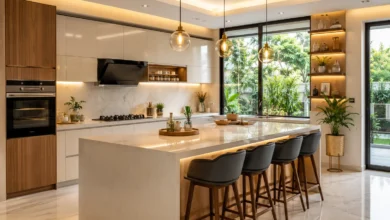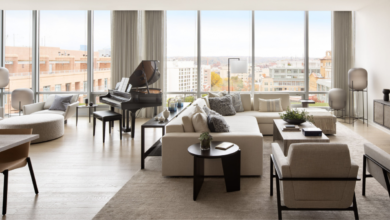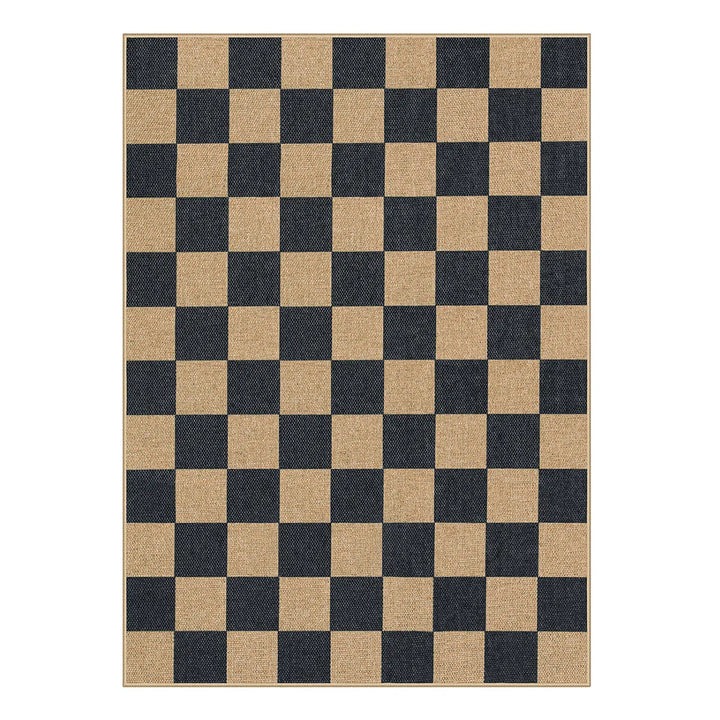
Few elements in home design carry as much visual and functional weight as an area rug. It anchors furniture, softens hard floors, absorbs sound, and sets the entire mood of a room — all at once. Yet for many homeowners and interior designers alike, finding a rug that looks stunning while standing up to daily pet activity feels like an impossible compromise. Muddy paws, persistent shedding, and the occasional accident can quickly turn a beautiful rug into a maintenance nightmare.
That’s where thoughtful selection makes all the difference. Among the most versatile options on the market, 9×12 rugs consistently prove their value in living spaces. Their generous dimensions suit a wide range of standard furniture arrangements, making them a reliable starting point for any room design. For interior designers sourcing options that satisfy both aesthetic clients and pet-owning households, understanding this size category — and what features to prioritize within it — is essential.
This guide walks through everything you need to make confident rug selections: why the 9×12 area rug dominates living room layouts, which styles align with different design themes, what truly makes a rug pet-friendly, and a clear step-by-step process for narrowing down your ideal choice.
Table of Contents
Why 9×12 Area Rugs Are a Staple for Living Rooms
Walk into almost any well-designed living room, and there’s a good chance a 9×12 area rug is doing the heavy lifting beneath the furniture. This size has become the default choice for good reason: it fits comfortably under standard sofa-and-chair arrangements while leaving enough floor visible to frame the space without overwhelming it. Most living rooms in the 12×15 to 14×18 foot range hit their proportional sweet spot with a 9×12 rug anchoring the seating area.
Beyond dimensions, the 9×12 area rug serves a layered set of functions that smaller rugs simply can’t replicate. It defines conversation zones in open-plan layouts, giving a large, undivided space a sense of intentional structure. Acoustically, the added surface area absorbs significantly more sound than a 5×8 or 6×9 alternative — a practical benefit in rooms with hard flooring and high ceilings. Underfoot warmth, both literal and visual, also scales with size, making the 9×12 a meaningful upgrade in rooms that feel cold or cavernous.


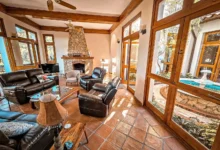
For interior designers, this size category offers a reliable foundation. Whether the project calls for a bold traditional pattern, a muted contemporary palette, or a layered bohemian look, living room rugs in the 9×12 format provide enough visual real estate to make a genuine design statement. It’s also a size that translates across client budgets and vendor catalogs, making sourcing straightforward. Starting with this footprint and building outward — selecting furniture scale, color story, and texture — gives any room design a grounded, cohesive starting point.
Exploring Rug Styles for Every Design Theme
A rug’s style does more than fill floor space — it communicates the entire design language of a room. For interior designers working across diverse client projects, understanding how different rug aesthetics interact with furniture, lighting, and architectural details is fundamental to making selections that feel intentional rather than incidental. The 9×12 format is particularly useful here because its scale gives patterns and textures room to breathe, allowing the rug’s design to fully express itself.
Traditional and Classic Rug Styles
Persian and Oriental-inspired rugs remain enduring choices for formal living rooms and heritage-influenced interiors. Their intricate medallion patterns, deep jewel tones, and layered borders create a sense of richness that pairs naturally with dark wood furniture, tufted upholstery, and symmetrical layouts. In a 9×12 format, these patterns have enough surface area to display their full compositional complexity. For clients who want timeless elegance without trend dependency, traditional rugs deliver consistent, long-lasting visual authority.
Modern and Contemporary Rug Styles
Contemporary rugs lean into restraint — clean geometric patterns, abstract forms, and palettes built around warm neutrals, cool grays, or deliberate monochromatic contrast. These qualities make them natural partners for open-plan living rooms where the rug needs to unify a space without competing with architectural features or statement furniture. Low-pile construction, common in modern rug designs, also keeps visual texture subtle, which suits minimalist interiors where every element earns its place through simplicity rather than ornamentation.
Bohemian and Eclectic Rug Styles
Bohemian rugs thrive on contrast — layered patterns, saturated colors, and mixed textile textures that resist any single design rule. For clients building personalized, creative spaces, a boldly patterned boho rug in a 9×12 size becomes the room’s focal point, inviting layering with kilim pillows, woven throws, and collected objects. The visual complexity also works practically: busy patterns are forgiving of minor stains and everyday wear, making them a surprisingly functional choice for high-traffic living areas. Brands like Lahome have built a broad catalog around exactly this intersection — offering pattern-rich designs in constructions engineered for everyday resilience.
Essential Features of Pet-Friendly Rugs
Owning pets doesn’t mean sacrificing a well-designed floor. It does mean being deliberate about what goes underfoot. The most visually compelling rug becomes a source of frustration the moment it traps pet hair, absorbs odors, or falls apart under repeated cleaning. For interior designers specifying pet-friendly rugs, the conversation needs to move beyond aesthetics early — material composition and construction quality determine whether a rug serves a household for years or becomes a costly replacement within months.
Durable Materials for Pet Households
Polypropylene stands out as the most practical synthetic option for pet households. It resists moisture, repels stains naturally, and holds up against the abrasive friction of claws without pilling or snagging. It’s also hypoallergenic, which matters in homes where pet dander already contributes to air quality concerns. Wool offers a natural alternative with inherent resilience — its fiber structure bounces back under pressure, making it resistant to crushing in high-traffic zones. However, wool requires more careful cleaning and can absorb liquid more readily than synthetics. Nylon sits between the two, offering strong abrasion resistance and better stain performance than wool, though it costs more than polypropylene. For most pet-owning clients, a polypropylene or nylon rug in a low-to-medium pile delivers the best balance of durability and maintainability.
Easy Maintenance and Cleaning Strategies
Material choice only goes so far — daily habits determine long-term rug condition. Low-pile constructions, typically under half an inch, resist pet hair embedding and vacuum clean more efficiently than plush or shag alternatives. A weekly vacuuming routine using a brush-roll setting removes surface debris before it works deeper into the fibers. For accidents, acting immediately is non-negotiable: blot liquid upward rather than rubbing it in, then treat with a diluted enzyme-based cleaner that neutralizes organic compounds rather than simply masking odor. Flat-woven and machine-washable rugs offer the most straightforward maintenance path, allowing periodic full washes that restore freshness without professional cleaning costs. Recommending rugs with stain-resistant factory treatments adds an additional layer of protection that clients will appreciate over time.
A Step-by-Step Guide to Selecting Your Ideal 9×12 Rug
Selecting the right rug becomes far less overwhelming when you approach it as a sequence of decisions rather than a single, high-stakes choice. Working through these steps in order prevents the common mistake of falling in love with a rug’s appearance before confirming it actually fits the room and the household’s lifestyle.
Step 1: Assess room layout and traffic patterns. Measure the space and identify where foot traffic concentrates — near entryways, between seating areas, or along pet routes from one room to another. High-traffic corridors demand more durable constructions; lower-traffic zones allow for more decorative options.
Step 2: Define your design style and color scheme. Anchor the rug choice to the room’s existing palette and furniture aesthetic. Decide whether the rug should serve as a statement piece or a neutral foundation, then filter options accordingly. A bold pattern in a quiet room creates energy; a muted rug in a layered space provides breathing room.
Step 3: Evaluate pet-specific needs. Identify which pet factors matter most — scratch resistance, odor control, washability, or hair release. A household with a large, active dog has different priorities than one with a single indoor cat. Let these requirements eliminate unsuitable materials before aesthetic filtering begins.
Step 4: Choose material and pile height. Cross-reference your pet requirements with your traffic assessment. For most pet households, low-to-medium pile polypropylene or nylon delivers the strongest combination of durability and easy cleaning.
Step 5: Test samples before committing. Order physical samples when possible. Assess texture underfoot, check how the color reads under the room’s actual lighting, and run a damp cloth across the surface to gauge stain response.
Step 6: Finalize based on budget and vendor reliability. Confirm return policies, warranty terms, and lead times. A rug that ships promptly from a vendor with clear quality guarantees protects both your investment and your client relationship.
Balancing Style and Function in Every Rug Decision
Choosing the right area rug is rarely a single decision — it’s a sequence of deliberate choices that balance visual impact with real-world demands. The 9×12 area rug earns its place as a living room staple because it delivers on both fronts: generous enough to anchor a full furniture arrangement, versatile enough to work across traditional, contemporary, and bohemian design themes. Its scale gives patterns room to fully express themselves while providing the acoustic and thermal benefits that smaller rugs simply can’t match.
For pet-owning households, the right material and construction make the difference between a rug that lasts and one that disappoints within a season. Prioritizing durable fibers like polypropylene or nylon, keeping pile height practical, and establishing consistent cleaning habits protects the investment without demanding excessive effort. The step-by-step selection process outlined here gives both homeowners and interior designers a clear framework — moving from room assessment and style definition through pet-specific requirements, material choice, and vendor evaluation before any final commitment is made.
Beautiful design and pet-friendly functionality are not competing goals. With the right approach, a 9×12 rug can serve as the room’s most hardworking element and its most compelling one — proof that thoughtful selection always outperforms impulse buying.