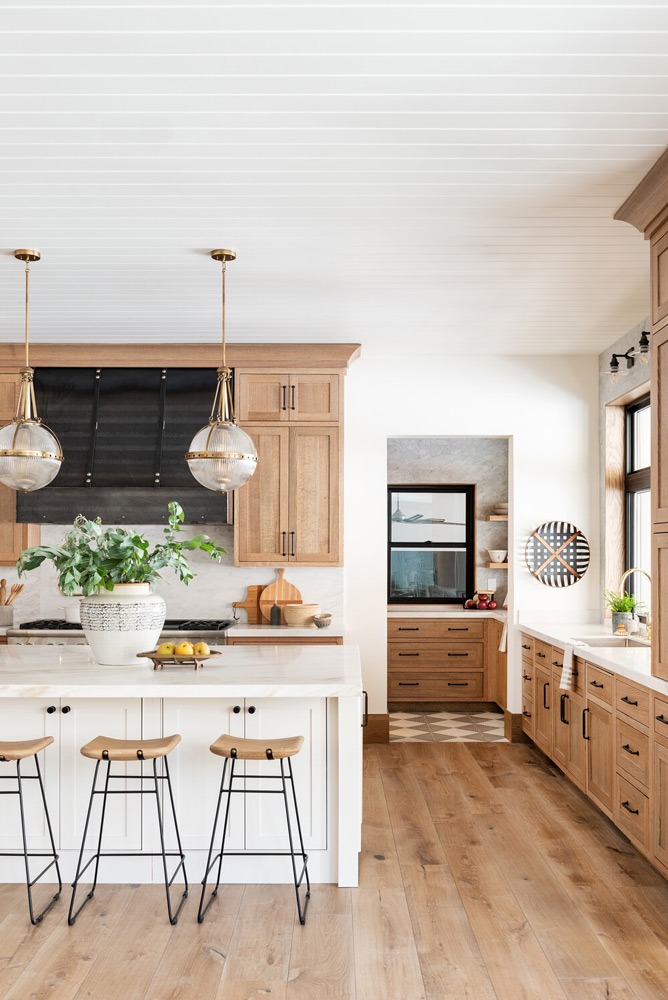
Butler’s pantries have made a remarkable comeback in modern kitchen design, evolving from a luxury feature into a highly sought-after functional space that homeowners increasingly demand. For contractors managing multiple renovation or new-build projects, this surge in popularity presents both an opportunity and a challenge. Sourcing high-quality cabinetry for butler’s pantries across several job sites can quickly become a time-consuming, fragmented process that eats into margins and delays timelines. Between coordinating with multiple suppliers, managing inconsistent quality, and navigating unpredictable lead times, procurement often becomes the bottleneck that stalls otherwise well-planned projects.
This article offers contractors a practical roadmap for leveraging bulk cabinet deals to transform their sourcing workflow. By tapping into direct relationships with cabinet factories and taking advantage of automated manufacturing capabilities, you can secure competitive pricing, maintain consistent quality across projects, and build a reliable supply chain that scales with your business. Whether you’re outfitting a single luxury home or managing a multi-unit development, the strategies ahead will help you source smarter, save more, and deliver better results.
Table of Contents
The Rise of Butler’s Pantries in Modern Kitchen Design
Once a hallmark of grand Victorian estates, the butler’s pantry has undergone a dramatic transformation. Today’s homeowners view it less as a formal serving station and more as a versatile hub for storage, meal prep, and entertaining support. Real estate data consistently shows that homes featuring a well-designed butler’s pantry command higher resale values, making them a smart investment that clients are eager to approve. Open-concept kitchens, while visually appealing, often lack hidden storage—and that’s exactly where the butler’s pantry fills the gap, keeping countertops clean and appliances tucked away.
For contractors, this shift has a direct impact on project scope. Butler’s pantries require specialized cabinetry that balances deep storage capacity with refined aesthetics, often incorporating features like glass-front uppers, wine racks, and pull-out shelving. When you’re handling multiple builds or renovations simultaneously, the demand for this type of cabinetry compounds fast. Sourcing individual cabinet sets project by project is neither practical nor cost-effective. This is precisely where bulk sourcing becomes a strategic advantage—allowing contractors to meet rising client expectations while keeping procurement efficient and margins healthy across every job on the schedule.
Why Bulk Cabinet Deals Are Essential for Contractors
When you’re juggling multiple butler’s pantry installations across different projects, purchasing cabinets one job at a time is a fast track to shrinking margins and logistical headaches. Bulk cabinet deals fundamentally change the economics of procurement by consolidating your buying power into larger, more strategically timed orders. The most immediate benefit is cost savings—cabinet factories typically offer significant per-unit discounts when order volumes increase, because larger runs allow them to optimize material usage, reduce setup times, and minimize shipping costs per piece. Those savings flow directly to your bottom line or give you room to sharpen your bids on competitive projects.




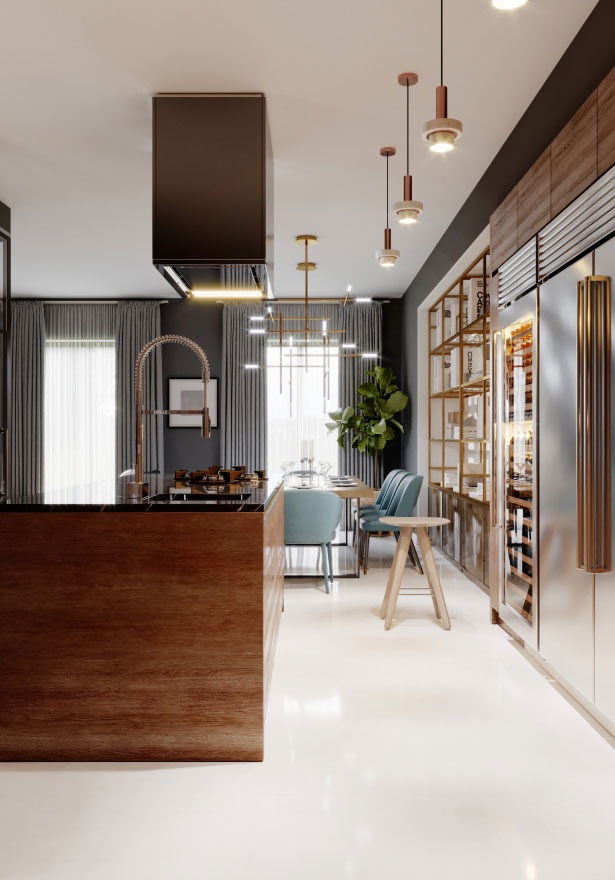
Beyond pricing, bulk purchasing solves a consistency problem that plagues contractors who source from multiple vendors. When every butler’s pantry across your active projects uses cabinetry from the same production run, you eliminate the subtle variations in finish, color, and hardware alignment that can surface when mixing suppliers. Clients notice these details, and consistent quality protects your reputation. Bulk deals also compress your procurement timeline considerably. Instead of repeating the quote-approve-order cycle for each project, you negotiate once, lock in terms, and schedule deliveries against your project calendar. This predictability lets you plan labor more accurately and avoid the costly downtime that comes with waiting on delayed shipments.
Perhaps most importantly, committing to bulk volumes positions you to build genuine partnerships with cabinet factories rather than remaining a transactional buyer. Factories prioritize reliable, high-volume clients when production schedules tighten, which means your orders move to the front of the queue during peak seasons. Over time, these relationships unlock additional advantages—priority access to new product lines, flexible payment terms, and dedicated account support that can troubleshoot issues before they derail a project. For contractors serious about scaling their renovation business, bulk cabinet deals aren’t just a purchasing tactic; they’re a foundational strategy for long-term profitability and operational resilience.
Navigating Cabinet Factories and Automated Manufacturing
Selecting the right cabinet factory is arguably the most consequential decision in your bulk sourcing strategy. Not all manufacturers are equipped to handle the volume, customization, and quality standards that butler’s pantry cabinetry demands. The landscape ranges from small regional shops to large-scale operations running fully automated production lines, and understanding where a factory falls on that spectrum directly affects your project outcomes. Contractors who invest time in vetting their manufacturing partners upfront avoid the costly surprises—warped panels, mismatched finishes, missed delivery windows—that derail installations and damage client relationships. The key is to look beyond price sheets and evaluate the entire production ecosystem, from raw material intake through final quality inspection.
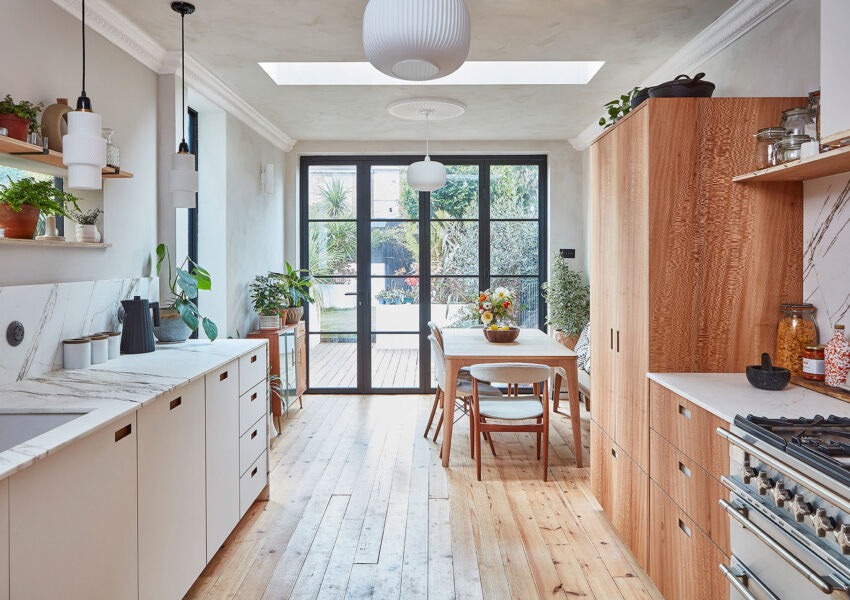
Automated cabinet manufacturing has emerged as a game-changer in this space, and factories that have embraced it offer distinct advantages for bulk buyers. Computer-controlled cutting, drilling, and edge-banding systems produce components with tolerances measured in fractions of a millimeter, which translates to cabinets that fit together precisely on site with minimal adjustment. For contractors ordering dozens or hundreds of units across multiple butler’s pantry projects, this level of precision eliminates the field modifications that slow down installation crews and inflate labor costs. Automation also enables factories to scale production without proportionally increasing lead times, meaning your bulk order doesn’t get stuck behind a backlog of smaller jobs.
Benefits of Automated Cabinet Manufacturing for Bulk Orders
Automation delivers three critical advantages for large-scale procurement. First, it ensures every cabinet in a production run meets identical specifications—door alignment, drawer spacing, and finish application remain uniform whether you’re receiving the first unit or the fiftieth. Second, automated lines dramatically accelerate throughput; what might take a manual shop several weeks can often be completed in days, keeping your project timelines tight. Third, modern CNC systems accommodate customization without the traditional cost penalty, so you can offer clients tailored configurations like integrated wine storage or pull-out spice racks without renegotiating pricing on every variation. Reduced material waste is another tangible benefit, as optimized cutting patterns minimize offcuts and keep per-unit costs predictable across the entire order.
How to Evaluate and Select Cabinet Factories
Start by assessing production capacity relative to your anticipated order volumes. A factory that comfortably handles your current needs but has room to scale alongside your business is far more valuable than one already operating at maximum output. Request a detailed overview of their equipment—factories running modern CNC routers, automated spray booths, and computerized inventory systems are better positioned to deliver consistent bulk orders on schedule. Material sourcing matters equally; ask where they procure plywood, hardwoods, and hardware, and whether they maintain relationships with multiple suppliers to avoid single-source disruptions.
Beyond the technical evaluation, dig into their track record with contractor clients specifically. Request references from builders who have placed comparable bulk orders, and ask pointed questions about on-time delivery rates, defect percentages, and how the factory handled problems when they arose. If geography allows, visit the facility in person—a walk through the production floor reveals more about quality control culture than any sales presentation. Check for relevant certifications such as KCMA (Kitchen Cabinet Manufacturers Association) compliance, which signals adherence to rigorous durability and construction standards. Finally, evaluate their communication infrastructure. A factory with a dedicated account manager, real-time order tracking, and responsive customer service will save you countless hours of follow-up and keep your projects moving without interruption.
Integrating Butler’s Pantries into Kitchen Renovation and Styles
Butler’s pantry cabinetry doesn’t exist in isolation—it needs to feel like a natural extension of the main kitchen, which means your bulk sourcing decisions must account for the broader design context of each project. When you’re ordering cabinets in volume across multiple renovations, the challenge is balancing efficiency with the flexibility to serve different aesthetic directions. The good news is that most cabinet factories producing for bulk buyers offer modular configurations and finish options that can be mixed within a single order, allowing you to cover a range of project styles without sacrificing the cost advantages of consolidated purchasing. The key is understanding which design elements need to carry through from kitchen to pantry and which can diverge without breaking visual continuity.
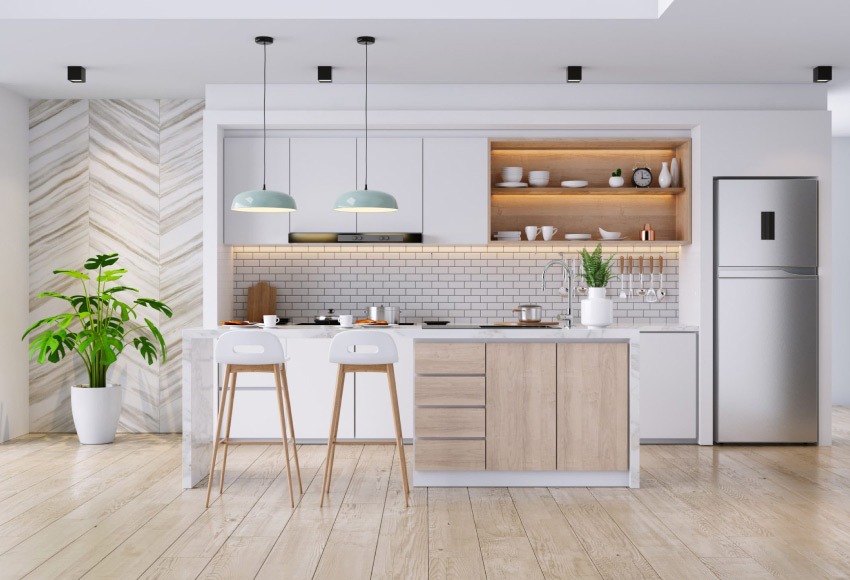
Successful integration also depends on how well the pantry’s cabinetry relates to adjacent spaces in terms of proportion, hardware, and material palette. A butler’s pantry visible through an open doorway demands tighter coordination with the main kitchen than one tucked behind a closed passage. Contractors who think through these relationships during the ordering phase—rather than improvising during installation—avoid costly change orders and keep projects on track. Bulk deals actually make this easier, not harder, because ordering from a single factory ensures that door profiles, finish batches, and hardware selections remain available and consistent across your entire project roster.
Matching Kitchen Styles with Butler’s Pantry Design
Modern kitchens with flat-panel doors and minimal hardware pair best with butler’s pantry cabinets that echo those clean lines—think slab fronts in matching or complementary tones with integrated pulls. Traditional and transitional kitchens call for raised-panel or shaker-style doors, often in painted finishes that coordinate with the main space while allowing the pantry to feel slightly more utilitarian. Farmhouse-style projects open the door to open shelving mixed with closed cabinetry, often featuring beadboard panels or glass-front uppers that add character. When placing bulk orders, group projects by style family so you can consolidate door profiles and finish selections into larger production runs, which drives better pricing and reduces lead time variability. The goal is always aesthetic consistency between the kitchen and pantry—clients should feel they’re moving through one cohesive design, not stepping into a disconnected storage room.
Renovation Tips for Seamless Butler’s Pantry Integration
Start with precise spatial planning: measure ceiling heights, door swing clearances, and plumbing locations before finalizing cabinet configurations in your bulk order. Select materials and finishes that align with existing kitchen elements early in the design phase, then communicate exact specifications to your factory contact to lock them into the production schedule. Coordinate countertop, backsplash, and lighting selections alongside cabinetry to prevent mismatches that surface during installation. Bulk deals simplify this coordination because you’re working with a single point of contact who understands your standards across projects, reducing the back-and-forth that typically fragments renovation timelines.
Step-by-Step Guide to Securing Bulk Cabinet Deals
Turning bulk cabinet sourcing from an abstract strategy into a repeatable process starts with clearly defining your project requirements. Audit your upcoming butler’s pantry projects collectively—document the total number of cabinet units, door styles, finish preferences, and any custom features clients have requested. With that consolidated picture, establish a realistic budget that accounts for shipping, potential overages, and storage if deliveries arrive before job sites are ready. Next, research and shortlist three to five cabinet factories that align with your volume needs and quality standards, prioritizing manufacturers with proven bulk order capabilities and automated production lines. Home supply platforms like GeorgeBuild can be a useful starting point for identifying qualified manufacturers and comparing cabinetry options across multiple product lines. Reach out to each with a detailed request for quote that specifies quantities, configurations, and delivery timelines so you can compare proposals on equal terms. Negotiate beyond unit pricing—push for favorable payment schedules, freight cost sharing, and warranty protections that reduce your risk exposure. Before committing to a full order, request physical samples of the exact door profiles, finishes, and hardware you plan to use, then inspect them against your project specifications under real-world lighting conditions. Once you’ve verified quality and finalized terms, place your order with a staggered delivery schedule tied to your project calendar so materials arrive when crews are ready to install, not weeks before. Assign a single point person on your team to manage factory communication, track shipment status, and flag any discrepancies immediately upon receiving each delivery.
Turn Bulk Sourcing into a Competitive Advantage for Every Project
The resurgence of butler’s pantries in modern kitchen design has created a sustained demand that contractors can either struggle to keep up with or strategically capitalize on. As we’ve explored, bulk cabinet deals offer a clear path to the latter—delivering meaningful cost savings, eliminating quality inconsistencies across projects, and compressing procurement timelines that would otherwise fragment your workflow. Partnering with the right cabinet factory, particularly one leveraging automated manufacturing, ensures that every unit you receive meets precise specifications while allowing the customization clients expect without inflating your budget.
The steps outlined in this guide—from auditing your project pipeline and vetting manufacturers to negotiating terms and managing staggered deliveries—form a repeatable system that strengthens with each order cycle. As your volume grows, so does your leverage, unlocking better pricing, priority production scheduling, and supplier relationships that become genuine competitive advantages. The contractors who thrive in today’s renovation market aren’t just skilled builders; they’re strategic buyers who treat procurement as a profit center rather than an afterthought. Start consolidating your next round of butler’s pantry projects into a single bulk order, reach out to qualified cabinet factories, and put these strategies to work. Your margins, your timelines, and your clients will all benefit from the shift.