Picture yourself stuck in rush-hour traffic, circling endlessly for a parking spot, or standing cramped on an overcrowded bus. Urban commuting drains time, money, and patience. Enter foldable ebikes—a transformative solution that collapses these frustrations into a compact package. These innovative vehicles combine the speed and efficiency of electric power with the portability that city dwellers desperately need. Whether you’re navigating congested streets or hopping between transit modes, foldable ebikes offer an affordable escape from traditional commuting headaches. This article explores how these remarkable machines are reshaping urban mobility. We’ll examine the compelling benefits that make them game-changers, dissect the essential features that define quality budget models, and provide a practical guide to selecting the perfect bike for your lifestyle. You’ll discover maintenance tips to maximize your investment and understand how this choice contributes to a more sustainable future. By the end, you’ll see why foldable ebikes represent more than just transportation—they’re a gateway to reclaiming your commute.
Table of Contents
Why Foldable Ebikes Are Revolutionizing Urban Commuting
Urban commuting has undergone a dramatic transformation as cities grapple with congestion, pollution, and the rising costs of traditional transportation. Foldable ebikes have emerged as a compelling response to these mounting challenges, combining cutting-edge technology with practical design. The electric bike market has experienced explosive growth over the past decade, driven by commuters seeking alternatives to cars, buses, and trains that consume time and drain wallets.

The advantages of foldable ebikes extend far beyond simple convenience. Time-saving becomes immediately apparent when you bypass traffic jams entirely, arriving at your destination faster than any car stuck on gridlocked streets. Financially, these bikes eliminate fuel costs, parking fees, and expensive public transit passes, with many commuters recovering their investment within months. Beyond personal benefits, riding an ebike provides gentle cardiovascular exercise, transforming your commute into an opportunity for physical activity rather than a sedentary ordeal.
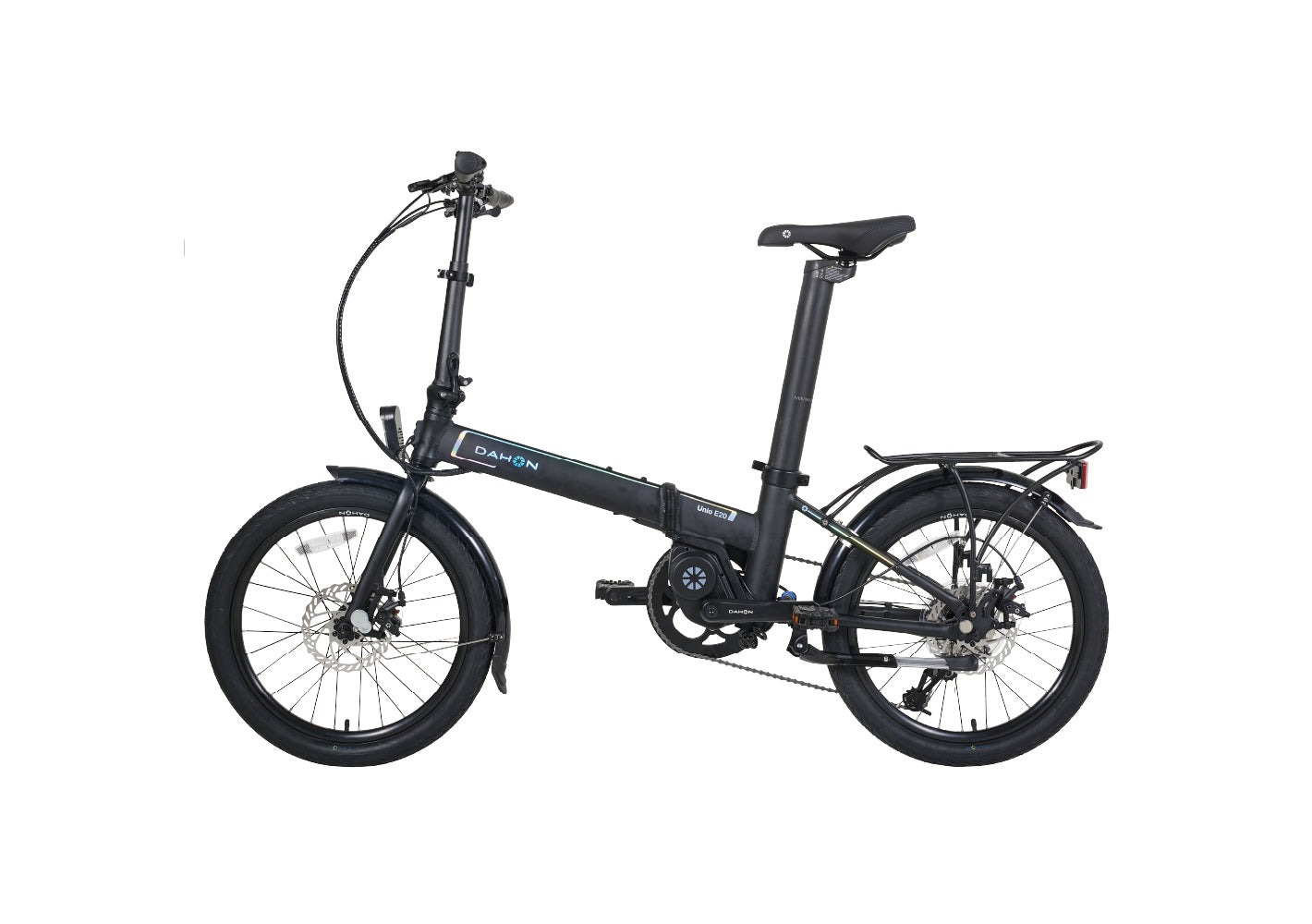
What truly sets foldable ebikes apart is their revolutionary portability. Traditional bikes require dedicated storage space and limit your flexibility—you’re committed to cycling the entire journey. Foldable models collapse into compact packages, enabling seamless multi-modal commuting. Ride to the train station, fold your bike, and carry it aboard without occupying valuable space. Combine this with electric assistance that conquers hills and headwinds, and you’ve created a solution that addresses urban mobility’s core frustrations. The folding mechanism transforms how people think about commuting, making electric bikes accessible to apartment dwellers and those using mixed transportation methods. Brands like DAHON Bicycles have pioneered sophisticated folding designs that maximize portability without compromising stability or durability. This innovation represents more than incremental improvement; it’s a fundamental shift in how cities can move people efficiently, affordably, and sustainably.
Essential Features of Affordable Foldable Ebikes
When shopping for an affordable foldable ebike, understanding the core components that deliver value ensures you invest wisely. The motor represents the heart of your electric bike, typically ranging from 250W to 750W in budget-friendly models. A 500W motor strikes an excellent balance, providing sufficient assistance for urban hills and headwinds without excessive power consumption. Battery capacity, measured in watt-hours, determines your range—aim for at least 400Wh to cover most daily commutes on a single charge. Lithium-ion batteries offer the best performance-to-cost ratio, though they require proper charging habits to maintain longevity.


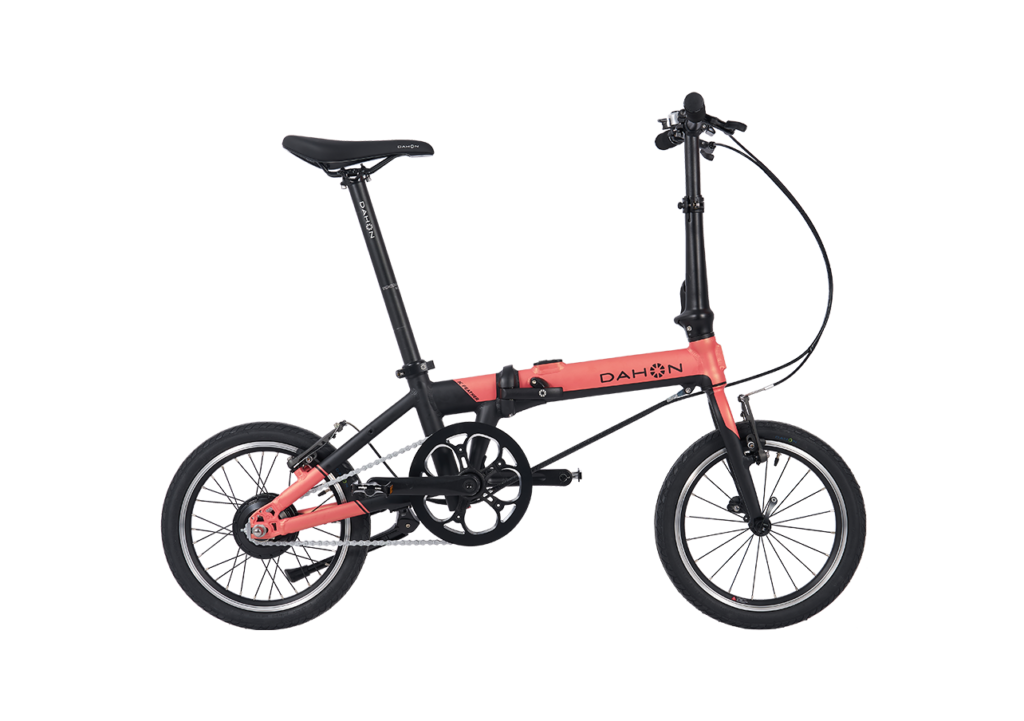
Frame materials significantly impact both weight and durability. Aluminum frames dominate affordable models because they’re lightweight, rust-resistant, and cost-effective compared to carbon fiber alternatives. The folding mechanism itself deserves careful attention; quality models feature sturdy hinges and latches that withstand repeated folding without wobbling or degrading. Weight capacity typically ranges from 220 to 330 pounds—verify this matches your needs plus any cargo you’ll carry. Braking systems are critical safety features; hydraulic disc brakes outperform rim brakes in wet conditions and require less maintenance, making them ideal for urban environments.
Portability extends beyond the folding mechanism itself. Folded dimensions should fit comfortably in apartment closets, car trunks, or under desks. Overall weight matters when carrying your bike on trains or stairs; anything under 50 pounds remains manageable for most commuters. Tire size influences ride comfort and speed—larger tires (20 inches) offer better stability, while smaller tires (16-18 inches) enhance portability. Finally, integrated features like lights, fenders, and cargo racks add practical value without inflating costs, transforming your affordable ebike into a complete commuting solution rather than a bare-bones vehicle.
Step-by-Step Guide to Choosing Your Affordable Foldable Ebike
Step 1: Assess Your Commuting Needs and Budget
Begin by honestly evaluating your daily commuting requirements. Measure the distance you’ll travel regularly—most urban commutes fall between 5 and 15 miles, which helps determine the battery capacity you’ll need. Consider the terrain you’ll encounter: flat city streets demand less motor power than hilly neighborhoods. Examine your storage situation realistically; if you live in a small apartment, prioritize models that fold into genuinely compact dimensions. Set a realistic budget before exploring options, as this focuses your search and prevents overspending on unnecessary features. Factor in maintenance costs and potential replacement parts when establishing your financial ceiling. Think about seasonal riding patterns and weather conditions in your area, as these influence battery performance and component durability.
Step 2: Research and Compare Models
Leverage online reviews from verified purchasers who share honest experiences about real-world performance and reliability. Visit manufacturer websites to understand warranty coverage, customer support responsiveness, and available financing options that might make affordability more accessible. Create a comparison spreadsheet tracking key specifications across models you’re considering: motor wattage, battery capacity, weight, folded dimensions, and included accessories. Read both positive and negative reviews to identify common issues and strengths. Check whether brands offer trial periods or return policies that reduce purchase risk. Compare prices across multiple retailers, as discounts and bundle deals frequently vary. Look for certifications or safety standards that indicate quality assurance, and prioritize brands with established customer service records rather than unknown manufacturers offering suspiciously low prices.
Step 3: Evaluate Portability and Folding Ease
If possible, test the folding mechanism in person before purchasing, as some designs prove intuitive while others require frustrating maneuvering. Measure your folded bike’s dimensions against your actual storage space—a bike that theoretically fits might prove impractical in reality. Lift the folded bike to assess weight; carrying it repeatedly throughout your commute should feel manageable rather than exhausting. Check whether the folding process creates any pinch points or requires excessive force, as these issues compound over months of daily use. Verify that the bike remains stable when folded, without wobbling or requiring additional support. Consider whether you’ll need to fold and unfold multiple times daily, as this influences how quickly the mechanism should operate. Test the locking mechanisms to ensure they hold securely without rattling during transport.
Step 4: Make an Informed Purchase Decision
Decide between online retailers offering competitive pricing and local shops providing hands-on support and faster service. Online purchases typically offer better prices but require shipping time, while local shops enable immediate possession and easier returns. Look for seasonal sales, promotional codes, or bundle deals that reduce overall costs without compromising quality. Check return policies carefully—reputable sellers offer at least 30-day windows allowing you to test your bike in real commuting conditions. Consider financing options if available, as spreading payments across months makes premium features more affordable. Verify that your purchase includes essential accessories like a charger, basic tools, and safety equipment. Read the warranty terms thoroughly, understanding what components are covered and for how long. Make your final decision based on the complete value package rather than price alone, recognizing that slightly higher upfront investment often yields better long-term reliability and satisfaction.
Maximizing Convenience: Tips for Urban Use and Maintenance
Owning a foldable ebike is just the beginning; maximizing its potential requires understanding daily best practices and maintenance routines. When folding and unfolding your bike, develop a consistent technique to avoid straining hinges or misaligning components. Always fold on a clean, flat surface away from traffic, and ensure the mechanism fully locks before transport. Store your bike in a dry location to prevent rust and battery degradation, particularly during winter months when moisture and salt accumulate on city streets.
Battery care directly impacts your ebike’s lifespan and performance. Charge your battery regularly rather than allowing it to fully deplete, as lithium-ion cells degrade faster when repeatedly drained to zero. Keep the battery between 20 and 80 percent charge for optimal longevity, and avoid exposing it to extreme temperatures during storage. Clean your bike monthly using a damp cloth, paying special attention to the motor, battery connections, and chain. A well-maintained drivetrain reduces wear on expensive components and ensures smooth, efficient pedaling assistance.
Urban riding demands heightened safety awareness. Always wear a helmet regardless of distance, use front and rear lights even during daylight hours to increase visibility, and follow local traffic laws treating your ebike as a vehicle. Check tire pressure weekly, as underinflated tires reduce efficiency and increase puncture risk on city streets filled with debris. Inspect brakes before each ride, ensuring responsive stopping power in emergency situations. Keep your bike secured with a sturdy U-lock when parked, protecting your investment from theft. These maintenance habits transform your foldable ebike into a reliable commuting partner that serves you faithfully for years while maximizing the convenience and portability advantages that made you choose it initially.
The Bigger Picture: Foldable Ebikes and Sustainable Transportation
Foldable ebikes represent far more than personal convenience—they’re catalysts for meaningful environmental and social change in urban landscapes. By choosing electric bikes over gas-powered vehicles, commuters directly reduce their carbon footprint, with each mile traveled eliminating emissions that contribute to climate change and air pollution. A single commuter switching from driving to ebike riding prevents approximately one ton of CO2 emissions annually, a cumulative impact that transforms cities when multiplied across thousands of riders.
The broader sustainability benefits extend throughout urban ecosystems. Reduced car traffic decreases congestion, allowing remaining vehicles to move more efficiently and burn less fuel. Cities experience improved air quality as fewer exhaust fumes contaminate streets where children play and pedestrians walk. Infrastructure pressure diminishes too—fewer vehicles mean less demand for expansive parking lots and road expansions that consume valuable urban land. Foldable ebikes enable multi-modal transportation networks, where people combine cycling with public transit, creating integrated systems far more efficient than individual car ownership. This shift promotes healthier lifestyles as commuters incorporate daily physical activity into routines previously dominated by sitting in traffic or on buses.
Future trends indicate accelerating adoption of eco-friendly mobility solutions. Cities worldwide are investing in cycling infrastructure, expanding bike lanes, and implementing policies that discourage single-occupancy vehicles. Battery technology continues improving, making ebikes more affordable and capable while reducing manufacturing environmental costs. As communities embrace sustainable transportation, foldable ebikes position early adopters as pioneers in a transportation revolution that prioritizes people, planet, and practical mobility over outdated car-dependent systems.
Transform Your Commute with Foldable Ebikes
Foldable ebikes represent a transformative solution for urban commuters seeking to escape the endless cycle of traffic, parking frustrations, and mounting transportation costs. Throughout this article, we’ve explored how these innovative vehicles combine electric efficiency with portable design, creating a commuting experience that’s faster, more affordable, and genuinely enjoyable. The key benefits—time savings that reclaim hours from your week, financial advantages that eliminate fuel and parking expenses, and the convenience of seamless multi-modal transportation—make foldable ebikes compelling alternatives to traditional commuting methods.
By understanding essential features like motor power, battery capacity, and folding mechanisms, you’re equipped to identify models that deliver genuine value rather than false economy. The step-by-step selection guide provides a roadmap for making informed decisions aligned with your specific needs and budget constraints. Proper maintenance and smart urban riding practices ensure your investment remains reliable and safe for years. Beyond personal benefits, choosing a foldable ebike contributes to sustainable cities with cleaner air, reduced congestion, and healthier communities. The time to explore this transportation revolution is now. Start by assessing your commuting needs, researching affordable models that match your requirements, and taking that first test ride. Your easier, more sustainable commute awaits—one folded ebike at a time.