Rochester, NY sits in a region where winters arrive early, stay long, and leave behind the kind of damage that outdoor storage simply cannot prevent. For RV owners in Monroe County and the surrounding area, the question of where to store a recreational vehicle between seasons is not an abstract one. It has direct financial consequences, affects vehicle condition, and shapes how ready the RV actually is when warmer months return.
Storage costs in the Rochester market have shifted over the past few years, driven by increases in demand, changes in available facility inventory, and the growing variety of storage configurations now offered to owners. What an owner pays in 2025 depends on more than just square footage. It depends on access requirements, climate sensitivity, security expectations, and how long the vehicle will sit unused. Understanding the structure of those costs before committing to a facility makes it easier to compare options on equal terms.
Table of Contents
What RV Storage Actually Costs in the Rochester Market
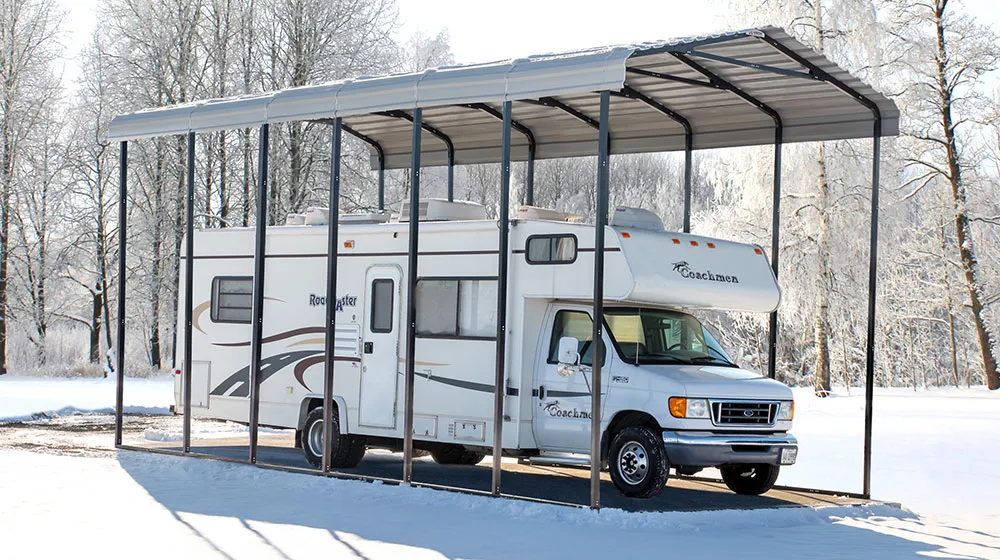
Storage pricing in Rochester varies considerably based on the type of space offered and the level of infrastructure surrounding it. Outdoor lot storage, which places the RV on a gravel or paved surface with basic fencing and sometimes minimal lighting, sits at the lower end of the price range. Covered storage, where a roof or canopy provides protection from snow and ice accumulation without enclosing the vehicle fully, occupies the middle tier. Fully enclosed indoor storage, whether in a shared warehouse-style unit or a private climate-controlled bay, carries the highest monthly cost but also the greatest protection against Rochester’s seasonal extremes.
Those considering rv storage rochester options can find detailed seasonal and annual pricing data that reflects current local market conditions at rv storage rochester, which breaks down costs by storage type and access tier for the 2025 season.
The gap between the cheapest outdoor lot and a climate-controlled enclosed unit is not trivial. Owners who make the decision based purely on lowest monthly cost sometimes find that the savings are offset by repair bills, deteriorating seals, or battery and mechanical issues that result from prolonged cold exposure without protection. The price difference between tiers is best evaluated alongside what each tier actually prevents.



Outdoor Lot Storage and Its True Cost Position
Outdoor storage is accessible and widely available around Rochester, but it comes with trade-offs that affect long-term vehicle condition. An RV parked in an open lot from November through April is exposed to freeze-thaw cycles that stress roof membranes, seals around windows and slide-outs, and the undercarriage. Snow load accumulation, if not actively managed, adds structural stress that compounds over a season.
The monthly cost for outdoor lot storage tends to be the most competitive option, but owners who choose it should factor in the cost of winterization services, protective covers, and any remediation work that becomes necessary in spring. In many cases, a mid-tier covered option ends up being more cost-effective on an annual basis when those peripheral costs are added in.
Covered and Enclosed Storage: Where the Value Equation Shifts
Covered storage provides a meaningful step up from open-lot exposure without the full cost of a private enclosed unit. A shared covered structure keeps precipitation off the roof and reduces the rate of UV and thermal degradation to exterior materials. It does not eliminate wind exposure or extreme cold, but it significantly reduces two of the most damaging seasonal variables.
Fully enclosed indoor storage removes weather as a variable almost entirely. Facilities that maintain a consistent interior temperature prevent the repeated contraction and expansion of materials that causes seals to fail prematurely. For owners with newer or higher-value RVs, the cost premium for enclosed storage often represents a reasonable form of asset protection rather than a discretionary upgrade.
How Access Policies Affect Pricing and Practicality
Storage facilities in Rochester are not all structured the same way, and access policies are one of the most consequential differences between them. Some facilities offer gate-code access during defined hours. Others provide around-the-clock access with keypad or app-based entry. A smaller number operate on appointment-only or staffed-hours-only access, which reduces overhead costs for the operator but can create friction for owners who need to retrieve or inspect their vehicle outside of standard windows.
The access model a facility uses affects both the price it charges and the practical utility it offers. An owner who stores a vehicle seasonally and only needs access twice — once to drop off and once to retrieve — may find limited-hours facilities entirely adequate. An owner who makes periodic trips to the RV for maintenance, loading, or short-season use needs a facility that accommodates that without scheduling appointments days in advance.
Security Infrastructure and Its Role in Pricing
Facilities with more robust security systems — perimeter fencing, monitored camera networks, individual unit alarms, and on-site personnel — typically charge more than those offering basic lot security. That cost difference reflects real infrastructure investment, and for owners storing vehicles with significant equipment, electronics, or personal property inside, the additional cost may be justified.
According to the FBI Uniform Crime Reports, vehicle theft and property crime rates vary by region and season, making facility security a legitimate consideration rather than a marketing feature. In a region like Rochester, where storage facilities may be located in suburban or semi-industrial areas with variable traffic patterns, understanding what security infrastructure is actually in place — not just described in a brochure — is worth asking about before signing a lease.
Contract Length and Payment Structure in Rochester Facilities
Most Rochester area storage facilities offer month-to-month agreements as well as seasonal or annual contracts. Month-to-month arrangements provide flexibility but typically carry a higher per-month rate. Seasonal contracts, often structured around the six-month winter period from late fall through early spring, offer a lower effective monthly rate in exchange for the commitment. Annual contracts, where available, typically offer the most favorable pricing but require the owner to plan well ahead and commit to a single facility for the full year.
For first-time users of rv storage rochester facilities, starting with a month-to-month or short seasonal contract makes sense even if it costs slightly more. It allows an owner to evaluate the facility’s actual access patterns, staff responsiveness, and site maintenance before locking in a longer commitment. Facilities that are well-run tend to retain customers; those with deferred maintenance or unresponsive management often reveal those issues within the first few months.
Understanding What Is and Is Not Included in the Quoted Rate
Facility pricing in Rochester is not always quoted on a fully inclusive basis. Some facilities charge a separate administrative or registration fee when an account is opened. Others charge for electricity access, which may be necessary for owners who want to maintain a trickle charge on their house batteries through the winter. Gate access fees, insurance requirements, and minimum contract lengths are other variables that affect the true cost of a storage arrangement.
Before comparing two facilities by monthly rate alone, it is worth asking for a complete list of fees associated with the contract period. A facility that quotes a lower base rate but charges separately for electricity, gate access, and a setup fee may end up costing more over a season than one with a higher headline rate and no add-ons.
Insurance Considerations That Affect Storage Decisions
RV owners in New York State are generally required to carry a minimum level of insurance coverage on their vehicle even when it is not in use or registered for road travel. Some storage facilities have their own insurance requirements — they may require a minimum liability coverage level or ask to be listed as an additional interested party on a policy. Failing to meet a facility’s insurance requirements can result in a lease being voided or a claim being denied in the event of a loss.
Owners who store their RV for extended periods sometimes adjust their coverage to a reduced-use or storage endorsement through their insurer, which can lower premiums during the off-season. This is worth discussing with an insurance provider before the vehicle goes into storage, since the type of facility — outdoor versus enclosed — can affect what coverage is appropriate and what premiums look like for rv storage rochester arrangements.
Evaluating a Storage Facility Before Committing
Price is the most visible comparison point when evaluating rv storage rochester options, but it is not the only one that determines whether a storage arrangement works well in practice. A facility’s drainage quality matters — lots that pool water during Rochester’s spring thaw create problems for vehicles parked in low-lying spots. Pavement condition affects whether an RV can be safely maneuvered in and out, particularly with a tow vehicle. Site lighting affects evening access. Staff responsiveness affects how quickly issues get addressed when they arise.
Visiting a facility in person, ideally during a period when other owners are present, provides information that a website or phone call cannot. The condition of other vehicles on the lot, the state of the fencing and gate hardware, and the overall tidiness of the facility are all reasonable indicators of how well it is managed.
Closing Perspective on RV Storage Costs in Rochester
Storage costs for RVs in Rochester in 2025 reflect a market that has matured considerably. Owners now have a broader range of options than they did even five years ago, and pricing has diversified accordingly. The decision between outdoor, covered, and enclosed storage is ultimately a risk management decision as much as it is a budget decision — each tier offers different levels of protection against the conditions Rochester winters reliably produce.
What makes a storage arrangement genuinely good value is not the lowest possible monthly rate. It is the combination of appropriate protection for the vehicle, reliable access when needed, transparent pricing with no unexpected fees, and a facility that is maintained consistently throughout the storage period. Owners who evaluate facilities on those terms, rather than on headline price alone, tend to arrive in spring with a vehicle that is ready to use — which is the practical point of good storage in the first place.