Do you own and manage an optometry practice? If so, you already know how important technology is to your business. Tech like AI-enhanced imaging, automated field tests, cloud-based CRMs, in-office dispensing kiosks, and myopia management devices are just a few examples of what many modern optometry practices are implementing to stay current with the times. One of the main goals of an optometrist is to monitor the health of their patients’ eyes and to do that, they need the right equipment. That’s where the fundus camera comes in.
Here is more information on what a fundus camera for optometry practice is and its many features and benefits.
What is a Fundus Camera?
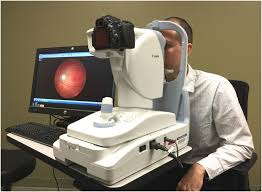
A fundus camera for optometry practice is a low-power microscope that has a built-in camera specially designed to capture high-res, detailed images of the interior surface of the eye–also called the fundus. This includes images of the eye’s retina, macula, and optic nerve so an optometrist can spot any changes that could be indicative of diseases such as macular degeneration, glaucoma, and diabetic retinopathy.
Feature and Benefits of a Fundus Camera
There are many different features and benefits of a fundus camera for optometry that make them useful for any practice. These include:
- The ability to produce high-quality images without discomfort. In the past, the only way to get good pictures of the surface of the eye was to dilate the pupils. This could lead to irritation and cause the patient to be light-sensitive for hours after their appointment. With a fundus camera for optometry practice, pupil dilation is no longer necessary so less discomfort is involved and appointments are more streamlined.
- Storage and management. Having the ability to conveniently provide storage for and retrieve images of a patient’s eye(s) is very important to the smooth running of a practice. A fundus camera for optometry practice seamlessly integrates with EHR (electronic health record) systems and lets the optometrist and staff store, retrieve, and compare images over time so they can easily spot changes.
- Patient education. Being able to easily show patients images of their eyes is a crucial part of educating them on eye health. A fundus camera for optometry practice provides clear, easy to understand images that helps motivate patients to follow treatment recommendations and get regular checkups.
- Additional revenue streams. A fundus camera for optometry practice not only enhances the patient experience, but it also benefits the business. It can create an additional revenue stream while elevating the practice above competitors who have not invested in modern technology.
- Portability and ease of use. Most people associate optometry practices with large, bulky equipment that is difficult to move or use. This is not true of a fundus camera for optometry practice. New models are compact and hand-held, making it simple for the team to perform imaging in different settings both in and outside their office.
Investing in a Fundus Camera for Optometry Practice
If you want to compete with other practices and offer your patients the highest in care, you need to consider investing in a fundus camera for optometry practice. With this new technology, you can enhance the patient experience and ensure your practice will continue to thrive for years to come.