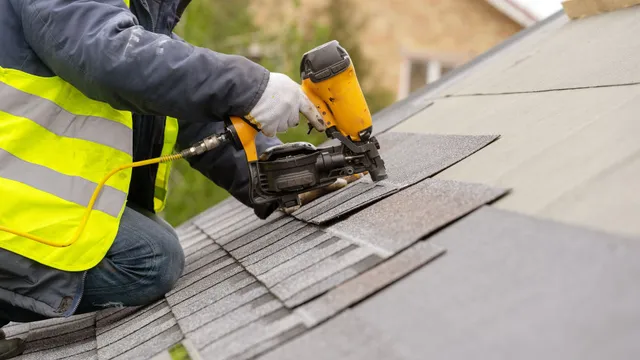
Homes in Akron face weather that can turn a weak roof detail into an expensive interior problem. Humid summers, wind-driven rain, heavy leaves, and icy winter edges all test asphalt shingles in different ways. A replacement succeeds when the crew respects those local pressures from the first inspection to the final cleanup.
A sharp installation plan looks beyond the color of the shingle bundle. Roofers study the slope, attic condition, gutter flow, valley lines, and vulnerable trim before the first piece is removed. That careful groundwork creates a finished roof that feels solid, looks refined, and performs through rough seasons. Now, read this discourse for better clarity.
Table of Contents
Roof Deck Review Comes First
Clean tear-off work reveals the truth beneath old shingles. For homeowners comparing estimates for a new roof replacement in Akron, this first stage deserves close attention because hidden rot, loose sheathing, or raised nail heads can ruin a fresh surface. Experienced crews mark weak panels, tighten decking, and remove leftover debris so the new layers sit evenly.
Ice Barrier and Underlayment Need Careful Placement
Winters demand more than a thin protective sheet under the shingles. Roofers in Akron place ice barrier along eaves, valleys, low-slope sections, and other moisture-prone areas to block water that can back up under snow and slush. Synthetic underlayment then adds a cleaner, stronger shield across the remaining deck.
Correct overlap matters as much as material quality. Each course must shed water downhill without wrinkles, gaps, or exposed seams. This hidden layer becomes the roof’s backup defense when storms push moisture beneath the shingle edges.
Layout Choices Shape Strength and Appearance
A clean shingle layout keeps the roof attractive and sturdy. Skilled installers plan courses before fastening begins so cut pieces do not crowd edges, valleys, or roof penetrations. Also:
- Chalk lines keep rows straight across long slopes.
- Staggered joints prevent weak vertical seams.
- Valley patterns direct runoff without trapping debris.
- Proper cut lines help asphalt shingles lie flat near walls and vents.
Good layout work reduces waste and improves curb appeal. It also keeps water moving in a predictable path, which matters during fast rainstorms.
The Flashing Details Protect High-Risk Areas in Akron
Leaks rarely begin in the middle of an open roof plane. Trouble usually starts near chimneys, dormers, skylights, plumbing stacks, and wall intersections where materials meet. Roofers use step flashing, counterflashing, pipe boots, and sealant details that match each transition.
Reused metal can look acceptable yet fail after the next freeze. Quality crews inspect every piece and replace bent, rusted, or poorly fitted flashing. That discipline helps the new roof system function as one sealed assembly.
Ventilation and Final Checks Complete the System
Ventilation keeps attic heat and moisture under control, which helps asphalt shingles last longer. Roofers balance intake and exhaust so trapped humidity does not damage wood or insulation. Know that:
- Ridge vents must match available soffit intake.
- Blocked baffles should be cleared for airflow.
- Exhaust fans need proper roof exits.
- Final inspections should include caps, gutters, nails, and flashing photos.
These details give homeowners better proof of workmanship. A new roof replacement in Akron carries stronger value when documentation, cleanup, and warranty guidance are handled with care.
Great asphalt shingle work depends on preparation, alignment, ventilation, and waterproof transitions. Homeowners in Akron benefit when crews treat every layer as part of one protective system. A precise installation can turn a roof replacement into long-term comfort, confidence, and home value.
-

-

-

-

-

-