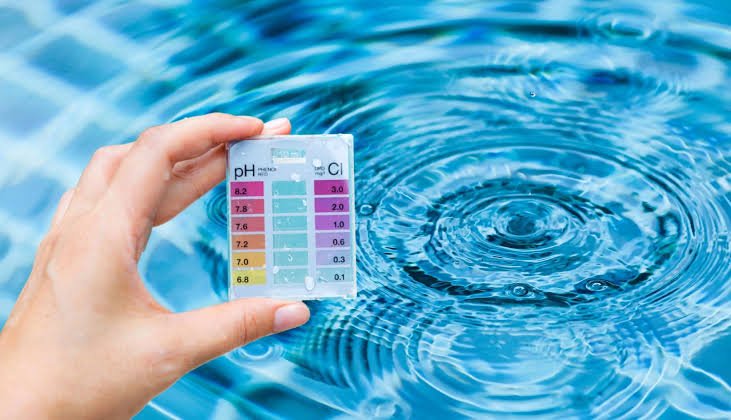
Municipal water systems across Texas have increasingly shifted from chlorine to chloramine as a disinfection method over the past two decades. This change was driven by regulatory requirements around disinfection byproducts, but it introduced a different set of challenges for building operators, facility managers, and water treatment professionals who rely on filtration equipment to perform consistently year after year.
Chloramine is chemically more stable than chlorine, which is precisely what makes it effective as a long-range disinfectant in distribution networks. However, that same stability makes it more aggressive toward certain elastomers, polymers, and carbon-based filter media. Equipment that performs reliably in chlorinated water can degrade noticeably faster when exposed to chloraminated water over time. For professionals responsible for maintaining filtration systems in Texas commercial, institutional, or residential settings, understanding how to select the right components is a practical necessity, not a theoretical concern.
This guide is written for those making procurement and specification decisions—people who need to understand why certain materials hold up under chloramine exposure, what failure patterns look like, and how to build a filtration system that remains reliable for the long term in Texas municipal water conditions.
Table of Contents
Why Chloramine Compatibility Matters More Than You Might Expect
Chloramine’s effect on filtration components is not always visible until damage is already significant. Unlike chlorine, which tends to cause surface degradation that’s easier to detect, chloramine can permeate certain polymers and elastomers at a molecular level, causing them to swell, crack, or lose structural integrity from the inside out. This process is slow, which is why operators sometimes assume a system is functioning correctly when it is actually experiencing gradual material breakdown.
For anyone sourcing a chloramine-resistant components filtration system texas professionals commonly install and maintain, understanding material compatibility upfront prevents premature failure cycles that are both costly and disruptive. The problems don’t always announce themselves through visible leaks or obvious performance drops. More often, they show up as increased maintenance intervals, unexplained pressure inconsistencies, or shortened component lifespans that don’t align with manufacturer expectations.
This distinction matters because Texas municipal water systems vary significantly in their chloramine concentrations depending on the source water blend, the treatment plant’s protocols, and seasonal demand fluctuations. A component selection strategy that works in one region of the state may not hold up the same way in another, making it important to treat chloramine resistance as a baseline requirement rather than a premium feature.
Understanding the Difference Between Chlorine and Chloramine Degradation
Chlorine is a strong oxidizer that tends to react quickly at material surfaces. Filtration components designed for chlorinated water are often built with that surface-level oxidation in mind, using materials that resist short-term chemical contact. Chloramine, by contrast, is a weaker oxidizer in any single moment but maintains its chemical activity over much longer contact times, which is exactly the condition that exists inside a pressurized filtration housing or along a distribution line.
The result is that standard elastomers—including many rubber compounds commonly used in O-rings, seals, and valve components—absorb chloramine over extended exposure periods. This absorption causes the material to swell initially, then harden and crack as chemical bonds within the compound break down. For a filtration system running continuously, this degradation can occur within months rather than years if the wrong materials are specified.
Filtration media is also affected. Activated carbon, commonly used for taste, odor, and chemical reduction, is particularly efficient at removing chloramine through a process of chemical reduction rather than simple adsorption. However, this efficiency means that carbon media in chloramine-heavy water is consumed faster, requiring more frequent replacement. Understanding this dynamic changes how maintenance schedules and total cost projections should be structured.
Material Selection: Where Most Procurement Decisions Go Wrong
The most common mistake in specifying filtration components for chloramine-heavy municipal water is defaulting to the same materials used in previous chlorine-based systems. Because both disinfectants are used in water treatment, there’s an assumption that components rated for one are acceptable for the other. In practice, that assumption leads to shortened component lifespans and recurring maintenance costs that could have been avoided at the specification stage.
Chloramine-resistant filtration components typically use materials that have been specifically tested for extended chemical exposure. Among elastomers, EPDM (ethylene propylene diene monomer) is widely recognized as one of the more stable options under chloramine conditions, compared to natural rubber or standard neoprene compounds that degrade more quickly. Polypropylene and certain grades of polyethylene tend to perform better for housing and structural components than PVC-based materials in long-duration applications.
Seals, O-Rings, and Gaskets: The Weak Points in Most Systems
Seals and gaskets represent the most frequent point of failure in filtration systems exposed to chloraminated water. They are also the components that receive the least attention during specification because they are small, inexpensive individually, and assumed to be interchangeable across disinfectant types. That assumption is where many system failures originate.
An O-ring or gasket that is not rated for chloramine exposure will begin to deteriorate at contact surfaces, leading to minor seeping that may not be noticed immediately. Over time, this seeping introduces bypass flow, which means water passes around the filtration media rather than through it. In a water quality or building water safety context, this is a significant issue because the system appears to be operational while its filtration effectiveness is substantially reduced.
Specifying chloramine-compatible seals from the outset requires reviewing material data sheets rather than relying solely on a manufacturer’s general product description. EPDM and certain silicone compounds are commonly cited in material compatibility documentation for chloramine service, but it is still advisable to confirm the specific formulation, since product lines within the same material category can vary in their actual resistance ratings.
Filtration Housing and Structural Components
Housing materials matter less acutely than seals in day-to-day operation, but they contribute to long-term system reliability in meaningful ways. Chloramine interacts differently with polymer housings than chlorine does, particularly in high-temperature applications or in systems where water sits stagnant for extended periods—a condition that occurs in point-of-use systems in low-traffic areas of commercial buildings.
Polypropylene housings are widely considered appropriate for chloramine service in standard temperature applications, while other plastics may experience surface stress or minor chemical interaction that accelerates wear. For systems operating in warmer conditions, which is a realistic consideration given Texas climate patterns, confirming the housing material’s rating at relevant operating temperatures adds an additional layer of reliability to the selection process.
Activated Carbon in Chloramine Systems: What Changes
Activated carbon filtration behaves differently in chloramine service than it does in standard chlorine removal applications, and this difference has direct implications for how a filtration system should be sized, maintained, and budgeted. According to the U.S. Environmental Protection Agency’s drinking water regulations, chloramine is an acceptable alternative disinfectant under certain treatment conditions, which has led to its widespread adoption by Texas utilities—and in turn, to broader filtration design considerations for downstream users.
Carbon reduces chloramine through a chemical reduction reaction, which is more energy-intensive at a molecular level than the simple adsorption process used for chlorine. This means carbon beds are depleted faster in chloramine service. A carbon filter sized for a chlorinated water application will typically need more frequent media replacement when used with chloraminated water, and in some cases, a larger carbon bed may be necessary to achieve adequate contact time for effective reduction.
Contact Time and Bed Depth Considerations
The effectiveness of carbon filtration in chloramine removal depends significantly on how long the water is in contact with the media. Shorter contact times, which occur when flow rates are high relative to bed volume, result in incomplete chloramine reduction. This is especially important in high-demand commercial applications where flow rates can fluctuate considerably throughout the day.
Designing a system with sufficient bed depth and appropriate flow rate management is therefore not just a performance consideration—it is a reliability consideration. A system that removes chloramine inconsistently due to undersized carbon beds creates variable water quality at the point of use, which can affect sensitive downstream equipment, processes, or end users depending on the application context.
Evaluating Suppliers and Product Documentation
Selecting the right materials and media is only as reliable as the quality of information available from suppliers. In a market where chloramine resistance is increasingly cited as a product feature, it is important to distinguish between general marketing language and specific, documented material performance data.
Reliable suppliers for a chloramine-resistant components filtration system in Texas should be able to provide material compatibility documentation for the specific chemicals and concentrations present in local municipal water. General claims of chemical resistance are less useful than data that reflects the actual conditions of chloramine service, including expected exposure concentrations, temperature ranges, and contact duration.
• Request material data sheets that specifically address chloramine exposure, not just general disinfectant resistance.
• Confirm whether published lifespans are based on chlorinated or chloraminated water conditions, as these differ meaningfully.
• Ask whether components have been tested or validated in municipal water conditions similar to those in Texas service areas.
• Verify that replacement parts, especially seals and media, are readily available and consistently stocked to support ongoing maintenance cycles.
• Determine whether the supplier has direct knowledge of how their components perform in Texas-specific water chemistry, including variations between surface water and groundwater blends used by different utilities.
Planning for Long-Term Maintenance in a Chloramine Environment
Even when a filtration system is correctly specified from the outset, chloramine service requires a maintenance approach that accounts for the distinct degradation patterns this disinfectant creates. This means adjusting replacement intervals, monitoring for early signs of seal degradation, and tracking carbon media performance more actively than would be necessary in chlorine-only water conditions.
Building a preventive maintenance schedule around chloramine-specific failure patterns—rather than adapting a schedule originally designed for chlorinated water—is one of the most practical steps operators can take to protect system performance. Many maintenance problems in chloramine-exposed systems stem not from poor component selection but from applying maintenance intervals calibrated for a different chemical environment.
Keeping records of component replacement dates, early failure observations, and any water quality changes noticed downstream of the filtration system creates a useful baseline for refining maintenance intervals over time. This kind of operational data, gathered over one to two service cycles, typically reveals patterns that general guidelines cannot anticipate for a specific building or application.
Conclusion
Chloramine has become a standard part of municipal water treatment in Texas, and its effects on filtration components are well-documented enough that there is no reason to treat them as unpredictable. The core challenge is not a lack of available information—it is that procurement and specification decisions are often made using assumptions inherited from chlorine-based systems that no longer apply.
Choosing a chloramine-resistant components filtration system in Texas starts with understanding how chloramine interacts differently with elastomers, housing materials, and carbon media, and then building that understanding into every layer of the specification process, from initial material selection through long-term maintenance planning. The result is a system that performs as intended not just in the first year of operation but across the full service life for which it was designed.
Professionals who take that approach tend to spend less time managing unexpected failures and more time operating systems that function predictably—which, in most operational contexts, is exactly what reliability looks like in practice.
-

-
-

-

-

-