Carbon for the Energy Transition: How Advanced Carbon Materials Are Supporting Next-Generation Batteries

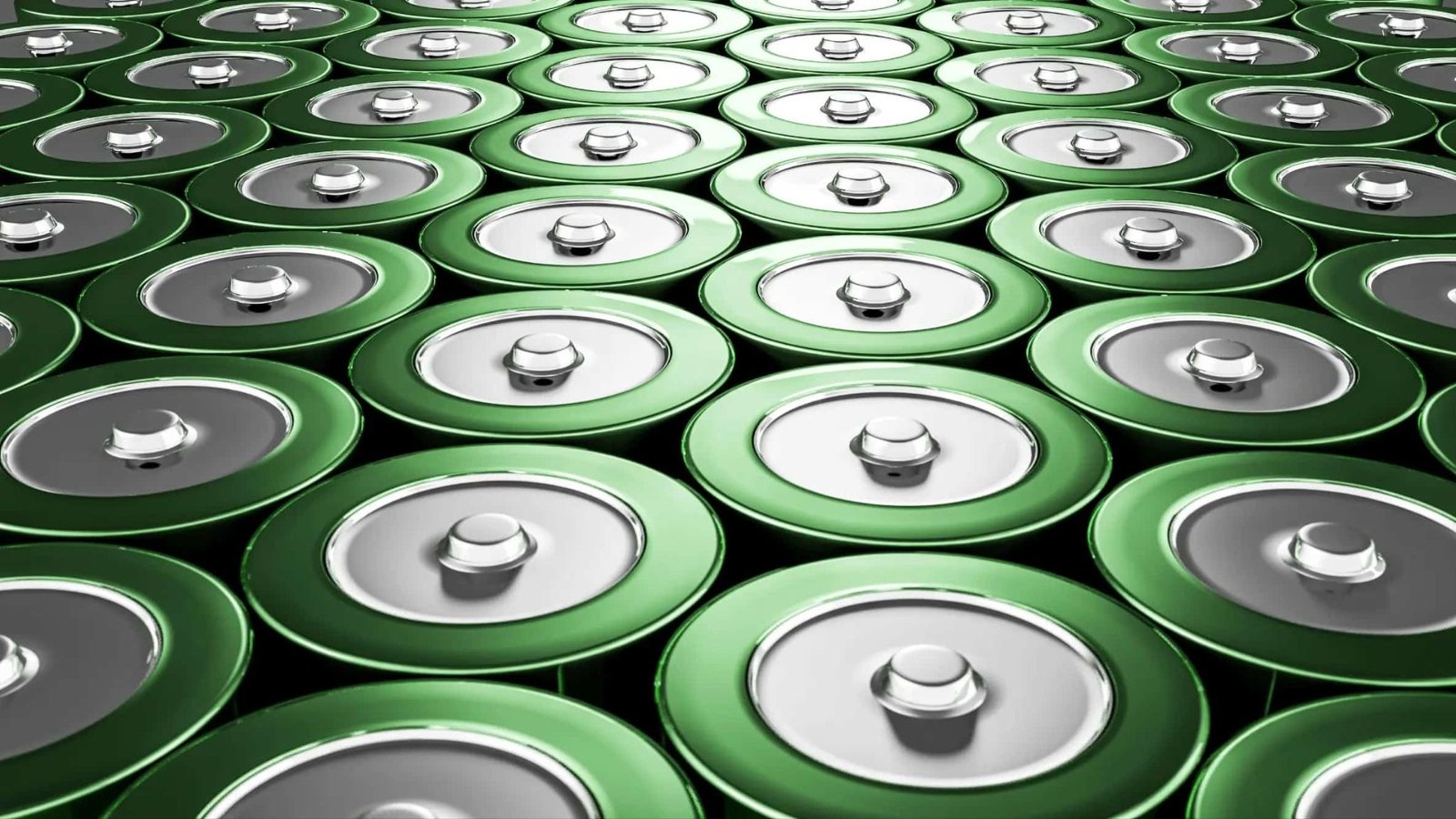
The global shift towards cleaner energy is creating a growing need for efficient energy storage solutions. From electric vehicles to renewable energy systems, batteries play an important role in making energy more accessible, reliable and sustainable. As battery technologies continue to evolve, advanced materials are becoming increasingly important in improving performance, durability and efficiency. Among these, carbon materials are gaining attention for their versatility and potential applications across the energy sector.
Advanced activated carbon for energy applications can contribute to the development of modern energy storage technologies, including systems designed to support renewable power and changing energy demands. With their distinctive material properties and adaptability, carbon-based solutions are helping researchers and manufacturers explore new approaches to energy storage.
Table of Contents
Why Carbon Materials Matter in Energy Storage
Carbon is widely used in energy-related applications because of its adaptable properties. Depending on how it is produced and processed, carbon can offer different surface characteristics, electrical properties and structures that suit a range of industrial requirements.
In battery systems, carbon materials can support electrode performance and contribute to efficient energy transfer. Their role varies according to the battery chemistry and design, with different carbon materials serving different purposes. As demand grows for energy storage technologies that balance performance, reliability and cost, carbon continues to be an important material for innovation.
Supporting the Development of Next-Generation Batteries
Battery technology is evolving to meet the needs of a more electrified world. Electric mobility, portable electronics and renewable energy installations all depend on effective energy storage. Meeting these requirements involves developing batteries that can deliver reliable performance while addressing practical considerations such as lifespan, charging efficiency and resource use.




Advanced carbon materials can contribute to these developments by supporting electrode structures and influencing how energy storage components function. Their application depends on the specific technology, but their versatility makes them valuable in ongoing efforts to improve battery design.
The Role of Activated Carbon in Energy Applications
Activated carbon is a specially processed carbon material known for its highly porous structure and extensive internal surface area. These characteristics make it useful in applications where surface interactions and adsorption are important.
Within the broader energy sector, activated carbon is used in technologies such as supercapacitors, which store and release energy through electrochemical processes. Although supercapacitors operate differently from conventional batteries, they can complement battery systems in applications that require rapid charging and discharging.
This distinction is important when considering energy storage solutions. Activated carbon is not a universal replacement for battery electrode materials, but it can provide useful functionality in technologies designed for specific energy and power requirements.
Improving Energy Storage for Renewable Power
Renewable energy sources such as solar and wind are essential to the transition towards lower-carbon energy systems. However, their output can vary depending on weather conditions and the time of day. Energy storage technologies help manage these variations by storing electricity when it is available and releasing it when required.
Batteries are widely used for this purpose, while supercapacitors can support applications requiring rapid bursts of power. Carbon materials can contribute to these technologies through their roles in electrodes and other components.
By supporting the development of suitable energy storage systems, advanced carbon materials can help address some of the practical challenges associated with integrating renewable energy into electricity networks.
Balancing Performance and Sustainability
The energy transition involves more than improving how much energy a battery can store. Manufacturers and technology developers must also consider material availability, production efficiency, product lifespan and environmental impact.
Carbon materials offer opportunities to explore different approaches to energy storage, but their overall sustainability depends on factors such as raw material sourcing, manufacturing processes, energy consumption and end-of-life management.
Responsible material selection and efficient production methods can help support the development of energy technologies with improved environmental profiles. Evaluating materials across their life cycles is therefore an important part of building more sustainable energy systems.
The Importance of Material Innovation
As energy storage requirements become more diverse, there is no single material that can meet every application. Battery developers must assess the characteristics of different materials in relation to their intended use, operating conditions and performance expectations.
Research into advanced carbon materials continues to explore ways to improve conductivity, electrode structure and energy storage characteristics. In parallel, manufacturers are working to develop materials that meet the technical and quality requirements of modern industrial applications.
This ongoing innovation highlights the importance of collaboration between material producers, battery manufacturers and energy technology developers. A better understanding of material properties can help identify suitable solutions for emerging energy storage needs.
Haycarb and Carbon Solutions for the Energy Sector
Material expertise is an important part of supporting the evolving energy industry. Haycarb PLC specialises in activated carbon solutions for a range of industrial applications, with carbon technologies relevant to the wider development of energy-related products and systems.
As the demand for advanced energy storage continues to grow, specialised carbon materials remain part of the broader conversation around next-generation technologies. Understanding the properties, potential applications and technical requirements of these materials helps manufacturers assess where they may be suitable.
Through its focus on activated carbon solutions, Haycarb operates in a material category that supports diverse industrial needs, including applications connected with the changing energy landscape.
Looking Ahead: The Future of Carbon in Energy Storage
The future of energy storage will likely involve a combination of battery chemistries, supercapacitors and other complementary technologies. Each offers different advantages depending on the application, from storing renewable electricity over longer periods to delivering power quickly when demand changes.
Carbon materials are expected to remain relevant as researchers and manufacturers continue to investigate new electrode designs and energy storage approaches. Progress will depend on matching material properties with practical performance requirements while considering manufacturing efficiency, cost and sustainability.
As these technologies develop, continued research and collaboration will help clarify how different carbon materials can contribute to reliable and efficient energy storage.
Conclusion
The transition towards cleaner energy is increasing the importance of dependable and adaptable energy storage technologies. From supporting electrode performance in batteries to enabling the operation of supercapacitors, carbon materials have a role in addressing a range of energy-related requirements. Their value lies in their versatility and the ability to tailor their properties for specific applications. As the industry continues to explore next-generation batteries and complementary storage systems, advanced carbon materials will remain an important area of innovation. Through specialised activated carbon solutions, companies such as Haycarb are part of the wider industrial landscape supporting the development of technologies that contribute to the evolving energy sector.