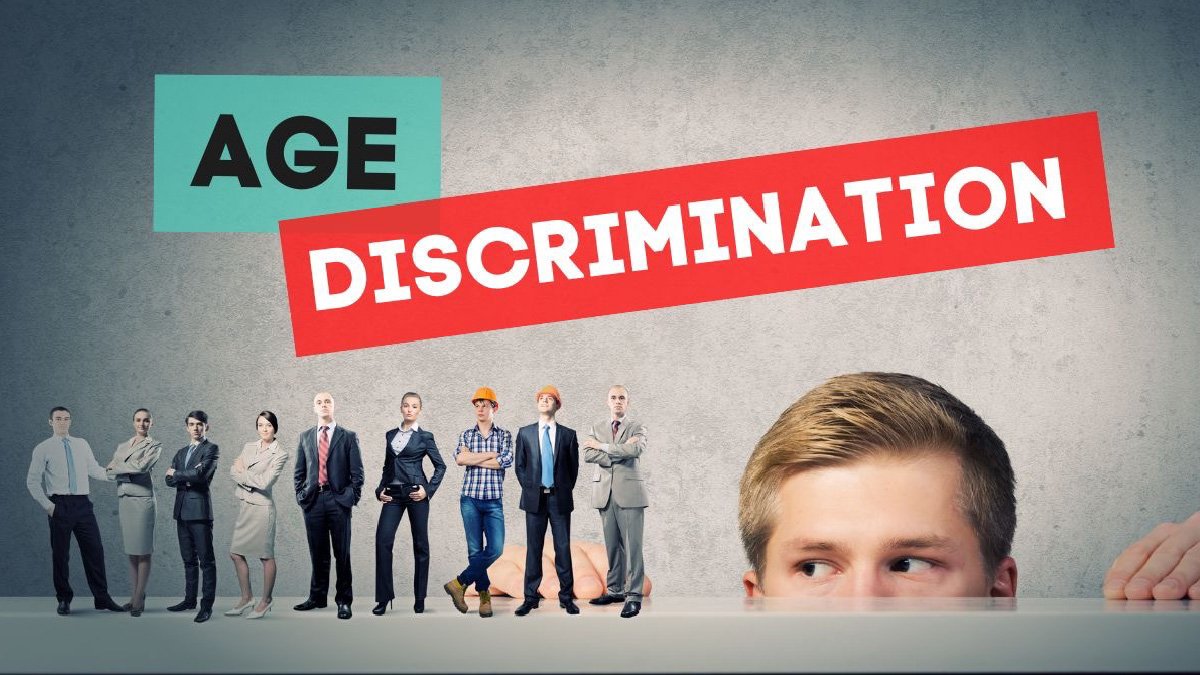
After years of solid performance reviews, the changes can feel sudden. Meetings happen without you, your biggest clients are handed to a newer hire, and a manager starts talking about bringing in “fresh energy.” Then a reorganization arrives, and your position is the one that disappears. Many experienced workers go through this and wonder whether it was simply business or something the law does not allow.
Age bias at work is often quiet, but it is still illegal. Talking with age discrimination attorneys in NYC can help you figure out whether your employer’s choices crossed a legal line. This article walks through the subtle forms age discrimination takes, what to watch for in layoffs and severance offers, and the protections available to workers in New York City.
Table of Contents
Age Bias Rarely Announces Itself
Very few employers say outright that someone is too old for the job. Instead, age bias tends to hide behind coded language and gradual changes. Phrases like “digital native,” “culture fit,” “long-term runway,” or “high energy team” can sometimes signal a preference for younger workers, especially when they show up alongside unequal treatment.
Other forms are easy to miss because they build slowly over time. An older employee might be left out of training on new software, kept off leadership tracks, or quietly stripped of responsibilities until the role looks unnecessary on paper. Each step may seem small on its own, but together they can form a pattern that tells a very different story than the employer’s official explanation.
Layoffs and Reorganizations Deserve a Closer Look
Companies have the right to cut costs and restructure. What they cannot do is use a layoff as cover for removing older workers. When most of the people let go in a reduction are over 40, while younger employees in similar roles keep their jobs, that pattern can support a discrimination claim.




It also matters what happens after the layoff. If your job was eliminated but a younger person was hired a few months later to do nearly the same work under a new title, that sequence may be strong evidence. Keep an eye on job postings and changes in your former department, since the details often surface after you have left.
Read Your Severance Agreement Before Signing
Severance offers often arrive at a stressful moment, with a short deadline and pressure to sign quickly. Many of these agreements include a release that waives your right to bring discrimination claims in exchange for the payment. Once signed, that waiver can be hard to undo.
Federal law adds special protections for workers 40 and older who are asked to waive age claims. Under the Older Workers Benefit Protection Act, the agreement must be written in plain language, must specifically mention age discrimination claims, and must advise you in writing to talk with a lawyer. You generally must be given at least 21 days to consider the offer, or 45 days if the layoff involves a group of employees, and you have seven days after signing to change your mind. If an agreement skips these steps, the waiver may not hold up.
Protections That Go Further in New York City
New York City workers have some of the broadest age protections in the country. The federal Age Discrimination in Employment Act covers employees 40 and older at companies with 20 or more workers. The New York State Human Rights Law extends protection to workers 18 and older at employers of any size, and the New York City Human Rights Law applies to employers with four or more employees.
That layered coverage matters in a city where industries like finance, advertising, media, and technology often prize youth in their branding and hiring. The city law is also interpreted more generously than federal law, meaning a worker generally needs to show only that they were treated less well, at least in part, because of age. Complaints can be filed with the New York City Commission on Human Rights, the New York State Division of Human Rights, or the federal Equal Employment Opportunity Commission. Federal charges in New York usually must be filed within 300 days, while state and city agency complaints often have a one-year window.
Building Proof Without a Smoking Gun
Most age discrimination cases do not include an email that says “we want someone younger.” Instead, they rely on circumstantial evidence that, taken together, points to age as a factor. That can include a strong performance history followed by sudden criticism, shifting explanations for a decision, age-related comments from decision makers, or a replacement who is significantly younger.
Start keeping records as soon as you notice a change. Save performance reviews, awards, and positive feedback. Write down dates of meetings, who said what, and which assignments were moved away from you. Store copies somewhere outside your work accounts. The EEOC’s guidance on age discrimination explains what the federal law covers and can help you understand how your situation fits.
Choosing Your Next Move
You have several paths, and the right one depends on your goals. Some workers start by raising concerns with human resources, which creates a record and gives the employer a chance to respond. Others file a complaint with a government agency, and some pursue a lawsuit after meeting the required steps. Retaliation for any of these actions is illegal, including demotion, schedule cuts, or termination after you complain.
An attorney can review the facts, explain which laws apply, and help you weigh options such as negotiating better severance, filing an agency charge, or going to court. Early advice is especially helpful if you have been handed a severance agreement with a deadline.
Questions Workers Often Ask
Can I bring a claim if I still work there?
Yes. Age discrimination is not limited to firings. Being denied promotions, raises, or training because of age can also be unlawful, and you can raise those issues while still employed.
What if my employer never mentioned my age?
Direct comments are not required. Many successful claims are built on patterns, such as being replaced by a much younger employee or receiving explanations that do not match your record.
Is it too late if I already signed a severance agreement?
Not always. If the agreement did not follow federal waiver rules, or if you are still within the seven-day revocation period, you may have options. Have a lawyer review the document as soon as possible.
Protecting Your Career at Every Age
Experience should be an asset, not a reason to be pushed aside. Knowing how age bias tends to show up, reading severance agreements carefully, and keeping good records can help you protect your income and your future. If something about the way you have been treated does not add up, getting legal guidance early gives you the clearest view of your rights and the best chance to act before key deadlines pass.