Tasmanian sparkling wine has earned a distinguished reputation in the wine world for its refined character and exceptional quality. The island state of Tasmania, located south of mainland Australia, offers unique climatic conditions that contribute to the production of some of the finest sparkling wines globally. Understanding what sets Tasmanian sparkling apart requires an exploration of its geography, viticulture, production methods, and the distinct qualities that define this elegant beverage.
Table of Contents
Geographical Influence on Tasmanian Sparkling
Tasmania’s cool climate plays a pivotal role in the cultivation of grapes used for sparkling wine. The island experiences a maritime climate with mild summers, cool autumns, and generally consistent rainfall. These conditions slow grape ripening, allowing for the development of complex flavours and the preservation of natural acidity—two essential elements for premium sparkling wines.
The clean air and low levels of pollution in Tasmania contribute further to grape quality. The isolation from mainland Australia reduces the risk of pests and diseases prevalent in warmer regions, supporting sustainable and organic viticulture practices in many vineyards.
Viticulture Practices in Tasmania
Vineyards dedicated to producing Tasmanian sparkling benefit from careful site selection. Many are situated on north-facing slopes or near bodies of water, which moderate temperatures and reduce frost risk. These factors ensure the grapes maintain vibrant acidity and develop subtle aromatic profiles.
Grape varieties typically used in Tasmanian sparkling include Chardonnay, Pinot Noir, and Pinot Meunier. These traditional Champagne varieties thrive in Tasmania’s climate, producing grapes that exhibit fresh citrus and stone fruit characters with delicate floral notes.




Production Methods Distinguished by Precision
The production of Tasmanian sparkling often follows traditional methods akin to those employed in Champagne, France. This involves a secondary fermentation in the bottle, which creates fine bubbles and complex flavours through extended lees ageing.
Producers in Tasmania place great emphasis on craftsmanship and patience. The ageing period on lees can extend beyond the statutory minimum, resulting in enhanced richness and texture. Careful riddling and disgorgement ensure clarity and a delicate mousse, attributes highly sought after in sparkling wine.
The Sensory Characteristics of Tasmanian Sparkling
Tasmanian sparkling wines are celebrated for their elegance and balance. On the nose, one can expect a blend of fresh citrus fruits, green apple, and subtle brioche notes from lees maturation. The palate typically offers a crisp acidity that underpins flavours of lemon zest, white peach, and fine mineral nuances.
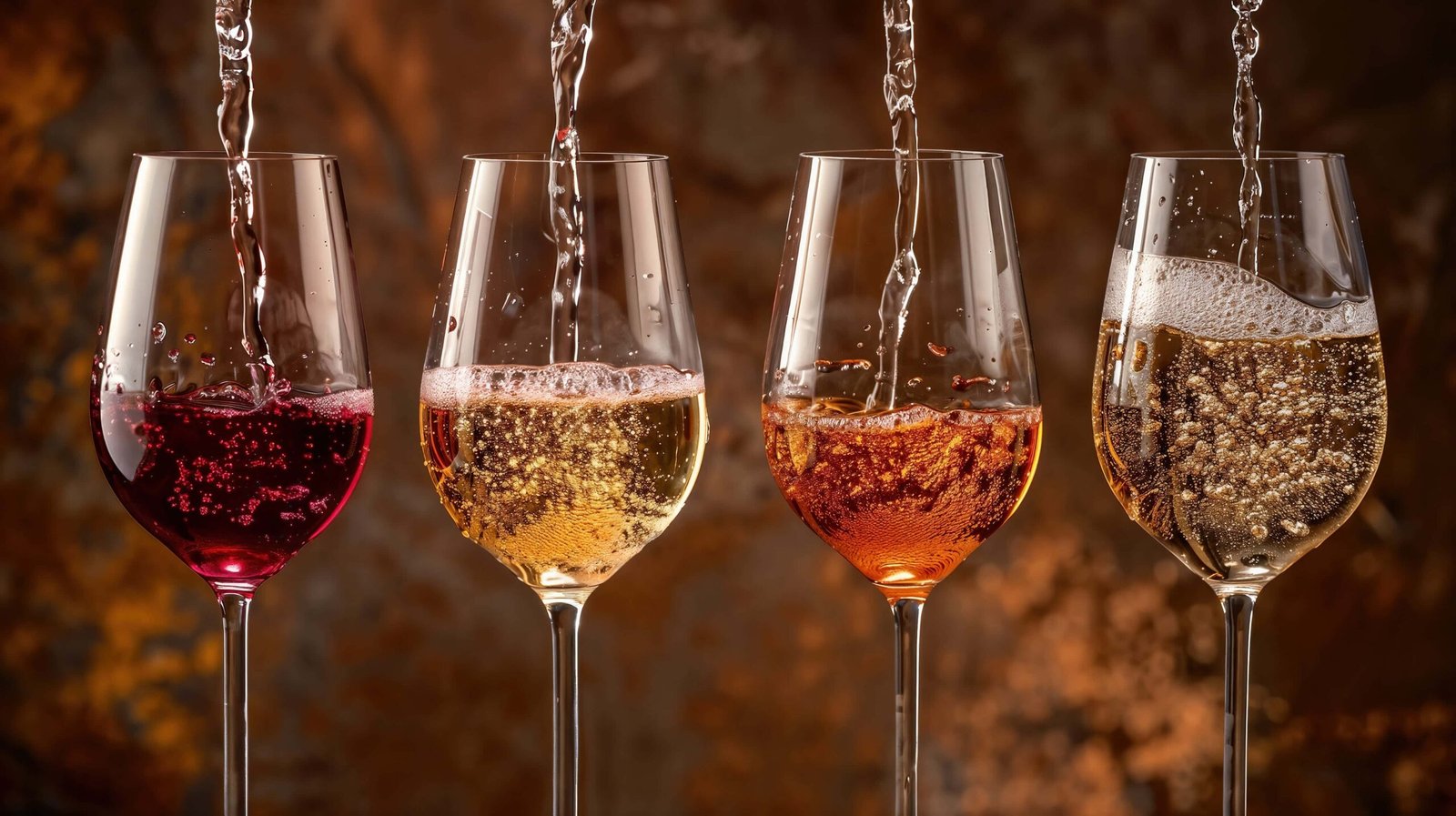
The mousse, or bubbles, is increasingly recognised for its finesse and persistence, contributing to a creamy mouthfeel and a refreshing finish. This textural sophistication makes Tasmanian sparkling a prized choice for those who appreciate refined sparkling wines.
Key Producers of Tasmanian Sparkling
Several wineries in Tasmania have achieved acclaim for their sparkling offerings. Among these, tasmanian sparkling producer Jansz is notable for delivering consistent quality and expression of the region’s terroir.
Jansz, for instance, employs traditional methods in conjunction with modern winemaking techniques to produce a range of sparkling wines with depth and elegance. Their dedication highlights the high standards upheld in Tasmania’s sparkling wine industry.
Pairing Tasmanian Sparkling with Cuisine
The versatility of Tasmanian sparkling extends to its compatibility with food. Its acidity and delicate flavour profile mean it pairs well with a variety of dishes, ranging from seafood and light poultry to creamy cheeses and even soft desserts.
In particular, the crispness of the wine complements fresh oysters and shellfish, which are abundant in Tasmania’s coastal areas. The wine’s complexity also balances slightly richer dishes, making it suitable for celebrations and formal dining occasions alike.
Market Recognition and Awards
The rising prominence of Tasmanian sparkling in both domestic and international markets reflects its growing reputation. Various wines from the region have garnered awards in prestigious wine competitions, reinforcing the perception of Tasmania as a premier sparkling wine region.
These accolades also serve to boost consumer confidence and interest, encouraging further exploration and appreciation of Tasmanian sparkling wines among connoisseurs and casual drinkers.
Sustainability and Future Prospects
Many Tasmanian wineries are committed to sustainable viticulture, recognising the importance of environmental stewardship in maintaining grape quality. Practices such as organic farming, minimal intervention, and water conservation are increasingly prevalent.
Looking ahead, the future of Tasmanian sparkling appears promising. With ongoing investments in vineyard management and winemaking technology, as well as global interest in sparkling wines, Tasmania is well positioned to enhance its status and production capacities.
Conclusion
In summary, Tasmanian sparkling wine represents a distinct and sophisticated category within the global sparkling wine market. Its success stems from Tasmania’s unique terroir, careful viticulture, traditional production methods, and the dedication of wineries such as tasmanian sparkling makers.
For wine enthusiasts and industry professionals seeking a sparkling wine with finesse, balance, and authentic regional character, Tasmanian sparkling offers an exemplary choice. Its elegance and versatility ensure its place at tables around the world, celebrating both heritage and quality in every bottle.