
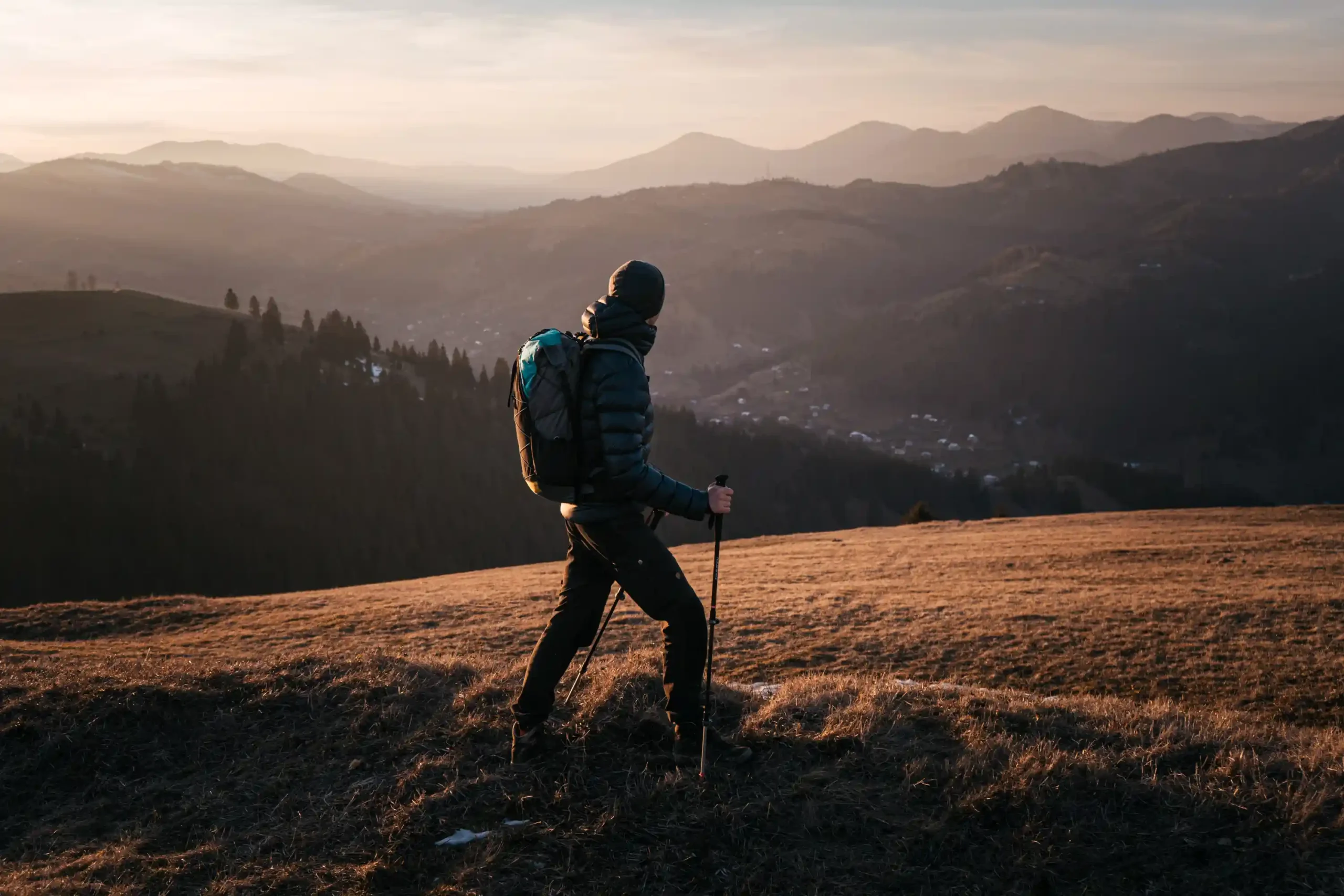
Nature gives an excellent chance for people to get away from their everyday chores. The lure of wild nature attracts thousands to dirt roads and mountaintops every year. In order to be successful on a long hike, one needs to be well-prepared before putting on shoes. In today’s time, a trip needs a delicate combination of physical condition and proper choice of equipment.
When a person takes his first step in wild nature, proper preparation guarantees safety and comfort throughout the trip. High-quality products such as Sea to Summit Hiking gear ensure that your backpack is light yet fully equipped for any conditions. Proper choice of equipment guarantees that you will not suffer from unexpected changes in weather and hard-to-pass ground.
Table of Contents
Pick the Route with Care
Every great outdoor venture starts with a clear choice of destination. A person must look at the total mileage, elevation gain, and difficulty of a path before arrival. Local park websites provide crucial updates on trail closures, wildlife shifts, and permits. A crisp paper map serves as the main tool to avoid navigation errors in dense woods or rocky fields. Phone apps help a lot, but a physical map and compass remain mandatory backups. A smart explorer checks recent trip reports from other walkers to learn about current mud, snow, or fallen trees. This initial research eliminates surprises and helps a person match the route to true fitness levels.
Pack the Backpack for Proper Balance
The positioning of the load within a backpack affects the stability of a hiker on steep hills. Heavy loads such as food sacks and big water containers, should be placed near the spinal cord in the center of the backpack. This ensures that there is stability of the center of gravity and avoids backache. Light equipment, such as a down jacket and small tents, can be packed at the bottommost part. The backpack lid contains items that can be accessed easily, including headlamps, first aid, and snacks. Tent poles and foam pads can be packed in the external straps of the backpack.
Core Equipment for Camp Survival
A successful trek requires a specific set of tools to address basic human needs in the wild. These essentials ensure that a person can respond to minor emergencies or sudden changes in the weather.
- Navigation: A reliable magnetic compass, topographic charts, and a satellite device.
- Illumination: A bright LED headlamp with extra lithium batteries for night trail use.
- First Aid: Clean bandages, antiseptic wipes, blister tape, and personal medication.
- Repair Kits: Multi-tools, strong duct tape, and extra buckles for pack repairs.
- Fire Starters: Waterproof matches, a dependable lighter, and dry tinder cubes.
Smart Water and Food Management
Clean water holds the highest priority on any outdoor excursion. Dehydration reduces energy levels quickly and impairs judgment on technical paths. A person should carry at least three liters of fluid for a full day of hard effort. Natural sources like creeks or lakes require immediate treatment to remove harmful bacteria and parasites. Lightweight squeeze filters, chemical drops, or ultraviolet pens provide safe water within minutes. Nutrition must focus on calorie density and shelf stability. Nuts, dried fruit, beef jerky, and energy bars offer high fuel value without excess bulk. Frequent small snacks maintain stable energy levels far better than single massive meals.
Smart Layers for Fast Weather Shifts
The weather in alpine environments can shift from hot sun to freezing rain in a matter of minutes. The best defense relies on a modular system of garments that a person can adjust as conditions alter. A base layer made from synthetic fibers or merino wool keeps sweat away from the skin. Cotton apparel must stay at home, because it retains moisture and cools the body dangerously. An insulation layer, like a fleece pullover or a lightweight down vest, traps body heat effectively. The outer shell must feature windproof and waterproof fabric to block harsh storms. Sturdy boots with deep tread protect ankles and prevent slips on wet rock surfaces.
Organize Gear for Ultimate Protection
The final phase of preparation focuses on the security of gear against moisture and dust. Specialized dry sacks protect delicate electronics and spare garments from sudden downpours. The utilization of high-performance Sea to Summit Hiking gear, for instance, delivers exceptional reliability when environmental conditions deteriorate on a remote ridge. Every item must have a designated spot so a person can locate tools instantly in the dark. A final check of the weather forecast right before departure ensures that no major storm systems threaten the route. A responsible walker leaves a detailed itinerary with a trusted friend or family member before the cell signal vanishes completely.
True mastery of the trail stems from rigorous preparation and high-quality gear choices. A methodical approach to food, water, and shelter minimizes the inherent risks of wilderness exploration. This structural readiness empowers a person to face natural challenges with absolute calm and confidence. The rewards of the great outdoors await those who respect the path and prepare with care.
-

-
-
-

-
-

