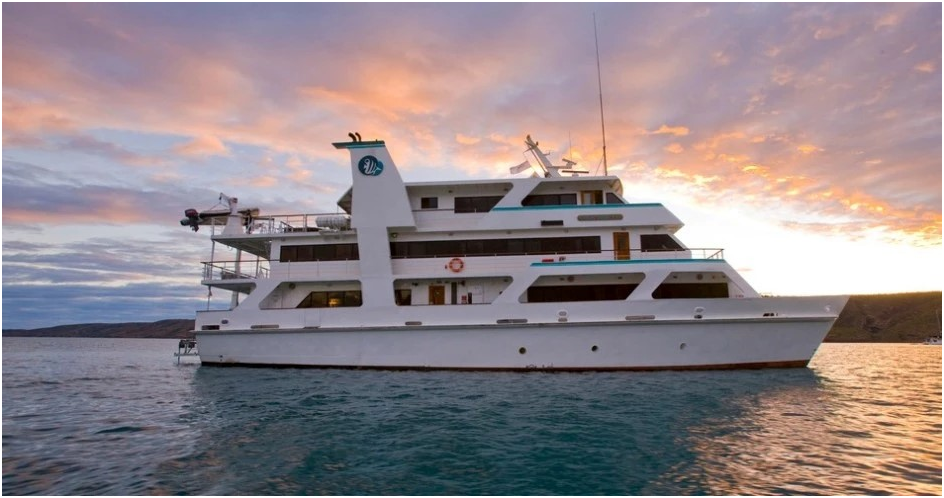
The world’s coastlines tell countless stories. Some are written in centuries-old fishing villages where traditions remain largely unchanged, while others unfold in modern marinas filled with luxury yachts, upscale restaurants, and waterfront developments. Traveling along the coast offers a unique opportunity to experience both worlds and discover how different communities are connected by the sea.
What makes coastal journeys so fascinating is the contrast. In a single day, travelers can move from a quiet harbor where fishermen mend their nets by hand to a bustling marina where vessels from around the globe gather under the glow of modern waterfront skylines.
The Timeless Charm of Fishing Villages
Fishing villages possess a character that cannot be manufactured. Their identity is shaped by generations of people who have depended on the sea for their livelihoods.
Walking through narrow waterfront streets often reveals colorful boats tied to simple docks, local markets selling the day’s catch, and residents who know one another by name. Life tends to move at a slower pace, guided by tides, weather conditions, and seasonal fishing cycles.
These communities provide travelers with an authentic glimpse into maritime culture that has survived despite rapid modernization elsewhere.
Coastal Traditions That Continue Today
Many fishing villages continue to preserve customs that have been passed down for centuries. Festivals celebrate the sea, local recipes highlight freshly caught seafood, and stories of past voyages remain an important part of community identity.
Visitors often discover that the most memorable experiences come from simple interactions. A conversation with a fisherman, a meal at a family-run restaurant, or an afternoon spent watching boats return to port can offer deeper insight than any guidebook.
These moments remind travelers that coastal life is about much more than scenery.
The Rise of Modern Marinas
As boating and marine tourism have grown, many coastal regions have developed world-class marinas that attract visitors from around the world.
These facilities provide safe harbor for recreational vessels while offering a wide range of amenities. Luxury accommodations, waterfront dining, shopping districts, and entertainment venues have transformed many marinas into destinations in their own right.
For travelers arriving by boat, modern marinas serve as convenient gateways to explore surrounding cities and coastal attractions.
Life on the Water Connects Both Worlds
Despite their differences, fishing villages and luxury marinas share a common connection to the sea.
Both depend on maritime activity, local harbors, and a culture built around life on the water. Whether a vessel is a small fishing boat or a modern yacht, the same ocean links every coastal community.
This connection creates a fascinating blend of tradition and innovation that can be experienced throughout many coastal regions.
Essential Resources for Coastal Voyages
Travelers exploring multiple coastal destinations often spend extended periods on the water. Proper planning becomes increasingly important when moving between remote villages and larger ports.
Carrying reliable boat supplies helps ensure that journeys remain comfortable and uninterrupted. Freshwater reserves, maintenance materials, safety equipment, and emergency provisions are valuable resources for both short excursions and extended coastal adventures.
Preparation allows travelers to focus on exploration rather than logistical concerns.
Comfort and Convenience Along the Journey
Modern boating has made coastal travel more accessible than ever before. A variety of marine accessories can enhance comfort, safety, and efficiency while traveling between destinations.
Items such as navigation aids, storage solutions, communication devices, and weather-monitoring tools help boaters adapt to changing conditions and enjoy their time on the water with greater confidence.
The right equipment often contributes to a smoother and more enjoyable experience.
Understanding Local Maritime Culture
One of the benefits of international travel is learning how maritime communities operate in different regions.
In Spain, for example, travelers preparing for boating excursions may encounter the phrase “materiales nauticos” when searching online for marine products or visiting local marine retailers. Becoming familiar with commonly used nautical terms can make it easier to locate useful resources while exploring coastal destinations abroad.
Small details like these often help travelers navigate unfamiliar environments more effectively.
Appreciating the Full Coastal Experience
A journey that includes both traditional fishing villages and sophisticated marinas offers a broader understanding of coastal life. One represents heritage, resilience, and community. The other reflects innovation, tourism, and modern maritime culture.
Neither experience is necessarily better than the other. Together, they create a richer picture of how people continue to live, work, and travel along the world’s shores.
For those willing to explore beyond a single destination, the coastline reveals an endless variety of stories waiting to be discovered. From humble fishing docks to elegant marina promenades, every harbor has something unique to offer.
-

-

-

-

-

-