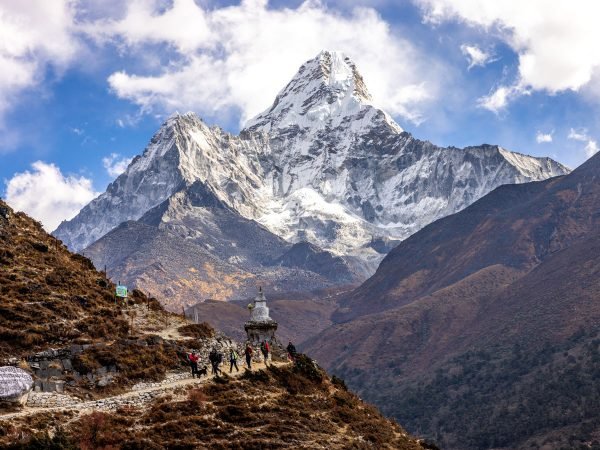
Before boots meet the trail toward Everest Base Camp, groundwork quietly decides much. The pace takes shape long prior—not from steps taken, but choices made when maps still lie flat. When plans waver, risk seeps in like cold at dawn. Ease comes not from what’s packed but from thoughts that arrived first. What matters most begins where focus settled weeks earlier—silent, unseen.
Out here, heading toward Mount Everest isn’t something you just decide one morning. Each move that follows ties back to choices set long before boots hit snow.
Table of Contents
Maybe begin alone. Or find someone who knows the path.
Out front, one decision stands clear: which trail do you see yourself taking from Lukla? Every route bends the coming days slightly differently. The first step sets more than just direction.
You generally have three options:
A footstep matches yours, one ahead while the other bears weight. Rest arrives untouched by effort. A hand appears just before the call. Light spreads through hours like warmth at dawn
Independent trek: You manage route, navigation, and logistics yourself
A person nearby joins your walk, even if you started alone. One step after another, yet someone else’s presence lightens the load. You keep going on your own, but support shows up just the same. Walking solo feels different once practical help comes into play. Out here on your feet, though, village words shape every step. You pick the way forward, while another shoulders the load that drags behind.
A shaky start might change your comfort, your pace, your wallet, and even how light you feel on the Everest Base Camp Trek. New here? Most first-timers adjust to the high ground more smoothly with someone leading than trying it alone.
Decide your pacing and itinerary length carefully.
Up high, moving fast? That pick changes every part. When days get squeezed, problems tend to follow close behind. With less time, people find things harder than before. Mistakes happen more easily on hurried paths. Even a distant target grows clearer through a steady pace.
A safe itinerary should:
● Include a gradual ascent from lower elevations
● Allow acclimatization days in key villages
● Avoid long consecutive climbing days
● Build flexibility for weather or fatigue
Move through Sagarmatha National Park slowly—the higher you go toward Everest, the more your pace protects you. Each footfall counts more than comfort up here.
Decide how you will handle altitude adaptation.
Starting high up changes every part of the journey. Wait until you’ve decided just how closely to stick to altitude guidelines.
Key decisions include the following:
● Between stops, a few journeys slow down. Moving quickly, some keep going without pausing.
● Perhaps days find you reaching upward, while evenings settle nearer the ground.
● Ever notice what shifts if you stop avoiding your emotions? Staring at them changes something deep inside. Feelings grow louder when butted heads on. A quiet moment becomes a mirror. Truth hides less when you stay put. What once felt heavy might lighten up. Facing it alters the weight. Not running creates space. Emotions transform when held close. The act of staying reshapes everything.
Starting slow up from Lukla gives time—climbing safely needs that pause built in. Each step higher asks for more, so rest comes before push. High air thins fast; rhythms shift when breath grows short. Body changes matter most halfway through. Pressure builds quietly behind the ribs. Moving steadily beats moving quickly here. Altitude does not hurry, nor should you.
Figure out how you’ll split up the money, not only what it adds up to
Penny pinching misses the point. What shapes where every bit lands counts too.
Important categories include:
● Flights (especially Kathmandu–Lukla)
● Guide and porter services
● Accommodation and meals
● Permits and entry fees
● Emergency or buffer funds
Money that breathes keeps pace when trails change in Sagarmatha National Park. Flexibility weighs more than the number saved. What counts is not rigid totals but how easily figures bend.
Decide your level of physical preparation.
Walk first, worry later—consistency beats talent when breath stays even. Not sprinting, but showing up does the work.
Before the trek, decide:
● Step by step, strength builds form—or does smooth motion arrive on its own? A steady walk shapes the body, yet maybe grace needs no push. Movement carves a pattern into habit; still, lightness might just appear.
● Each day, walking a long way—did you test that already?
● Downhill forces. Uphill demands. Your frame meets them—does it bend or hold? Picture paths that ask legs to fight upward, then brake hard on the way back. Rise after drop. Ready each time?
● On the trail to Everest Base Camp, speed takes a backseat when daily rhythm keeps you going.
Start by thinking through what could go wrong.
Then choose steps to prevent harm. Figure out who needs to be involved. Set clear ways to watch for problems. Put plans in place to respond when needed.
Long before movement begins, decisions cast their shadow on what feels safe.
You must decide:
● Whether you will follow the guide instructions strictly
● What happens when your body reacts to high-elevation signs
● When time runs short, wellness could claim the top spot
Turning around when necessary depends on how willing you are to shift direction
Out here, weather writes the day’s story—plans just whisper in the background. When the peak bares its teeth, standing still means more than stepping forward. Progress hides not in climbing but in holding back when storms draw near. Winds scream out of nowhere; that is when quiet waiting becomes strength. Most times, rushing ahead just lands you in trouble. Waiting it out makes sense when danger’s still around.
Decide your gear philosophy: minimal vs. prepared.
Heavy loads come with spilled belongings. When preparation falls short, problems slip in. Balance guides the way through.
You should decide:
Heavy bags slow you down. Still, some folks bring backups for everything. Few clothes might mean less stress. Yet others sleep easier knowing help is near if something fails. What sticks matters more than what fills space.
Home gear feels familiar, yet hauling it risks delays. Local rentals skip baggage fees but might lack your preferred specs. Weather shifts fast up there—borrowed kit gets you moving quicker if plans change overnight. Unexpected extras pile up on both sides of the choice.
Something light tugs at one hand. Heavy padding waits in the other. When the ground turns uneven, what sticks? A step changes everything.
Inside Sagarmatha National Park, gear choices directly affect daily energy levels.
Decide on your mental approach to discomfort.
Inner readiness—often overlooked by many—is something few pause to consider.
A decision stands in the way of what comes next.
Could it be that chill, fatigue, and slow movements—these are simply what living feels like today? Maybe numb hands, constant yawns, legs dragging—not signs, but routine. Perhaps the body’s low hum isn’t broken, just changed. Is stiffness between bones and fog behind eyes ordinary now? Does breath come short not from illness but from time itself wearing down edges?
Someone else’s path might look bright. Yet your steps matter just as much. Watch how fast they move. Slow down. Notice what grows in your own shadow instead.
Could unease simply blend into the moment rather than stand out as a problem to solve?
Through the air near Lukla, movement begins slow and deliberate. Mindset, not muscle, guides every footfall ahead. When paths turn jagged, stillness inside keeps balance. Pace means little; how you move through breathless heights carries weight. Each step on rock follows a pulse shaped by letting go.
Decide your flexibility level with weather and delays
Clouds drape the mountain one minute and vanish the next. Weather here ignores calendars. Plans shift when gusts pick up across the ridge. Morning clarity often fades before lunchtime. Delays stick around if visibility drops at base camp. Rigid timetables? They melt faster than ice in sunlight.
You must decide:
● Just toss in a few more days—it might come in handy when things change. Happens often enough.
● When the route changes, is it possible to keep steady as waits grow longer?
● How the mountain appears could shape our next move.
● Here, folding under pressure doesn’t mean weakness—it means surviving Sagarmatha National Park.
A twist keeps you breathing when the air runs thin. Not ease, but endurance shapes each step forward. Where most would break, some simply bend just enough. Survival wears many forms—here, it looks like quiet persistence. The mountain does not care for effort—only whether you adapt. Flexing becomes routine where rigidity fails fast. In these heights, softness is strength disguised.
Why do you follow that road?
Where you aim shapes everything after. Your reason turns barriers into steps, moments into paths. Purpose pulls the journey tight.
Common intentions include:
● Adventure and exploration
● Personal challenge
● Cultural experience
● Connection with nature
Out near Everest, remembering what counts helps keep walking when times get rough. When the body aches or thoughts blur, having a path ahead holds things together. Harsh gusts blow hard; tiredness digs in—still, meaning stays firm like stone. Losing that thread invites doubt right when resolve should rise. Up where oxygen slips away and dusk falls quick, staying locked inside your head means making it through.
Final thought
Before feet meet the mountain’s edge, choices already shape the way—silent decisions made in stillness. Step after step beyond Lukla, through Sagarmatha’s stretch of stone and sky, each advance leans on what came first. Not movement alone, yet judgment set long before dust rose. What rises now stood firm back then.
Walking forward feels easier when decisions are honest, ready to shift if needed. Rewards come softly, deeply, when built on what’s real. Safety isn’t about holding tight—it shows up when understanding stays firm, even while flexing. The ground holds steady because sight stays clear.
-
-
-

-
-

-