Rockhounding has a long history in the United States, rooted in both amateur geology and a broader interest in the natural materials found across the country’s diverse terrain. From desert basins to volcanic fields and river beds shaped over millions of years, the US offers collectors access to an unusually wide range of mineral and fossil environments. What separates a productive outing from a wasted one, however, is rarely about location alone. It comes down to preparation — knowing the site, understanding what it yields, and carrying the right equipment to handle what you find without damaging it in transit.
For collectors at any level, the practical side of the hobby is easy to overlook. Most people spend significant time researching where to go and very little time thinking about how to bring their finds home safely and efficiently. That gap in preparation leads to broken specimens, lost material, and a general frustration that has nothing to do with the quality of the site itself.
Table of Contents
Carrying Your Finds Properly Starts Before You Arrive
One of the most overlooked elements of any field outing is the container used to carry collected specimens. A proper rock bag is not simply a convenience — it is a functional piece of field equipment. The way material is carried during and after collection affects whether a specimen survives transport, whether it can be sorted on-site, and whether the collector can manage the physical weight of what they’ve gathered over several hours of walking uneven terrain. Collectors who invest in a purpose-built rock bag tend to approach their outings differently — they plan for volume, they think about weight distribution, and they treat each specimen as something worth protecting rather than just gathering.
Beyond the bag itself, the surrounding gear matters. Chisels, brushes, protective wrapping, and sturdy gloves all contribute to whether material makes it home intact. When these items are organized and accessible, the pace and quality of collection improve naturally.
Weight Distribution and Field Duration
Many rockhounding sites require substantial walking, often across terrain that is uneven, rocky, or exposed to significant heat. The cumulative weight of collected specimens adds up quickly, and collectors who don’t account for this early in a trip often find themselves cutting outings short or making poor decisions about which pieces to keep. A well-structured carry system, with padded straps and reinforced base support, reduces fatigue and allows collectors to work longer without compromising their safety or the condition of what they’ve collected.
This is not a minor consideration. Sites that require extended hikes or remote access reward collectors who have thought carefully about load management. The return trip, often uphill or across uneven ground, demands more from the body than the initial approach, and the added weight of specimens makes that physically meaningful.
Key Rockhounding Sites Across the United States
The United States holds an exceptional concentration of public and permit-accessible rockhounding sites, and the variety of material available across these locations is significant. Understanding what each region offers — and what conditions collectors should expect — is the foundation of any successful outing.
The Pacific Northwest: Agates, Jaspers, and Petrified Wood
Oregon and Washington are known among collectors for their consistent yields of agate, jasper, and petrified wood. The Oregon coast in particular produces beach agates along storm-tide lines, where material is sorted and deposited naturally by wave action. Inland areas of central Oregon, including the Succor Creek region and the area around Prineville, are productive jasper and petrified wood zones where surface collecting is common.
Conditions here vary significantly by season. Coastal sites are best worked in late fall and winter after storms have moved material onto beaches, while inland desert sites are more accessible in spring and fall when heat is manageable. Carrying a dedicated bag for field work matters at both types of sites, since coastal pebbles are dense and heavy while fragile petrified wood requires careful wrapping to prevent surface fractures.
The American Southwest: Crystals, Minerals, and Turquoise Country
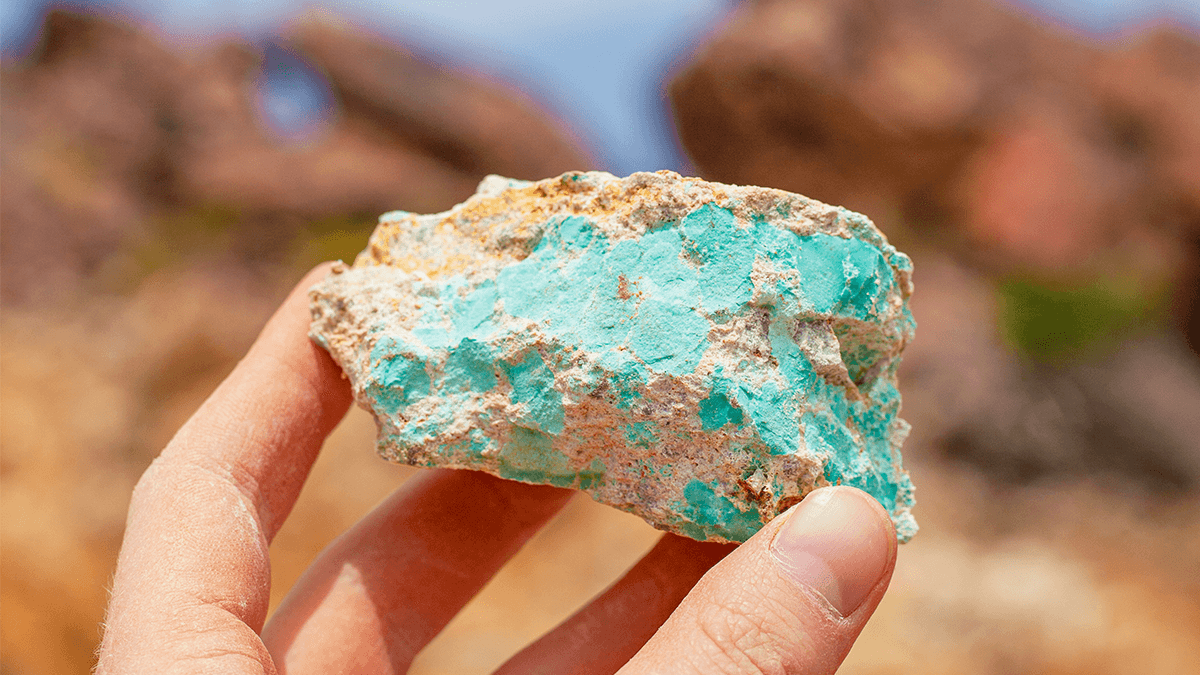
Arizona, New Mexico, and parts of Nevada and Utah represent some of the most mineralogically rich collecting ground in the country. The combination of volcanic activity, hydrothermal systems, and ancient sea beds has produced environments where quartz crystals, azurite, malachite, and even turquoise occur in accessible locations. Arizona’s Tucson area, known globally through the annual gem show, reflects just a fraction of what the broader region contains in its natural landscape.
Desert collecting demands attention to environmental exposure. Heat, dust, and long distances between points of access mean that preparation is not optional. Collectors working these areas benefit from compact, well-organized gear setups — including a reliable rock bag that can handle both the volume and the abrasive nature of desert minerals without deteriorating after repeated use.
The Southeast: Rubies, Sapphires, and Gold Placers
Western North Carolina is one of the more underappreciated rockhounding regions in the eastern United States. The gem-bearing gravels around Franklin and Hiddenite have produced rubies, sapphires, emeralds, and garnets for both commercial and recreational collectors. The region’s geology, shaped by ancient metamorphic processes, creates conditions where corundum-bearing minerals are found in sluice operations and surface dig sites open to the public.
Gold panning is also active across portions of the Southeast, particularly in the streams that drain the southern Appalachians. While yields are modest by historic standards, the activity remains popular and accessible, and it pairs naturally with broader mineral collecting in the region.
The Great Basin and Nevada’s Gem Fields
Nevada contains significant collecting territory across its high desert basin, including sites where fire opal, obsidian, and chalcedony occur in volume. The Virgin Valley opal fields, accessible under permit, are among the only places in North America where precious opal is found in natural matrix. Collecting there requires careful handling, since the material is hydrated and can crack as it dries after excavation.
These are not casual roadside stops. Sites across Nevada often require planning around road conditions, water availability, and permit timing. Collectors who treat these outings seriously — with field-ready gear and proper carry equipment — consistently bring back better material than those who improvise.
Understanding Public Land Access and Permit Requirements
A significant portion of productive rockhounding territory in the United States falls under the jurisdiction of the Bureau of Land Management, which administers more than 245 million acres of public land. The agency provides guidelines for personal use collection, generally allowing small quantities of common rocks and minerals for non-commercial purposes without a permit, while regulated materials and larger quantities require formal authorization. Collectors who understand the rules specific to each site avoid the risk of collecting in restricted zones or exceeding quantity thresholds that could lead to enforcement issues.
State-Specific Regulations and Seasonal Access
Beyond federal land rules, individual states manage their own parks and natural areas with varying degrees of collection permission. Some states prohibit any removal of material from state parks, while others allow limited collection of specific material types. Fossil collection is regulated separately and more strictly than mineral collection in most jurisdictions, and commercial collection almost always requires a separate permit regardless of location.
Seasonal access is a practical issue as much as a regulatory one. Many desert sites become inaccessible during summer months due to extreme heat, while mountain sites may be closed through spring due to snow and unsafe road conditions. Planning a trip around both the regulatory calendar and the physical conditions of the site is the baseline level of preparation for any serious outing.
Field Gear Beyond the Basics
The core toolkit for rockhounding is relatively consistent across collecting environments. A geological hammer, a set of chisels in varying sizes, protective eyewear, and sturdy gloves cover most excavation needs. What varies more significantly is how material is carried and protected once collected.
Wrapping materials — newspaper, bubble wrap, or foam — are essential for protecting delicate or fractured specimens during transport. A field notebook or marking system helps collectors track exactly where a piece came from, which matters for both personal records and scientific reference. Water and sun protection are non-negotiable at exposed sites, and many experienced collectors carry a first aid kit given the nature of the terrain they work.
• A dedicated rock bag with reinforced construction handles the weight and abrasion of dense mineral material across extended outings without structural failure.
• Separate compartments or liners allow collectors to sort soft and hard specimens in the field, reducing the risk of damage from pieces grinding against each other.
• Compact brushes for clearing surface material on-site allow for better initial assessment before a piece is bagged or wrapped.
• Adequate hydration capacity is critical at desert and high-altitude sites where physical exertion is combined with environmental exposure.
• A reliable light source extends usable time at sites where low-angle morning or evening light makes surface features easier to identify.
Closing Thoughts
Rockhounding in the United States rewards preparation more than luck. The sites are there, the material is accessible, and the public land framework allows most collectors to work legally and productively across a wide range of environments. What makes the difference between a good outing and a disappointing one is almost always about planning — understanding the site, respecting the rules, and having the right equipment in hand before you leave the trailhead.
The gear conversation is simpler than it sometimes appears. A proper carry system, quality hand tools, and basic protective materials cover the majority of needs across most collecting environments. Collectors who invest in these fundamentals find that their time in the field is more productive, their specimens arrive home in better condition, and the physical demands of extended outings become more manageable over time.
For anyone building out their kit — whether they’re heading to Nevada’s opal fields or North Carolina’s gem gravels — the starting point is always the same: know what you’re going to find, and make sure you’re prepared to carry it home properly.
-

-

-

-

-

-