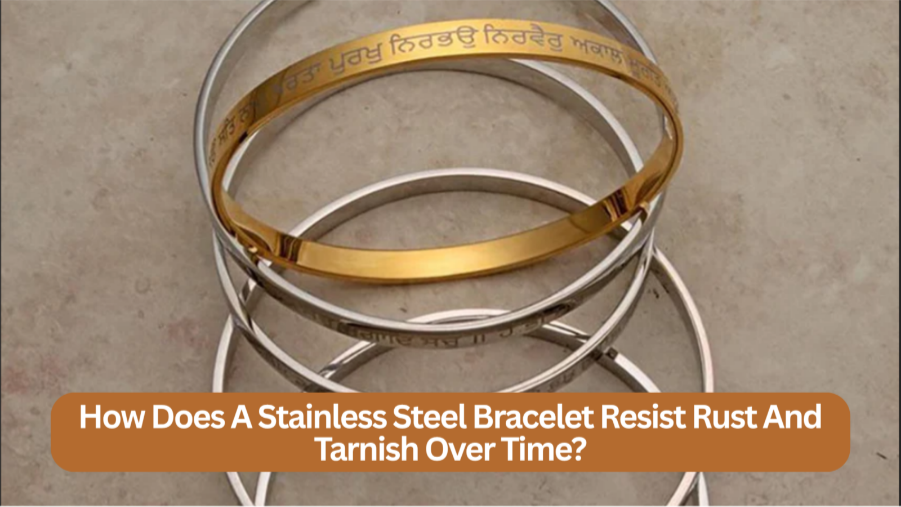
Your bracelet is something you use daily, and with time, you begin to observe condensed areas or discoloration of other metals. However, sweat, water, and day-to-day exposure will soon take their toll. Even such basic tasks as hand washing or outdoor exercises can make this wear happen even faster. When something that you treasure starts losing its original appearance without prior notice, it becomes frustrating.
Therefore, the selection of appropriate materials will help. Stainless steel is exceptional due to its ability to withstand the normal causes of rust and tarnish. Moreover, with proper make and finishing, it can stand a lot of everyday use without necessarily insisting on special handling and treatment. That means less polishing and fewer worries about damage from everyday exposure. It also works well even in severe or humid conditions.
Therefore, this article discusses how stainless steel resists rust and tarnish over time and what makes it such a durable choice for everyday wear.
1. Chromium Content Creates Corrosion Barrier
A high-quality stainless steel bracelet owes its durability to chromium, which is considered one of the key elements. Stainless steel typically contains at least 10.5% chromium. That percentage is enough to trigger a chemical reaction with oxygen in the air. The reaction forms a thin, invisible layer on the surface of the metal. This layer develops naturally and continuously protects the material underneath.
That chromium oxide layer acts as a shield. Oxygen and moisture cannot easily penetrate the surface once the layer forms. Unlike other metals that react directly with air and water, stainless steel stops corrosion before it starts. The barrier remains stable even under normal wear conditions. It also helps the surface maintain its original appearance over time.


This protective mechanism is the foundation of stainless steel’s resistance to rust and tarnish in everyday use. It works continuously without needing external treatment or coatings. As long as the surface remains intact, the protection remains highly effective.
2. Passive Layer Repairs Surface Damage
Small scratches happen. Bracelets rub against desks, skin, and other objects throughout the day. Many metals weaken when their surface layer is damaged. Stainless steel responds differently.
When the outer coating is disrupted, the oxygen combines with the chromium in the alloy again. Almost immediately, a new protective layer is produced. This involves a process of repair and is known as passivation. It ensures that even when the bracelet is somewhat worn, it is secure.
This self-healing property is one of the main reasons stainless steel lasts for years. According to research, passive films on stainless steel can rapidly regenerate after disruption due to self-healing mechanisms under ambient conditions.
3. Alloy Composition Improves Durability
Stainless steel is not a single metal. It is an alloy made from iron, chromium, and often nickel or molybdenum. Each element plays a specific role in resisting corrosion and tarnish. This combination is carefully engineered to enhance long-term performance under daily wear.
Nickel enhances the stability of the structure of the object, as well as resistance to acidic conditions, e.g., sweat. Molybdenum improves resistance to exposure to chloride, which is typical in seawater or wet climates. These components work together to form a balanced material that counterbalances various stress factors.
Stainless steel is available in different grades, which provide different degrees of protection. To illustrate this, stainless steel 316L is common in all jewelry due to its high resistance to corrosion. The alloy mixture keeps the bracelet strong and beautiful throughout its entire lifespan.
4. Moisture Resistance Reduces Rust Risk
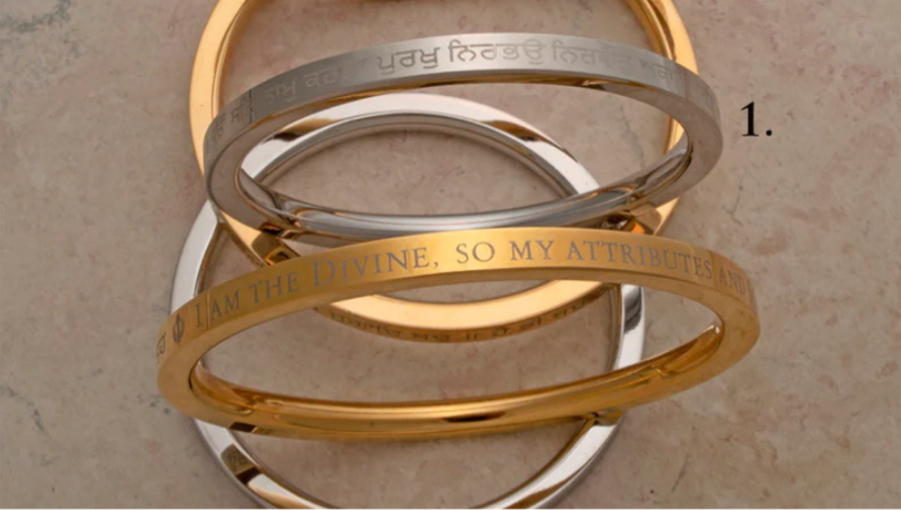
Rust forms when iron reacts with oxygen and water. Stainless steel contains iron, but the chromium barrier prevents that reaction from taking place. That distinction is critical. It creates a surface condition where corrosion reactions are effectively blocked.
Daily exposure to moisture, such as handwashing or sweating, does not easily break down stainless steel. The protective layer blocks water from reaching the iron underneath. This makes the material ideal for people who wear jewelry continuously. It also reduces the need for frequent maintenance or drying.
Moreover, Stainless steel is even good in nature when the weather is humid. Additionally, its coating is not lost to moisture like surrounding situations, and still covers the underlying metal. As a result, this stability is to make the material remain in its structure and look even in the case of long-term wear. In fact, Constant exposure does not play a significant role in diminishing its protective behavior.
5. Surface Finish Maintains Long-term Shine
Tarnish is usually seen as a drabness or coloring of the metallic surfaces. Stainless steel prevents this from both chemical resistance and surface finishing. This dual protection works together to slow down visible wear over time.
Techniques of polishing provide a mirror finish to the surface. A smooth surface minimizes the number of microscopic settlement places that the contaminants can occupy. Decreased accumulation leads to decreased opportunities for discoloration in the course of time.
Brushed or matte finishes also play a role. These finishes can hide minor scratches and maintain a consistent look. Combined with the corrosion-resistant properties of the alloy, the surface finish helps the bracelet retain its original appearance with minimal effort.
6. Environmental Resistance Extends Lifespan
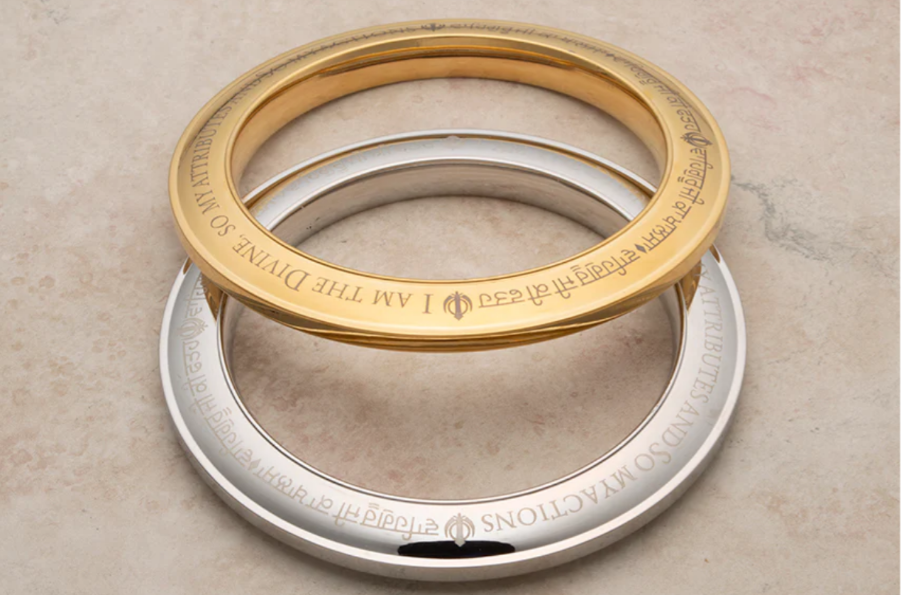
Stainless steel is a material that behaves equally in varying environmental conditions. Its structure is not degraded easily by exposure to air pollution, alteration of temperature, and a daily array of chemicals. Its performance remains constant over time, even in damp or coastal settings.
This stability is due to the fact that the passive layer maintains its integrity even in adverse external circumstances. Its protective activity is not particularly affected by repeated exposure. Even with a slight disturbance, the oxide film regenerates again.
Accordingly, stainless steel can be used in long-term wearable applications that do not compromise its structure. This contributes to its reliability as a material used in everyday jewelry that must endure constant interaction with the environment.
Conclusion
Due to inner chemistry and outer behavior, stainless steel copes with rust and tarnish. The protective barrier is made up of chromium. There is a repair mechanism for that barrier when it is damaged. Other alloy components make it resistant to moisture, sweat, and environmental exposure. Additionally, surface finishing also maintains the look of the bracelet, as the bracelet remains aesthetically similar even after extended usage.
If you want long-lasting jewelry, then prioritize material quality. Specifically, select stainless steel with a well-balanced alloy composition and a properly finished surface. In this regard, grade and finish both have a direct effect on durability in real-world conditions. Ultimately, with minimal care, the bracelet can maintain its strength and shine for years, even with daily exposure to moisture and air.