You mow it. You water it. You even fertilize it. But your lawn still looks thin, patchy, and tired.
Maybe you notice bare spots where grass used to grow. Or the color just isn’t that deep, rich green it once was. After a hot summer, some areas look almost burned out — and no amount of watering seems to bring them back.
You’re not alone. This happens to millions of lawns every year.
Most homeowners do what feels logical — they water more or add more fertilizer. But the lawn still looks weak. That’s because watering and fertilizing can only do so much. If the grass itself is thinning out, the real fix is adding new life back into the turf.
That’s exactly what overseeding does.
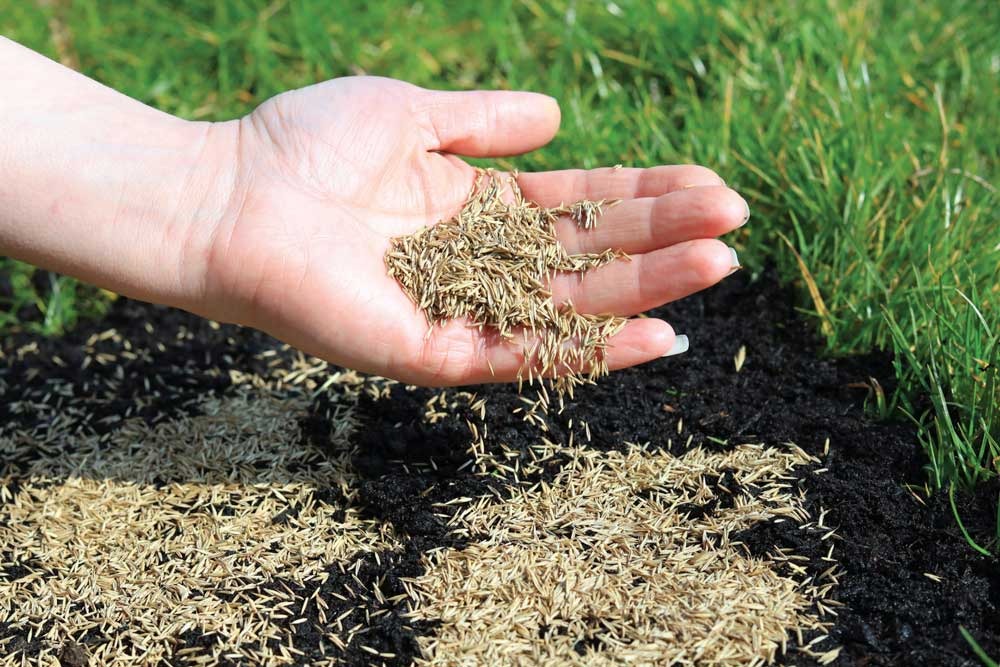
Overseeding simply means spreading new grass seed over your existing lawn. No tearing everything up. No expensive sod. Just fresh seed working its way in to fill the gaps, restore thickness, and bring back that healthy color.
It’s one of the most effective — and most overlooked — ways to improve a lawn without starting from scratch.
The best lawns don’t stay healthy by accident. They’re the result of consistent care and smart improvements made season after season. That’s why professional lawn care experts often recommend overseeding as a key part of any long-term lawn care plan.
If your lawn isn’t looking its best, overseeding might be the simple step that changes everything.
Table of Contents
What Is Overseeding?

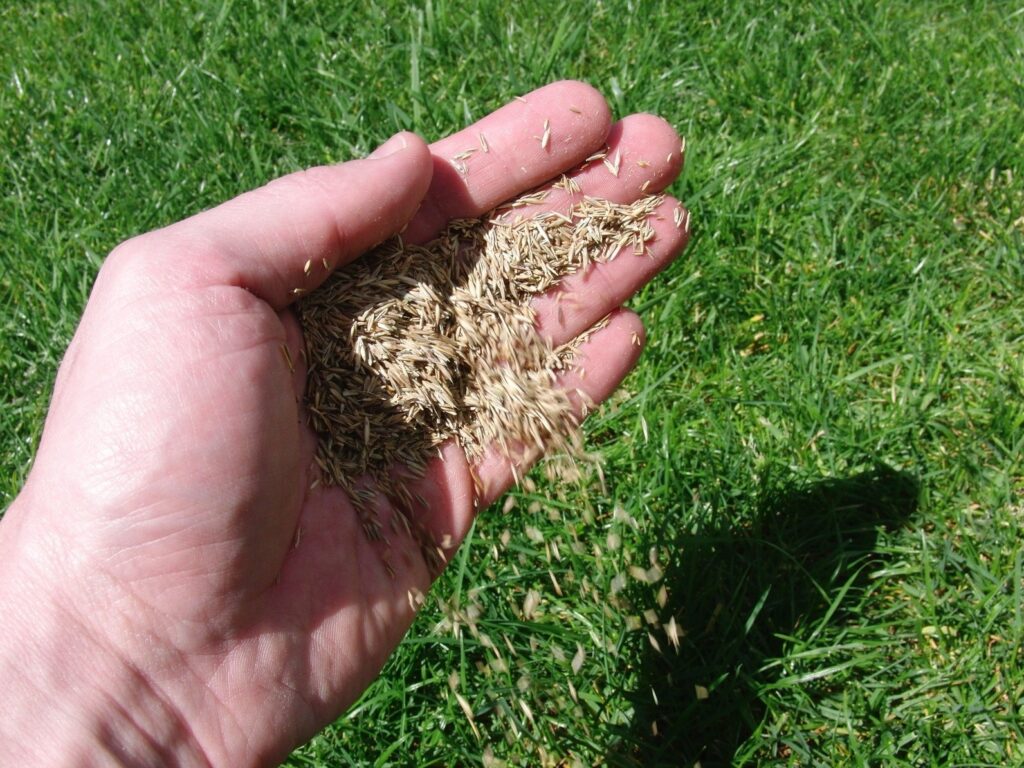
Overseeding is simple. It means spreading new grass seed directly over your existing lawn — without digging it up or removing what’s already there.
Think of it like filling in the gaps. Your lawn stays in place, and the new seed grows in alongside it, making the turf thicker and fuller over time.
How Is It Different From Other Options?
It helps to know how overseeding compares to two other common approaches:
- Reseeding means starting completely over. You remove the old lawn and plant fresh seed from scratch. It’s more work, more time, and more money.
- Sod replacement means laying down pre-grown grass in sheets. It gives fast results but comes at a high cost and still requires good soil underneath to work well.
- Overseeding is the middle ground. It works with what you already have, costs less, and can produce great results with the right preparation.
Why Do Lawns Need It?
Even a lawn that looks fine on the surface can slowly lose thickness over the years. Grass plants age just like everything else. Over time, heat, drought, heavy foot traffic, and compacted soil all wear the turf down. Grass thins out — sometimes so gradually you don’t notice until bare spots appear.
Newer grass seed varieties are also bred to be stronger, greener, and more resilient than older turf. Overseeding brings those improvements into your existing lawn without replacing it entirely.
The result? Denser, healthier grass — from the ground up.
Why Lawns Become Thin and Weak Over Time
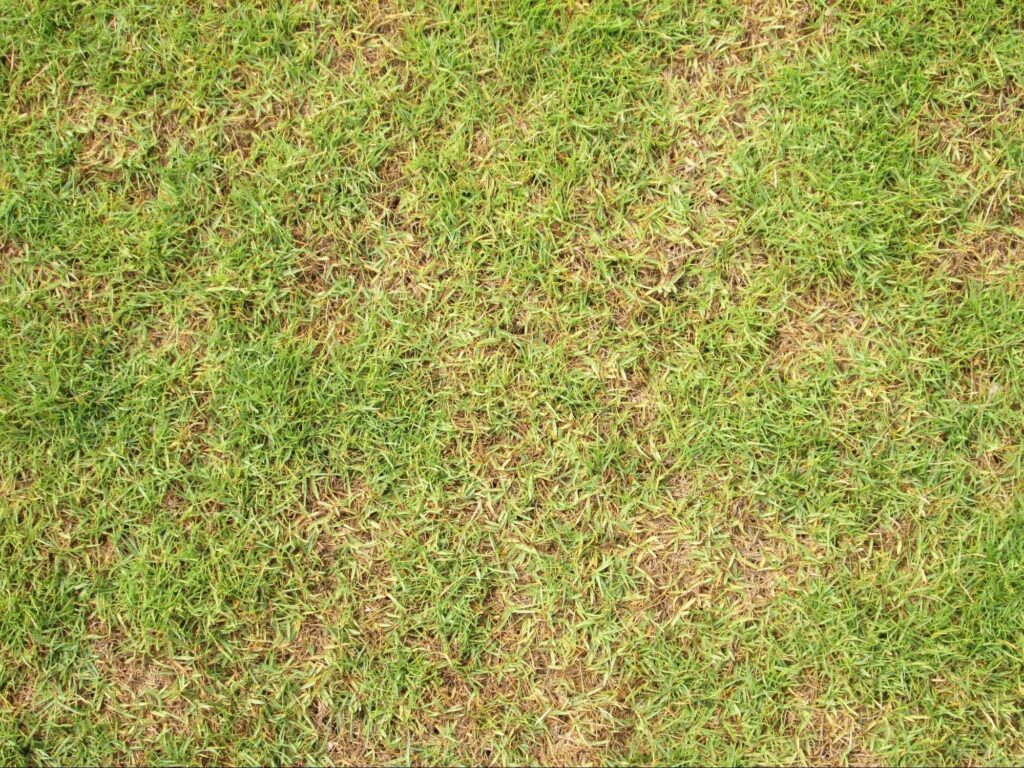
A lawn doesn’t go thin overnight. It happens slowly, little by little, until one day you look outside and wonder what went wrong. Most of the time, it’s not one big problem — it’s several small ones adding up.
Here’s what’s really going on:
Heat and Drought Stress: Summer is hard on grass. Long stretches of heat and dry weather push grass into survival mode. It stops growing, weakens at the roots, and struggles to bounce back — especially if summer after summer takes its toll.
Foot Traffic: Kids playing, pets running, and everyday yard use all press down on the same areas repeatedly. That constant pressure flattens and compacts the soil beneath the grass, making it harder for roots to breathe and spread.
Poor Soil Conditions: Compacted soil is like concrete for grass roots — there’s no room to grow. Without loose, healthy soil, roots stay shallow and weak. Shallow roots mean the grass dries out faster and struggles during any kind of stress.
Weed Competition: When grass thins out, it leaves open space. Weeds are very good at finding that space and taking over. Once weeds move in, they compete for water, sunlight, and nutrients — making it even harder for grass to recover on its own.
Aging Grass Plants: Grass plants don’t last forever. Older turf simply becomes less vigorous over time. It grows slower, recovers less easily, and can’t fill in bare spots the way younger, healthier grass can.
The Insight Most Homeowners Miss
When a lawn looks weak, the first instinct is usually to water more. But extra watering doesn’t fix thin turf or compacted soil — it just keeps struggling grass alive a little longer. The real issue is often that the lawn has lost density and root strength. That’s a problem only new grass growth can solve.
The Biggest Benefits of Overseeding

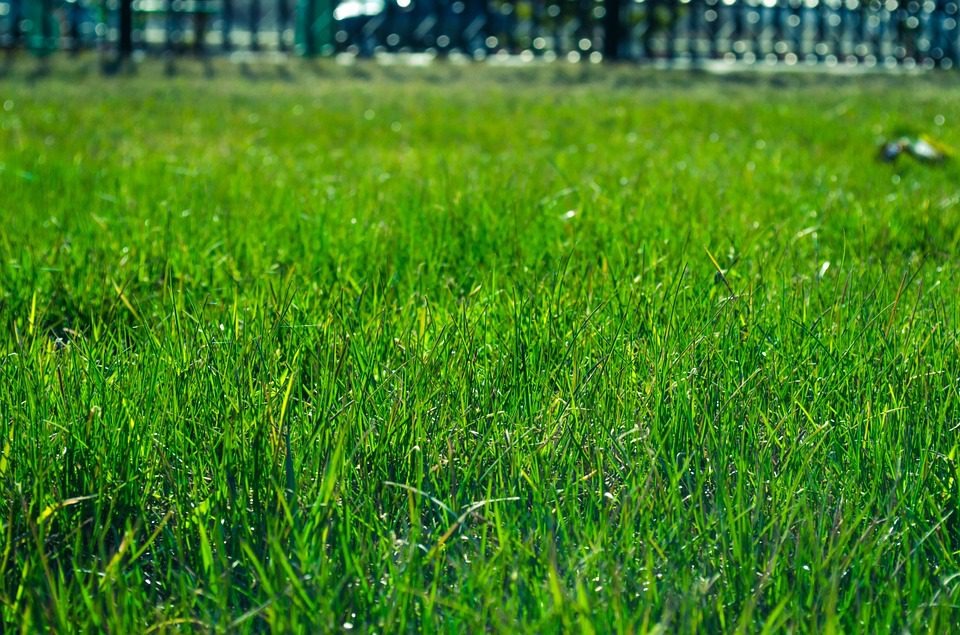
Most people overseed because they want their lawn to look better. That’s a great reason — but it’s only part of the story. Overseeding actually makes your lawn stronger from the inside out. Here’s what it does:
Creates a Thicker, Fuller Lawn: New grass seed fills in the sparse, patchy areas that make a lawn look worn out. As those seeds germinate and grow, they add density — more grass plants per square foot means a fuller, healthier-looking turf overall.
Improves Lawn Color: Newer grass varieties are bred to produce a deeper, richer green than older turf. When fresh seed grows in alongside aging grass, the color of your entire lawn gradually improves — without paint or chemicals.
Helps Prevent Weed Growth: Weeds need open space to grow. A thick, dense lawn leaves very little room for them. Overseeding is one of the most natural ways to push weeds out — simply by filling the gaps they rely on.
Increases Disease and Stress Resistance: Modern grass seed blends are developed to handle diseases, pests, and environmental stress better than older grass varieties. Introducing them through overseeding quietly upgrades your lawn’s ability to fight back.
Improves Drought Tolerance: Healthy, dense turf develops stronger and deeper root systems. Deeper roots reach moisture further down in the soil — which means your lawn holds up better during dry spells and hot summers.
Enhances Overall Lawn Recovery: After a tough season, overseeded lawns bounce back faster. New grass fills in damage from heat, foot traffic, or disease before small problems turn into big bare patches.
The Bottom Line
Overseeding isn’t just about looks. Every benefit listed above also protects your lawn from future problems. That’s what makes it both a cosmetic fix and a smart, preventative lawn care strategy — two results from one simple process.
When Is the Best Time to Overseed a Lawn?
Grass seed doesn’t grow on a schedule — it grows when conditions are right. Plant it at the wrong time and even the best seed will struggle. Timing is one of the most important parts of overseeding successfully.
Fall Is Usually the Best Time
For most lawns, early fall is the ideal window to overseed. Here’s why it works so well:
- Cooler temperatures mean the seed isn’t fighting heat stress while trying to germinate
- Better moisture from fall rains keeps the soil consistently damp — exactly what new seed needs
- Less weed competition because most weeds slow down or stop growing as temperatures drop
That combination gives new grass the best possible start with the least amount of competition.
Spring Overseeding Can Work Too
If fall wasn’t possible, spring is your next option. Grass seed can establish successfully in spring — but there’s a catch. Weeds also wake up in spring, and they grow fast. New grass seedlings are fragile, and weeds can quickly outcompete them for space and nutrients. If you overseed in spring, timing and follow-through matter even more.
Soil Temperature Is the Real Signal
Air temperature is easy to check, but soil temperature is what actually triggers germination. Most cool-season grasses germinate best when soil temperatures are between 50°F and 65°F. Too cold and the seed just sits there. Too hot and germination becomes unreliable.
A simple soil thermometer — available at most garden stores — takes the guesswork out completely.
Why Timing Changes Everything
Grass seed doesn’t fail on its own. It fails when conditions aren’t ready for it. The right timing means the seed lands in soil that’s warm enough to germinate, moist enough to support growth, and cool enough to avoid heat stress. Get that window right, and overseeding becomes much more predictable — and much more successful.
How to Overseed Properly for the Best Results

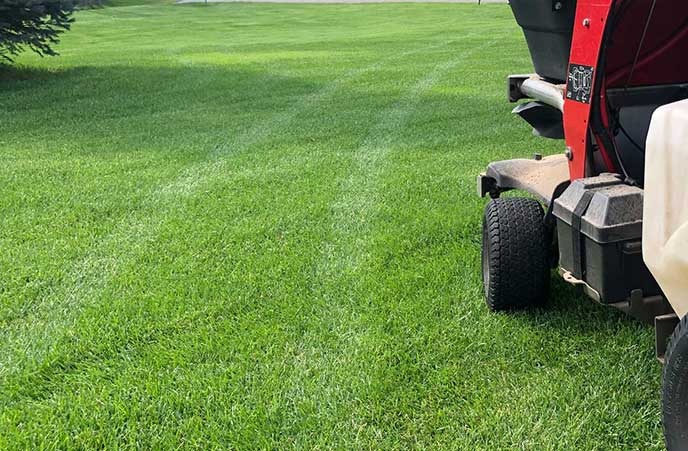
Overseeding isn’t complicated — but it does require the right steps in the right order. Skip a step and the results suffer. Follow them carefully and you give your lawn the best possible chance to thrive.
Step 1: Mow the Lawn Shorter: Before spreading any seed, mow your grass lower than usual. Shorter grass means less competition blocking sunlight from reaching new seedlings. It also helps seed fall closer to the soil surface instead of sitting on top of thick, matted turf where it can’t make proper contact.
Step 2: Aerate Compacted Soil: Aeration means poking small holes through the soil — or removing small plugs of it. This loosens compacted ground and opens up space for oxygen, water, and seed to reach deeper into the soil. Seed that lands in or near those holes has far better contact with the soil, which means much better germination.
Step 3: Choose the Right Grass Seed: Not all grass seed works in all climates. Some varieties do better in cool northern regions, others thrive in warm southern zones. Sunlight matters too — shady lawns need shade-tolerant seed. Using the wrong seed is one of the most common reasons overseeding disappoints. Match the seed to your specific conditions first.
Step 4: Spread Seed Evenly: Uneven spreading creates uneven results — thick in some spots, bare in others. Use a broadcast spreader for large areas or a handheld spreader for smaller patches. Walk in straight, overlapping lines to make sure every area gets consistent coverage.
Step 5: Water Consistently: New seed needs moisture to germinate — but not flooding. Light, frequent watering keeps the top layer of soil consistently damp without washing the seed away. Once or twice a day in short intervals is usually enough. Stay consistent until the new grass is visibly established.
Step 6: Limit Foot Traffic: Young grass seedlings are fragile. Foot traffic — even light walking — can crush new growth before it has a chance to root properly. Keep kids, pets, and lawn equipment off the overseeded areas for at least three to four weeks.
The Most Important Insight
Many homeowners focus all their attention on choosing the right seed — but preparation is what actually determines success. Aerated, properly mowed soil gives seed the environment it needs to germinate and grow. Without that foundation, even premium seed will underperform. Prepare the lawn right, and the seed does the rest.
Common Overseeding Mistakes Homeowners Make
Overseeding is straightforward — but a few common mistakes can quietly ruin the results. Knowing what to avoid is just as important as knowing what to do.
Overseeding Without Soil Preparation: Dropping seed onto hard, compacted soil is like planting on concrete. The seed sits on the surface, can’t make proper contact with the soil, and either dries out or washes away. Mowing short and aerating before you seed isn’t optional — it’s what makes everything else work.
Using Cheap or Incorrect Seed: Bargain seed often means poor germination rates and inconsistent growth. Worse, the wrong seed type for your climate or sunlight conditions may sprout weakly and fade quickly. Spend a little more on quality seed that’s matched to your lawn’s specific conditions — it pays off in the results.
Watering Too Much or Too Little: Both extremes hurt new seed. Too little water and the seed dries out before it can germinate. Too much water drowns the seedlings or washes seed away before roots can form. The goal is consistently moist — not soaked, not dry. Light watering once or twice daily is the right approach during germination.
Overseeding at the Wrong Time: Planting seed during peak summer heat puts it under stress from day one. Planting too late in fall means cold temperatures stop germination before roots can establish. Timing your overseeding to match the right soil temperature and season makes a bigger difference than most homeowners expect.
Applying Weed Control Too Soon: This is one of the most overlooked mistakes. Pre-emergent weed control products don’t just stop weed seeds — they stop all seeds, including your new grass. Applying weed control right before or after overseeding can prevent your seed from establishing at all. Always check product labels and timing carefully before combining treatments.
Expecting Instant Results: Overseeding is not a weekend fix. New grass takes time to germinate, root, and fill in. Depending on conditions, visible improvement can take several weeks. Homeowners who expect fast results often give up too soon or over-manage the lawn in ways that disrupt growth. Trust the process — the results come gradually and last much longer for it.
Why Professional Overseeding Often Produces Better Long-Term Results

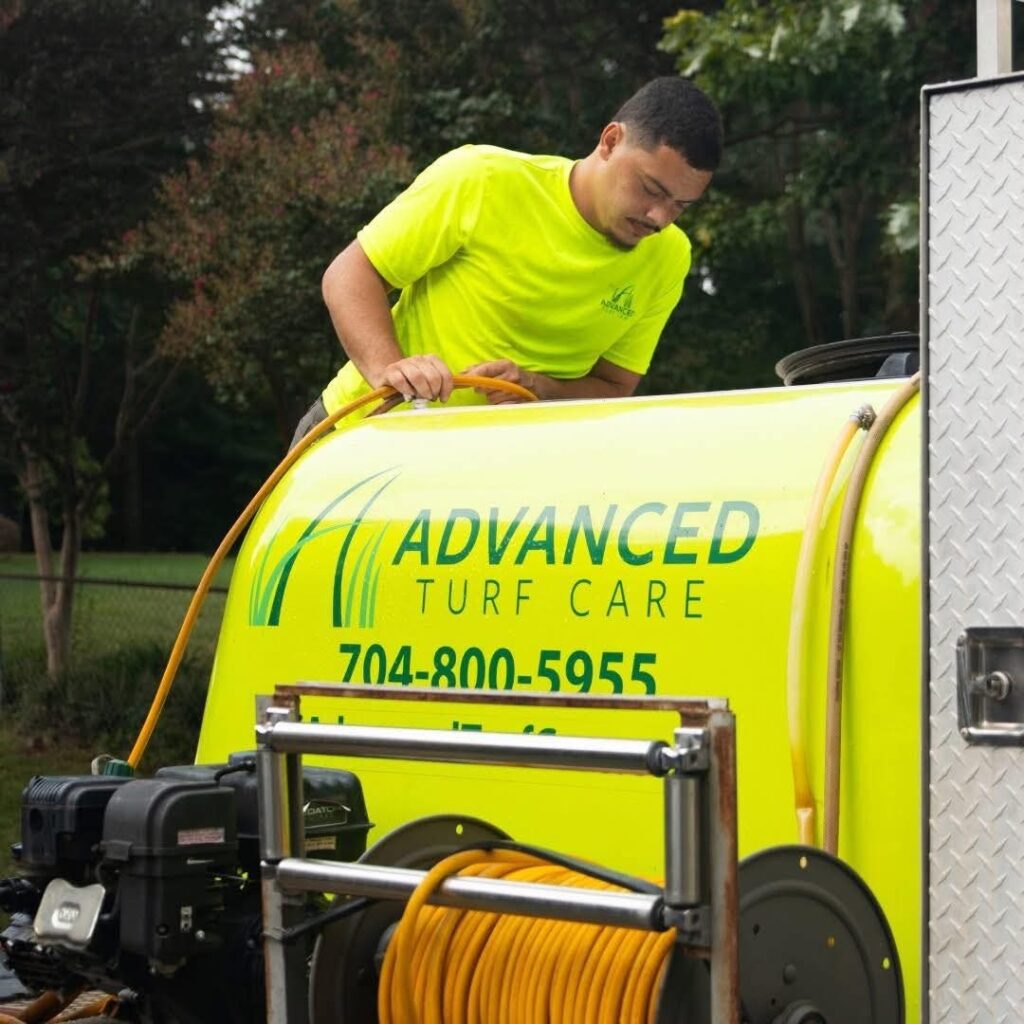
Overseeding is something many homeowners can do themselves — but getting consistently good, long-term results is harder than it looks. That’s because success depends on several things coming together at exactly the right time.
There’s More to It Than Spreading Seed
The difference between a patchy result and a genuinely thick, healthy lawn often comes down to four things:
- Timing — hitting the right window when soil temperature and moisture conditions support germination
- Soil preparation — making sure the ground is actually ready to receive and grow new seed
- Seed selection — choosing the right variety for your specific climate, soil type, and sunlight
- Lawn evaluation — understanding what’s actually causing thinning before deciding how to fix it
Missing any one of these is enough to reduce results significantly. Professionals assess all four before a single seed hits the ground.
A Complete Approach, Not Just Seed
Professionals rarely overseed in isolation. They typically combine it with aeration to open up compacted soil, fertilization to give new seedlings the nutrients they need to establish quickly, and seasonal lawn care strategies that protect the investment over time.
That combination doesn’t just improve germination — it creates the conditions for turf that stays thicker and healthier for years, not just one season.
When Professional Help Makes Sense
If you’ve overseeded before and didn’t get the results you hoped for, the process itself probably wasn’t the problem — the preparation and timing were. Many homeowners find that professional lawn overseeding services that include proper soil preparation and strategic seed selection produce far better long-term results than going it alone.
It’s not about doing something complicated. It’s about doing the right things in the right order — and that’s where experience makes a real difference.
Simple Tips to Keep Your Lawn Thick After Overseeding
Overseeding gives your lawn a fresh start — but what you do afterward determines how long those results last. A few simple habits, done consistently, make all the difference.
Mow Correctly: Once new grass reaches about 3 to 4 inches, resume regular mowing. Never cut more than one-third of the grass height at a time. Cutting too short stresses new turf before it’s fully established. Keep blades sharp — dull blades tear grass instead of cutting it cleanly.
Avoid Excessive Watering: Once new grass is visibly established, scale back watering. Deep, less frequent watering encourages roots to grow downward in search of moisture. Shallow, frequent watering does the opposite — it keeps roots weak and close to the surface where they’re vulnerable to heat and drought.
Fertilize Seasonally: New grass needs nutrients to grow strong. A seasonal fertilization schedule — typically fall and spring — feeds the turf at the times it grows most actively. Don’t skip this step. Nutrient-deficient grass thins out faster and recovers more slowly from stress.
Aerate Periodically: Soil compacts again over time, especially in high-traffic areas. Aerating once a year — ideally in fall — keeps the soil loose, improves root growth, and makes your lawn more receptive to future overseeding if needed.
Address Weeds Early: Don’t let weeds get comfortable. A thick lawn naturally resists them, but a few weeds left untreated can spread quickly and thin the turf out again. Spot-treat early before small problems become big ones.
Maintain Healthy Soil Conditions: Grass is only as healthy as the soil it grows in. Test your soil occasionally to check pH and nutrient levels. Balanced soil supports stronger roots, better color, and more resilient turf overall.
The Key Insight
Overseeding is not a one-time fix. It works best as part of a consistent lawn care routine. Think of it as one important step in an ongoing process — not the finish line. Lawns that stay thick and healthy year after year are maintained that way, season by season.
Conclusion
A thin, patchy lawn is frustrating — but it’s not a lost cause. It happens to almost every lawn eventually, and the good news is it’s very fixable.
Overseeding is one of the simplest, most effective tools a homeowner has. It improves density, restores that deep green color, strengthens the turf from the roots up, and naturally reduces the space weeds need to take hold. No tearing everything out. No starting over. Just fresh grass growing in where it’s needed most.
The biggest mistake most homeowners make isn’t choosing the wrong seed or watering incorrectly — it’s waiting too long. The longer a lawn is left to thin out, the harder and more expensive recovery becomes. A little attention each season goes much further than a major rescue effort every few years.
You don’t need a perfect lawn to start. You just need to start.
Whether you decide to overseed yourself or get help from a professional, the most important step is the same — take action before small problems become big ones. Your lawn responds to the care you give it. Consistent, thoughtful maintenance is what separates a lawn that slowly fades from one that stays thick, healthy, and green year after year.
That kind of lawn is more achievable than most homeowners think. And overseeding is one of the best places to begin.
-

-
-

-

-

-