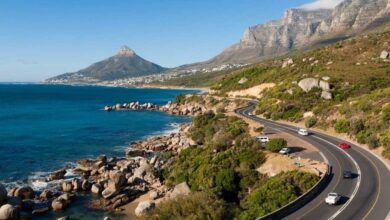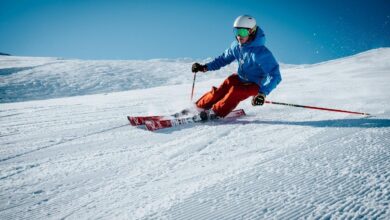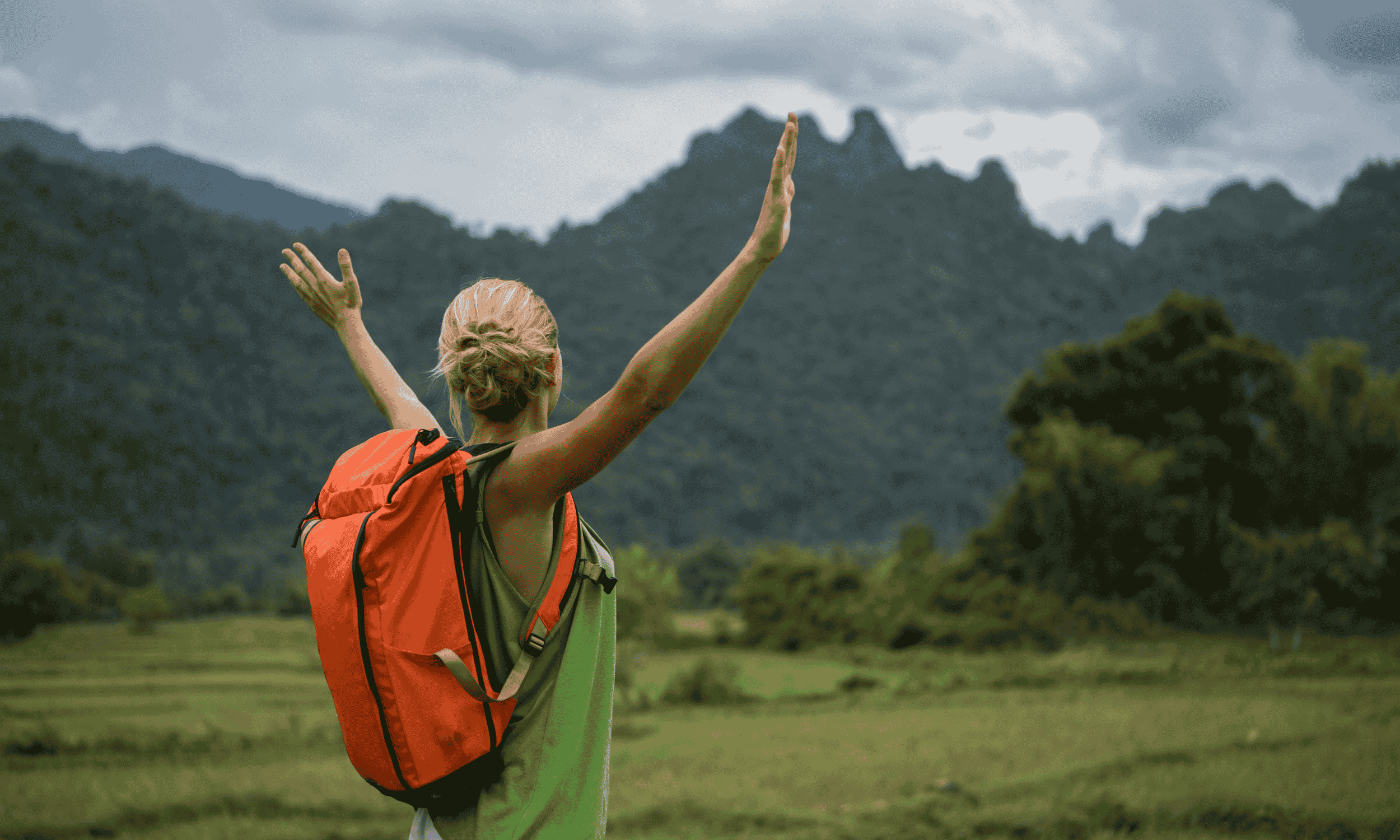
Travel is changing.
For decades, tourism was largely centered around landmarks, museums, shopping districts, and sightseeing tours. While those attractions remain important, modern travelers are increasingly seeking something different: experiences.
Today’s visitors want to do more than simply see a destination. They want to engage with it, create memories, and participate in activities that leave a lasting impression. This shift has given rise to what many industry experts call the “experience economy,” a trend that is transforming tourism markets around the world.
Toronto is one of the cities benefiting most from this evolution.
Table of Contents
The Rise of Experience-Based Tourism
Modern travelers, particularly younger generations, are prioritizing experiences over possessions. Instead of spending money solely on products or traditional attractions, many people now seek activities that provide excitement, adventure, and personal connection.


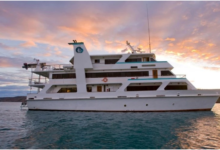
Popular experience-based travel activities include:
- Outdoor recreation
- Food and culinary experiences
- Adventure tourism
- Guided local tours
- Water sports
- Wellness retreats
These experiences often create stronger emotional connections than traditional tourism activities and are more likely to be shared through social media, helping destinations gain additional visibility.
Toronto’s Waterfront Advantage
Toronto has a unique advantage that many major cities lack: direct access to one of North America’s largest freshwater lakes.
The city’s waterfront provides opportunities for:
- Boating
- Paddleboarding
- Sailing
- Kayaking
- Waterfront dining
- Adventure tourism
As a result, the waterfront has become one of Toronto’s most valuable tourism assets.
Visitors can experience both the energy of a major metropolitan center and the natural beauty of Lake Ontario within the same day.
Why Water-Based Experiences Continue to Grow
Water recreation has become one of the fastest-growing segments of outdoor tourism.
Several factors contribute to this trend:
Accessibility
Many activities require little or no previous experience. This allows first-time participants to enjoy memorable adventures without a significant learning curve.
Visual Appeal
Waterfront activities naturally create highly shareable experiences. Scenic shorelines, city skylines, sunsets, and open water often become the centerpiece of social media content.
Escaping Urban Stress
Outdoor recreation offers a welcome contrast to busy city life. Spending time on the water can help reduce stress while encouraging people to disconnect from daily routines.
The Economic Impact of Adventure Tourism
Experience-based travel doesn’t just benefit visitors. It also generates meaningful economic activity.
Adventure tourism supports:
- Hotels
- Restaurants
- Transportation providers
- Retail businesses
- Tourism operators
- Local service providers
When visitors participate in outdoor activities, they frequently extend their stay and spend money throughout the surrounding community.
This creates a multiplier effect that helps strengthen local economies.
Lake Simcoe’s Growing Popularity
As Toronto’s tourism market evolves, nearby destinations are benefiting as well.
Lake Simcoe has emerged as one of Ontario’s most popular recreational destinations due to its:
- Proximity to Toronto
- Large open-water areas
- Scenic shorelines
- Recreational opportunities
- Cottage country atmosphere
Many travelers looking for outdoor adventure now combine Toronto visits with day trips or weekend excursions to the region.
Activities such as boating and jet skiing have become particularly popular among visitors seeking active experiences rather than passive sightseeing.
For travelers interested in exploring Ontario’s waterways, options such as jet ski rental in Toronto provide an accessible way to experience the region from a completely different perspective.
Technology Is Making Adventure More Accessible
Technology has played a major role in the growth of outdoor recreation.
Today’s travelers can:
- Research activities online
- Compare providers
- Book instantly
- Access digital waivers
- Plan routes and itineraries
These conveniences have helped introduce outdoor activities to new audiences that may never have considered them previously.
The result is a broader and more diverse tourism market.
Sustainability and Responsible Recreation
As outdoor tourism grows, responsible recreation becomes increasingly important.
Participants can help preserve natural environments by:
- Following local regulations
- Respecting wildlife habitats
- Avoiding littering
- Supporting environmentally responsible operators
- Practicing safe boating and watercraft operation
Long-term tourism success depends on protecting the natural resources that attract visitors in the first place.
Looking Ahead
The future of tourism increasingly revolves around participation rather than observation.
People want to explore, experience, and connect with destinations in meaningful ways. Cities and regions that provide opportunities for active recreation are well-positioned to benefit from this shift.
Toronto’s combination of urban culture, waterfront access, and nearby recreational destinations makes it an ideal example of how experience-based tourism can drive growth.
As consumer preferences continue evolving, adventure-focused activities and outdoor experiences will likely play an even larger role in shaping the future of travel.
For travelers seeking a unique way to experience Ontario’s waterways, opportunities such as jet ski rental in Toronto represent the broader trend toward immersive, memorable, and experience-driven tourism.