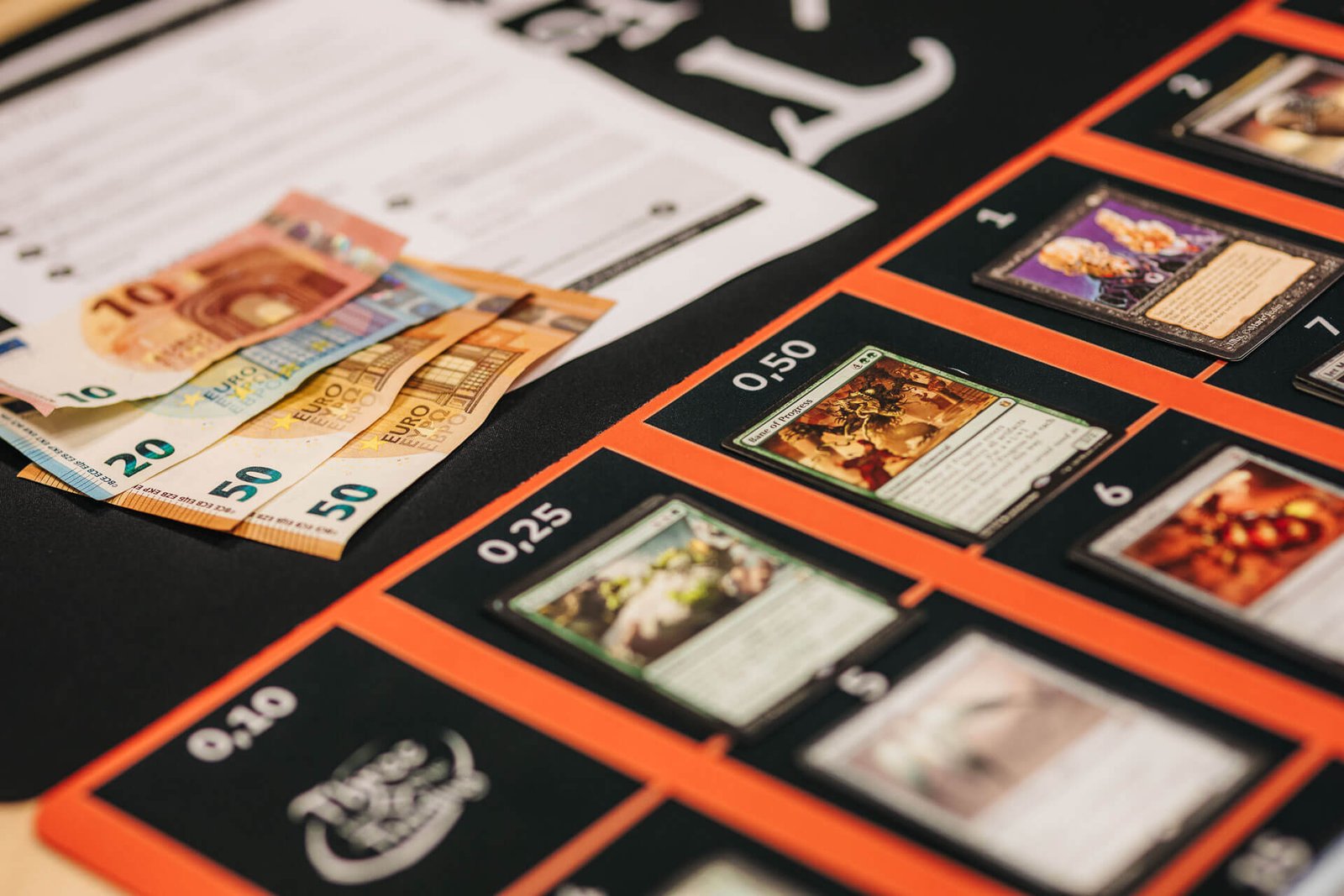
Rarity symbols on a Magic card tell only part of the story, and relying on them alone leads to consistently inaccurate expectations about what a collection is worth. A card marked mythic rare from a set that got overprinted or fell out of competitive relevance can be worth less than a common from an older, more scarce printing that collectors still actively seek. Anyone looking to sell magic cards benefits from understanding that print run size, tournament format legality, and current deck archetypes matter more than the rarity symbol printed on the card itself.
Format legality shifts constantly as the game’s competitive scene evolves, and a card banned from Standard or Modern play can lose substantial value the moment an official ban announcement drops, regardless of how powerful the card remains in casual play. Conversely, a previously overlooked card can spike dramatically in price when deck builders discover a new synergy that makes it central to a winning strategy. This volatility means a collection assembled even a few years ago may contain cards whose value has shifted significantly since the owner last checked pricing, in either direction.
Condition Grading for Cards Follows Its Own Distinct Standards
Cards use grading terminology separate from what collectors might recognize from comics or other collectibles — near mint, lightly played, moderately played, heavily played, and damaged each represent specific, visually distinguishable tiers that significantly affect resale value. A card with minor edge whitening might drop from near mint to lightly played, a distinction some sellers dismiss as negligible but that buyers price according to established market standards. Cards stored loose in binders without protective sleeves often show wear that a casual owner wouldn’t notice until a buyer points out specific damage during evaluation.
Foil versus non-foil printings of the same card frequently carry different valuations, and older foil cards in particular can develop curling or print line defects that non-foil versions never experience, adding another layer of condition assessment specific to this category. First-edition and alternate-art printings introduce further complexity, since visually similar cards from different print runs can carry substantially different values despite looking nearly identical to an untrained eye. Sellers unfamiliar with these distinctions sometimes undervalue their own collection by assuming all copies of a given card name are interchangeable.
Selling a Full Collection Beats Cherry-Picking Individual Cards
Collections built over years of casual or competitive play typically mix genuinely valuable cards with substantial quantities of commons and bulk-rate cards worth very little individually. Sellers who try to identify and sell only the obviously valuable cards themselves, while discarding or keeping the rest, often miss cards whose value isn’t obvious without specialized knowledge of current competitive formats and pricing trends. A card that looks unremarkable to a casual player might be central to a niche competitive strategy that keeps demand and price elevated despite the card’s unglamorous appearance.
Bringing an entire collection in for evaluation, rather than pre-sorting based on assumptions about what matters, tends to surface value that would otherwise go unnoticed. This matters particularly for players who built collections during a specific era of the game and haven’t kept up with how competitive formats and card values have shifted since. Working with a buyer who evaluates the full collection at once, checking each card against current market data rather than outdated personal assumptions, produces a more accurate result than attempting to research and price hundreds of individual cards independently before deciding what’s worth bringing in at all.