Working from home has shifted from a temporary arrangement to a permanent professional setup for millions of Americans. With that shift comes the practical reality of managing a workspace that has to function as seriously as any office environment. Clutter, misplaced tools, and disorganized drawers are not minor inconveniences — they interrupt concentration, slow down tasks, and create low-grade friction that compounds throughout the workday. For people who depend on their home office to produce consistent output, the quality of the physical workspace directly affects the quality of the work. Drawer organization, in particular, often gets treated as an afterthought, when it is actually one of the more controllable factors in maintaining a productive and reliable workspace.
Table of Contents
What Makes a Desk Drawer Organizer “Custom” — and Why It Matters
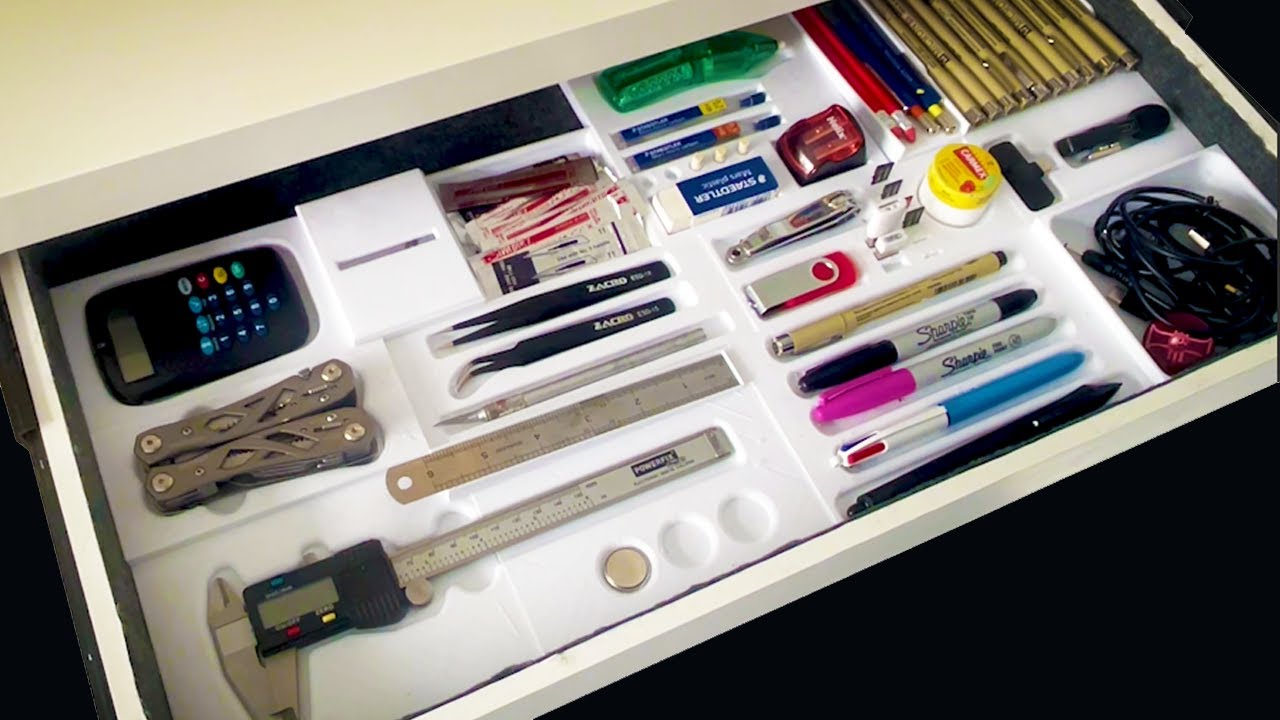
A custom desk drawer organizer is not simply a tray with compartments dropped into a drawer. The distinction between a generic insert and a custom solution comes down to fit, configuration, and intent. Generic organizers are designed around average drawer dimensions and average user needs, which means they rarely match either precisely. A custom organizer, by contrast, is built or configured to match the specific interior dimensions of your drawer and the specific items you store in it. This matters because even a modest gap between an organizer and the drawer wall allows items to shift, slide, and end up where they do not belong. Over time, that movement undoes whatever organization you have tried to establish.
For anyone researching options in this category, a reliable starting point is a curated selection of custom desk drawer organizer options that reflect genuine variety in materials, configurations, and sizing — rather than a single off-the-shelf model applied to every situation.
The Difference Between Fit and Approximate Fit
Many organizers sold as “adjustable” use sliding dividers or modular sections that can be repositioned. While this offers flexibility, it also introduces instability. Dividers that are held in place by friction or tension tend to shift under regular use, particularly in drawers that are opened and closed dozens of times daily. A true custom fit — whether achieved through made-to-measure products or through careful selection of fixed-dimension inserts — eliminates that movement entirely. The drawer functions as a unified system rather than a collection of loosely placed parts.
Configuration Based on What You Actually Store
The items that belong in a home office desk drawer vary significantly from one person to the next. A designer working with physical tools and media has different storage needs than an accountant managing paper documents, sticky notes, and writing instruments. Choosing a custom organizer means identifying not just categories of items, but the actual volume, frequency of use, and access patterns for each. Items used multiple times per day should be in the most accessible positions. Items used occasionally should not occupy prime drawer real estate. This kind of intentional configuration is only possible when the organizer is selected or built around your specific inventory, not a generic list of what most people keep in a desk.
Material Choices and Their Long-Term Implications
The material of a desk drawer organizer affects more than appearance. It determines how the organizer holds up over years of daily use, how it handles the weight of stored items, how easy it is to clean, and whether it maintains its structure as the drawer is used. These are practical concerns that become more important the longer you use the same workspace configuration.
Wood and Bamboo Organizers
Solid wood and bamboo organizers offer rigidity and a stable base for heavier items like staplers, tape dispensers, and small tools. They do not flex under pressure, which means compartment walls stay in place and items remain where they are positioned. The trade-off is that wood and bamboo can be affected by humidity and temperature changes over time, which is relevant in regions of the US with significant seasonal variation. If your home office is in a space that experiences temperature swings — a converted garage, a basement, or a room without consistent climate control — wood organizers may require some attention over the long term.
Plastic and Acrylic Organizers
Plastic organizers are lightweight, moisture-resistant, and easy to clean. Acrylic versions offer visual clarity that makes it easier to see the contents of each compartment at a glance, which can reduce the time spent searching for items. The concern with lower-quality plastic options is brittleness over time, particularly at joints and corners. Thicker, injection-molded plastic tends to hold up better under consistent use than thinner vacuum-formed alternatives. Acrylic, while visually appealing, can scratch with repeated contact from metal objects like scissors or staple removers, which becomes a cosmetic issue but rarely a structural one.
Felt-Lined and Fabric Inserts
Felt-lined inserts are common in desk drawers that store items requiring gentle handling — pens with soft tips, eyeglasses, or sensitive electronics accessories. The lining reduces friction and prevents items from sliding freely. However, felt absorbs dust and debris over time and can be difficult to clean thoroughly. Fabric inserts serve a similar purpose but may offer more variety in texture and color. Both options work well in drawers that do not experience heavy daily use or items with sharp edges that could snag the material.
How Drawer Location Shapes Organizer Selection
Not all desk drawers serve the same function, and the position of a drawer within a desk structure should influence the type of organizer placed inside it. A shallow top drawer typically holds frequently accessed items and benefits from a flat, well-divided organizer that keeps everything visible and within reach. A deeper side drawer may be better suited to storing grouped items in upright configurations — notepads standing vertically, folders arranged by project, or cables coiled in separated slots. Treating each drawer as its own system, rather than filling all drawers with the same type of organizer, produces a more functional desk overall.
Ergonomics and Access Patterns
The principles of ergonomic workspace design emphasize that the most frequently used items should require the least physical effort to reach. This applies directly to drawer organization. If you reach into your top drawer dozens of times per day, the organizer inside should position your most-used items at the front and in compartments that do not require you to push other items aside. Poor placement of a high-frequency item — forcing you to search or shift objects repeatedly — creates cumulative strain that is easy to overlook but real in its effect over a full workday.
Evaluating Quality Before Purchasing
Buying a desk drawer organizer without handling it first is common, particularly with online purchases. This makes it important to know what quality indicators to look for in product descriptions, materials listings, and construction details before committing to a choice.
• Corner joints and seams should be described as glued, dovetailed, or injection-bonded — not simply pressed together, which weakens with use.
• Base thickness matters more than overall height; a thin base allows flex under the weight of stored items, which eventually causes the organizer to warp or crack.
• Compartment walls that are too thin will not hold their shape when items are pressed against them repeatedly over time.
• Non-slip feet or a grip base prevent the organizer from shifting inside the drawer, which is especially important in drawers with smooth interior surfaces.
• Finishing quality on wood products should include sealed edges, which reduce moisture absorption and prevent splitting at corners.
Sizing a Custom Organizer Accurately
Accurate measurement is the single most important step in selecting an organizer that will function as intended. The interior dimensions of a desk drawer are rarely what they appear from the outside. Drawer walls have thickness, slides and runners take up lateral space, and some drawers taper slightly toward the back. Measuring the interior at the widest and narrowest points — front to back and side to side — gives a realistic picture of the available space. An organizer that is even slightly too wide will not seat properly and will bow inward, compromising the compartment structure. An organizer that is too narrow will shift freely with each drawer movement.
Accounting for Drawer Hardware
Many home office desks use undermount or side-mount slides that protrude slightly into the drawer cavity. A custom desk drawer organizer that does not account for this hardware will sit unevenly or fail to lie flat. Before measuring, check whether any hardware, brackets, or guides are present on the interior sides or bottom of the drawer, and factor that into both the width and the depth measurements. This small step prevents the frustration of receiving an organizer that technically fits the stated drawer dimensions but does not sit correctly in the actual space.
Maintenance and Long-Term Usability
An organizer that is difficult to clean will eventually be neglected. Desk drawers accumulate eraser debris, paper dust, ink residue, and small debris over time. An organizer with deep, narrow compartments that cannot be easily wiped or vacuumed becomes a collection point for that debris rather than a clean storage system. When evaluating any custom desk drawer organizer, consider how it will be cleaned in practice — whether the compartments are accessible, whether the material can handle a damp cloth without warping, and whether the organizer can be removed from the drawer entirely for occasional thorough cleaning.
Conclusion
Choosing a desk drawer organizer for a home office is a decision that has a longer tail than it appears. The right choice, made carefully, produces a drawer that functions consistently for years without requiring adjustment, reorganization, or replacement. The wrong choice — made quickly on the basis of price or appearance alone — introduces the same low-grade friction it was supposed to eliminate. Taking the time to measure accurately, understand the materials involved, consider the specific items being stored, and evaluate construction quality before purchasing is not excessive. It is the practical approach to a small decision that affects daily work in a direct and ongoing way. A well-organized drawer is not a luxury in a home office. It is part of a workspace infrastructure that either supports productive work or quietly undermines it.
-

-

-

-

-

-