Digital advertising has reshaped how brands communicate in public spaces, especially in high-traffic outdoor environments. As audiences become more accustomed to dynamic content and real-time messaging, outdoor displays have evolved beyond static formats. An outdoor led billboard plays a central role in this transformation, offering flexibility, visibility, and adaptability that align with modern advertising strategies across the United States.
Table of Contents
The shift from static to digital outdoor advertising
Traditional outdoor advertising relied on printed visuals that remained unchanged for long periods. While this approach once delivered consistent exposure, it lacks the responsiveness required in today’s fast-moving media landscape. Digital formats allow brands to update messages instantly, making outdoor advertising more aligned with current events, promotions, and audience behavior.
Outdoor LED billboards represent this shift by enabling dynamic content that reflects the pace of modern communication. Instead of one fixed message, advertisers can rotate multiple visuals, videos, or animations, increasing the effectiveness of a single location.
Enhancing visibility in crowded urban environments
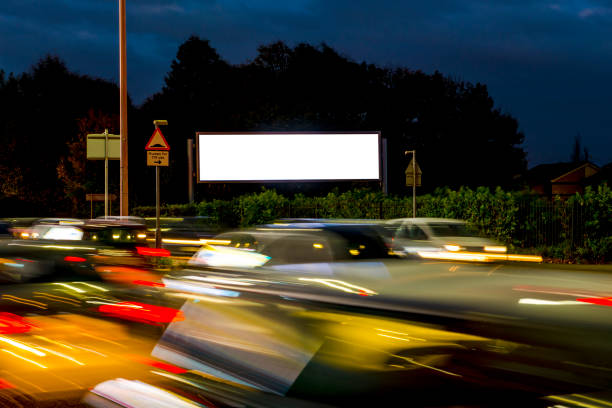
Urban areas are filled with competing visual stimuli. Buildings, signage, vehicles, and mobile screens all vie for attention. LED billboards stand out because of their brightness, contrast, and motion, which naturally draw the human eye.
Designed for outdoor use, these displays remain visible under direct sunlight and in changing weather conditions. This reliability ensures that advertising messages are consistently delivered, whether during peak daytime hours or after dark.




High-impact visuals for short attention spans
In outdoor settings, audiences often have limited time to engage with content. LED billboards support high-impact visuals that communicate messages quickly and clearly. Bold imagery, short text, and smooth transitions help ensure that messages are understood within seconds, which is essential for roadside or pedestrian-facing installations.
Supporting dynamic and time-based advertising strategies
One of the most important roles of LED billboards in digital advertising is their ability to support time-based content. Advertisers can schedule different messages throughout the day, targeting specific audiences during peak traffic times.
For example, a brand may display commuter-focused messaging in the morning and leisure-oriented content in the evening. This adaptability increases relevance and allows campaigns to align more closely with real-world behavior, something static billboards cannot achieve.
Integration with broader digital campaigns
Modern advertising rarely exists in isolation. Outdoor LED billboards can be integrated into larger digital marketing strategies, complementing online, social media, and mobile campaigns. Consistent visuals across channels help reinforce brand recognition and messaging.
This integration allows outdoor advertising to act as a physical extension of digital campaigns. QR codes, social media prompts, or hashtag-driven content can be displayed to encourage interaction and cross-platform engagement, bridging the gap between physical and digital spaces.
Data-driven messaging and performance optimization
Advancements in digital advertising have increased the importance of data. LED billboards can support data-driven content strategies by aligning messaging with analytics such as traffic patterns, time of day, or audience demographics.
By adjusting content based on performance insights, advertisers can continuously refine their approach. This flexibility transforms outdoor advertising from a static placement into an adaptable communication channel that evolves alongside campaign goals.
Cost efficiency through content flexibility
Although the initial investment in LED billboard technology may be higher than traditional signage, long-term cost efficiency is a key advantage. Digital content eliminates the recurring costs associated with printing, installing, and removing physical advertisements.
A single LED billboard can host multiple campaigns over time without additional material costs. This makes it easier for brands to test different messages, respond to market changes, and update content without logistical delays.
Strengthening brand presence and recall
Repeated exposure plays a significant role in brand recall. LED billboards enhance this effect by combining repetition with variation. While core brand elements remain consistent, visuals can change to maintain interest and prevent audience fatigue.
Motion and high-quality visuals also contribute to stronger memory retention. Viewers are more likely to remember animated or video-based content than static images, making LED billboards a valuable tool for building long-term brand awareness.
Adaptability across industries and use cases
Outdoor LED billboards are used across a wide range of industries, from retail and entertainment to transportation and public information. Their adaptability allows them to serve multiple purposes, including advertising, announcements, and community messaging.
This versatility makes them suitable for both commercial and informational use, expanding their role beyond traditional advertising into broader communication strategies within public spaces.
Alignment with smart city and digital infrastructure trends
Cities across the United States are increasingly investing in smart infrastructure and digital integration. LED billboards align with this trend by supporting centralized content management and remote control.
As part of connected urban environments, these displays contribute to more responsive and efficient communication networks. Their ability to deliver timely information makes them valuable not only for advertisers but also for cities looking to modernize public communication.
A foundational element of modern outdoor advertising
Outdoor LED billboards have become a foundational element in modern digital advertising due to their flexibility, visibility, and integration capabilities. They support real-time messaging, align with data-driven strategies, and enhance brand presence in competitive outdoor environments.
By replacing static formats with dynamic visual communication, LED billboards redefine how brands engage audiences in public spaces, reflecting the evolving expectations of consumers and the ongoing shift toward more responsive, digitally driven advertising approaches.