Most warehouse managers encounter the same problem when budgeting for a racking project: the number they planned around rarely matches the final invoice. Not because vendors are dishonest, but because the full scope of what installation actually involves is routinely underestimated at the planning stage. Equipment costs are visible. Labor, site preparation, compliance requirements, and downtime are not always factored in with the same discipline.
Across distribution centers, manufacturing facilities, and fulfillment operations in the US, racking projects are often treated as straightforward procurement decisions. A manager identifies a storage need, gets a quote for the hardware, and assumes installation is a predictable add-on. In practice, the installation phase carries its own set of variables that can shift budgets, timelines, and operational readiness in ways that are worth understanding before a project begins.
This breakdown is not about discouraging investment in warehouse storage infrastructure. It is about giving warehouse managers and operations leaders an honest picture of where costs originate, what drives them up, and how decisions made early in the process affect outcomes months later.
Table of Contents
What Installation Actually Includes — and What Gets Left Off the Initial Quote
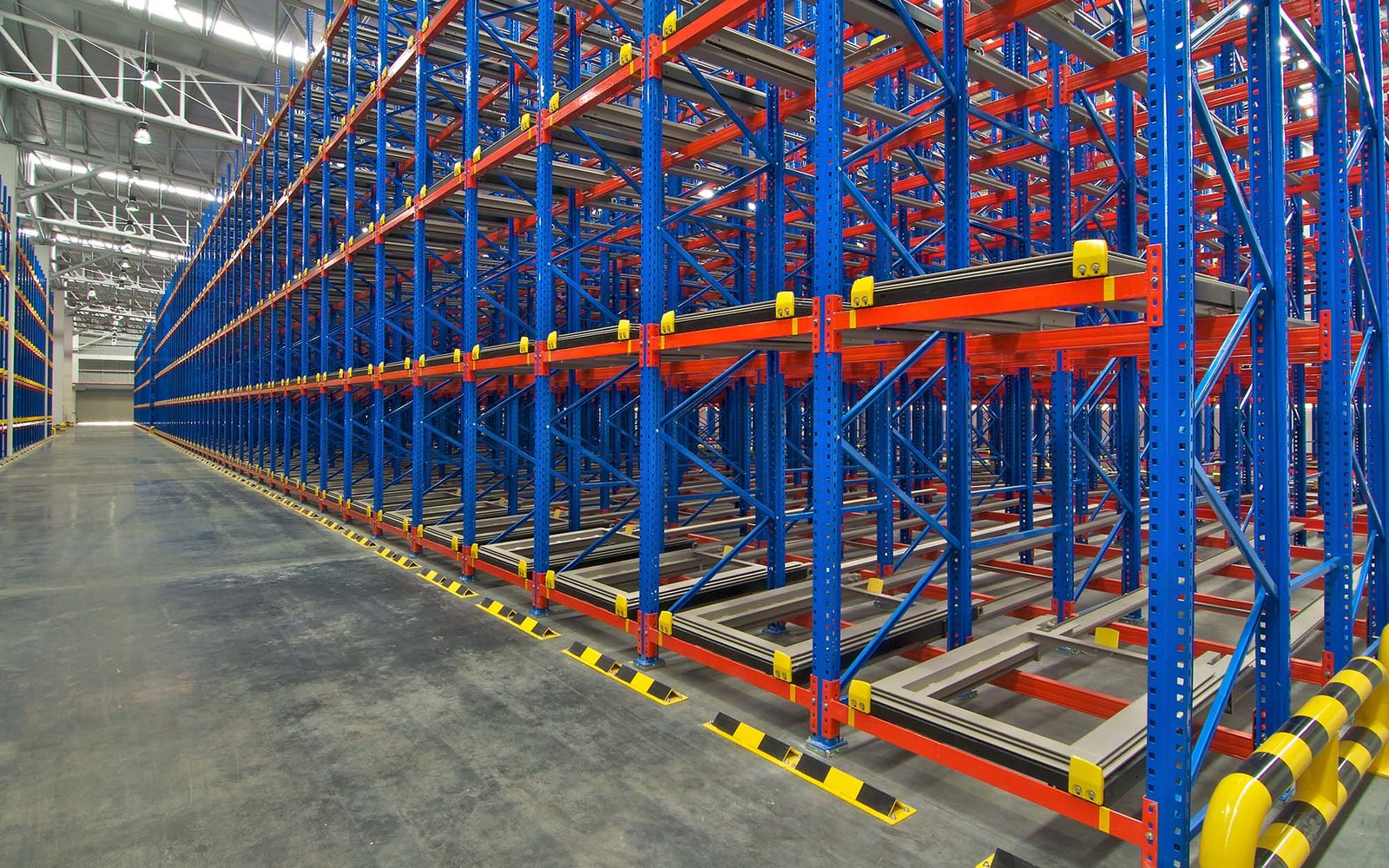
The most consistent gap in racking project budgets is the difference between what a quote covers and what a complete installation requires. Professional pallet racking installation services encompass far more than assembling frames and beams on a warehouse floor. When managed properly, they include site assessment, floor condition evaluation, anchor bolt selection based on concrete specifications, load capacity planning, bay layout design, safety compliance checks, and post-installation inspection. Each of these components carries its own cost, and each is necessary for a system that will perform safely under daily operational stress.
What often appears in initial quotes is the labor to assemble and position pre-specified racking components. What does not always appear is the time required to assess whether the existing floor can support the intended load, whether local code compliance requires engineering sign-off, or whether the facility’s existing column grid and fire suppression layout will affect where racking can actually be placed.
For warehouse managers reviewing vendor proposals, understanding this distinction is the most practical way to avoid cost overruns. Asking vendors specifically what their quote excludes — not just what it includes — tends to surface the gaps faster.
Site Conditions That Change the Scope
Floor quality is one of the most overlooked cost drivers in racking installation. Concrete that has settled unevenly, has existing cracks, or was poured without the load tolerances appropriate for heavy racking systems may require remediation before installation begins. This is not a rare situation. Many warehouses were built for general storage and are later repurposed for denser, heavier racking configurations. When floor conditions require patching, leveling, or additional engineering review, those costs fall outside a standard installation quote and must be addressed before any racking is anchored.
Column positioning within the facility structure also matters. Existing structural columns often interrupt the ideal bay spacing for pallet racking. When a layout has to work around those constraints, the number of usable bays may decrease, or custom configurations may be required — both of which affect cost and require more time from the installation crew.
Compliance and Engineering Sign-Off
Depending on the state and municipality, warehouse racking installations above a certain height or load threshold may require a stamped engineering drawing and permit. California, for example, has seismic design requirements that affect how racking systems must be anchored and braced. Florida and other coastal states have wind load considerations for structures that are partially open or adjacent to loading dock areas. These compliance requirements are not optional, and they carry their own costs in the form of engineering fees, permit applications, and in some cases, third-party inspection.
The Occupational Safety and Health Administration’s guidelines for warehouse storage systems, available through OSHA’s storage safety resources, outline employer obligations related to load capacities, signage, and ongoing inspection. These requirements exist independently of local building codes and apply to most commercial warehouse environments regardless of facility size.
Labor Costs and What Drives Them in Practice
Labor is the most variable component of any installation budget. The range between the lowest and highest labor quotes for comparable projects can be significant, and understanding what drives that range matters more than trying to simply select the lowest number.
Crew experience affects speed, which affects cost. An experienced installation team working in a facility with clear access, level floors, and a well-organized layout will complete the same square footage of racking faster than a less experienced crew navigating complications. Slower work hours cost more when labor is billed by the day or week. This is worth considering when evaluating quotes from vendors whose rates appear lower on paper but whose project timelines are longer.
Phased Installation and Operational Continuity
Many facilities cannot shut down for a full installation. Active distribution operations, cold storage environments, and fulfillment centers handling daily shipments often require that installation happen in phases — one section at a time — while the rest of the facility continues running. Phased installation preserves operational continuity but extends the overall project duration, which increases total labor hours and requires more scheduling coordination.
The cost of phased installation is real, but so is the cost of stopping operations entirely. Warehouse managers evaluating this tradeoff should factor in not just the difference in installation cost, but the revenue or fulfillment impact of a complete shutdown versus a phased approach. In most active facilities, phased installation — while more expensive on a per-hour basis — costs less overall when operational impact is included in the calculation.
Removal and Disposal of Existing Systems
When a racking project involves replacing or reconfiguring an existing system, the removal of old components adds scope that is easy to forget in early budget conversations. Dismantling existing racking, sorting reusable components from scrap, and disposing of damaged or obsolete material all require labor time and, in some cases, haul-away fees. If the old system includes damaged uprights or beams that need to be handled carefully due to structural instability, removal can take longer than the new installation itself.
Managers who have been through previous racking projects tend to account for this. Those planning their first major system upgrade often do not, and the oversight creates mid-project budget pressure that is difficult to resolve once crews are on-site.
Hidden Costs That Surface After Installation
Some of the most consequential costs in a racking project do not appear during installation at all. They surface during the first months of operation, when gaps in planning or execution start affecting how the system actually performs.
Pallet racking that was installed without proper load signage — as required by most state and local codes — creates a compliance liability that will be identified during any inspection. Correcting it after the fact requires signage orders, hardware, and additional labor. Racking that was anchored without the correct bolt specification for the floor thickness may develop stability issues under sustained load. These problems are correctable, but correction costs more than getting it right during the original installation.
Ongoing Inspection and Damage Management
Once a racking system is in operation, it is subject to forklift contact, overloading, and incremental damage that accumulates over time. A system that was installed correctly still requires a regular inspection schedule to catch damage before it becomes a safety issue. The cost of periodic rack inspection — whether performed internally or by a third party — should be factored into the total cost of ownership, not treated as a separate line item that only gets addressed after an incident.
Facilities that do not maintain a documented inspection process tend to discover damage reactively, after a beam has been significantly bent or an upright has been compromised. At that point, the cost includes not just the component replacement but potential downtime while the damaged section is taken out of service and assessed.
How to Evaluate Quotes Without Underbuying or Overpaying
Getting accurate, comparable quotes for pallet racking installation requires asking vendors to quote against the same scope. This sounds straightforward but rarely happens without deliberate effort. Vendors working from general project descriptions will make different assumptions about floor conditions, compliance requirements, phasing, and removal — and those assumptions will produce quotes that cannot be meaningfully compared.
A more reliable approach is to develop a scope document before requesting quotes. The document should specify the facility’s floor condition, the installation timeline, whether phasing is required, whether removal of existing racking is included, and what compliance documentation will be required at project close. Vendors quoting against a shared scope produce numbers that reflect the same work, which makes cost differences easier to evaluate on their actual merits.
Price is one factor. Experience with similar facility types, the quality of post-installation documentation, and the vendor’s process for handling mid-project complications are equally relevant. A lower quote from a crew that has not managed a phased installation in an active facility carries more risk than a higher quote from one that does it regularly.
Closing Perspective: What an Honest Budget Actually Looks Like
The real cost of racking installation in the US is not a single number. It is a range shaped by facility conditions, compliance requirements, operational constraints, labor quality, and the decisions made before the first crew arrives on-site. Managers who plan around the equipment cost alone tend to encounter the rest of these factors as surprises. Managers who account for them upfront tend to finish projects closer to budget and with fewer operational disruptions.
The most useful shift in perspective is treating pallet racking installation as an infrastructure project rather than a procurement transaction. Infrastructure projects require thorough scoping, realistic contingencies, and vendors who are selected for competence as much as cost. When that framework is applied to a racking installation, the outcomes — structurally sound systems, compliant documentation, predictable timelines — reflect the discipline of the planning, not just the quality of the hardware.
Warehouse managers who approach their next racking project with this level of preparation will spend more time on the front end and less time managing problems after the system is in use. That tradeoff consistently produces better results, both financially and operationally.
-

-

-

-

-

-