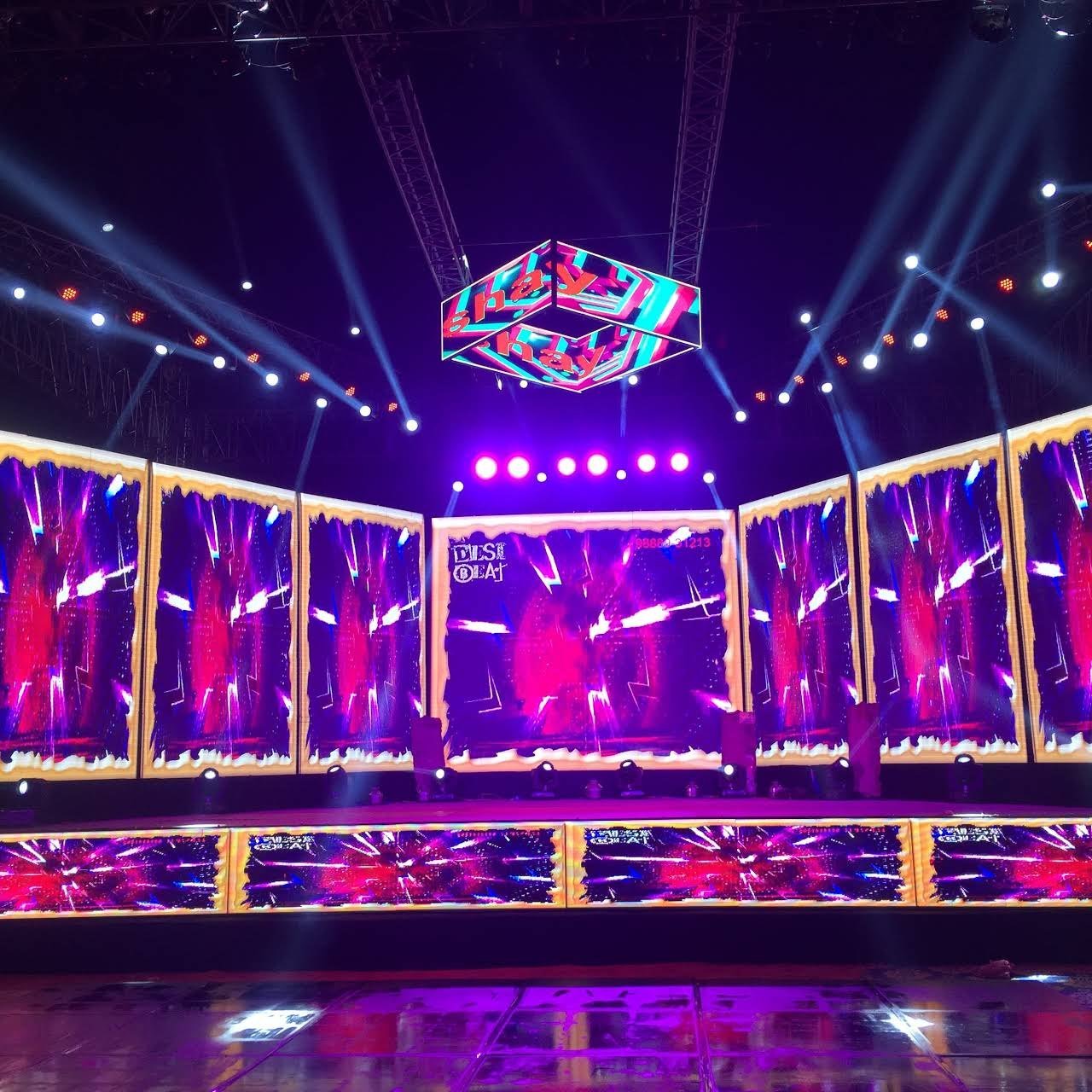
Planning a live event in the United States involves dozens of moving parts, and display technology sits near the top of the list when it comes to decisions that can affect the entire production. Whether you are coordinating a corporate conference, an outdoor festival, a product launch, or a trade show appearance, the LED panel system you choose will directly influence how your content is received by the audience. A poor display experience is rarely forgotten by attendees, and it is almost never corrected in the middle of a live event.
The market for temporary LED display rentals has grown considerably over the past several years, which means there are now more vendors, more configurations, and more variables to evaluate before signing a rental agreement. That range of options is useful, but it also means that not every offering is equal in quality, reliability, or operational support. Understanding what to verify before committing to a rental can help event organizers avoid disruptions, unexpected costs, and the kind of technical failures that are difficult to recover from once an audience is in the room.
The following seven considerations are not simply a checklist of features. Each one reflects a real operational concern that event professionals face when planning display solutions at scale.
Table of Contents
1. Understand What You Are Actually Renting
Before anything else, event organizers need a clear picture of the display system being offered, not just the panel dimensions or resolution marketed in the proposal. Many rental agreements describe a finished visual result without fully explaining the infrastructure required to support it — which includes processing hardware, cabling, rigging equipment, and control systems. If any of these components are mismatched or inadequately specified, the output suffers even if the panels themselves are of reasonable quality.
A reliable starting point is reviewing a Led Panel For Rent overview from a vendor that clearly explains system components, supported configurations, and what is included in the rental versus what requires separate arrangement. Transparency at this stage is a meaningful indicator of how a vendor will operate during an event when problems arise.
The Difference Between Panel Type and System Capability
LED panels are manufactured in different formats for different use cases — indoor fixed installations, outdoor temporary structures, fine-pitch close-viewing environments, and high-brightness applications for daylight-visible displays. The type of panel matters less than whether the entire system is configured for your specific venue conditions and viewing distances. A vendor offering a high-end panel without the correct supporting hardware is delivering an incomplete solution, and the gap will show up during setup or, worse, during the event itself.
2. Confirm Brightness and Environmental Suitability
One of the most common mismatches in LED panel rentals occurs when a display intended for a controlled indoor environment is used in a partially lit, mixed-light, or outdoor setting. Brightness is measured in nits, and the required output varies significantly depending on ambient light conditions. A panel that performs well in a darkened ballroom may appear washed out in an exhibition hall with overhead skylights or in an outdoor space with direct sunlight.
Why Venue Conditions Must Drive Display Selection
Before finalizing a rental, share accurate details about the venue with your vendor — ceiling height, natural light exposure, the distance from the display to the audience, and any surrounding light sources that might compete with the panel. A vendor who does not ask these questions early in the conversation is likely not accounting for them in the equipment selection. The display that looks impressive in a demo environment may not perform the same way in your actual space.
3. Ask About Refresh Rate and Content Compatibility
Refresh rate determines how the display handles moving content, video playback, and camera feeds. For events that will be recorded or broadcast — or even photographed extensively — a low refresh rate can produce a visible flicker in captured footage that is absent to the naked eye but obvious in any recorded material. This is a technical detail that often goes undiscussed in rental conversations but becomes an issue during post-event review or live stream delivery.
Matching Content Format to Display Capability
Event content often comes from multiple sources: presentation software, video playback systems, live camera inputs, and external media players. Each source has its own output specifications, and the LED panel system needs to accept and process all of them cleanly. Confirm with your vendor that the processing hardware included in the rental can handle your specific content types and that the input connections match your production setup. Discovering an incompatibility during load-in is a costly delay that proper pre-event communication avoids entirely.
4. Verify Redundancy and Backup Systems
In a live event environment, there is no opportunity to pause and troubleshoot at length. If a processing unit fails or a cable develops a fault during a keynote presentation, the display goes dark — and every second of downtime is visible to the entire audience. Redundancy in LED display systems means having backup hardware ready to switch over immediately if a primary component fails.
What Redundancy Actually Looks Like in Practice
Redundancy is not just about having a spare panel in storage. It includes redundant signal processing, backup power paths, and pre-tested failover procedures that the on-site technician knows how to execute without delays. Ask your vendor directly whether their rental package includes redundant systems and whether their on-site crew has experience activating them under pressure. A vendor who is unfamiliar with the question is telling you something important about how they approach operational risk.
5. Clarify On-Site Technical Support Commitments
Equipment quality is only one part of a successful LED display rental. The other part is the technical team that installs, operates, and troubleshoots the system during the event. Event organizers sometimes assume that a delivery and setup service is equivalent to full technical support, but the distinction matters. Delivery and setup means the equipment is installed and tested before the event begins. Full technical support means a qualified technician remains on-site for the duration of the event and is responsible for real-time adjustments and problem resolution.
The Risk of Assuming Support Is Included
Read rental agreements carefully to understand exactly what technical support is included and at what hours. Some vendors charge separately for on-site presence during live event hours, while others include it as a standard service. For multi-day events, clarify whether support coverage extends across all days or only during installation. An event that runs smoothly on day one but encounters technical issues on day two without support coverage will create serious operational pressure for the event team.
6. Evaluate the Structural and Rigging Requirements
LED panels used at events are often mounted on temporary structures — flown from rigging points, built into freestanding ground-support frames, or integrated into stage set pieces. The structural requirements for each configuration are different, and compliance with venue rigging regulations is not optional. In the United States, many venues require documentation that rigging hardware meets specific load ratings and that installation is performed by qualified riggers. Organizations such as the Occupational Safety and Health Administration have established guidelines that affect how temporary structures at public events must be installed and inspected.
Coordinating with Venue Requirements Early
Before finalizing a led panel for rent agreement, confirm with the venue what rigging certifications are required and share that information with your vendor. Some vendors include certified riggers as part of their service; others expect the event organizer to arrange that separately. Getting this clarity early prevents last-minute conflicts with venue management that can delay load-in schedules and affect the entire event timeline.
7. Review the Logistics Timeline and Load-In Plan
LED display systems require more time to install, calibrate, and test than many event organizers anticipate. A large panel wall or a multi-screen configuration can take several hours to build and align, and calibration — the process of ensuring color uniformity and brightness consistency across all panels — is a step that cannot be rushed without affecting image quality. Events that do not allow adequate load-in time for the display system often end up with uncalibrated panels or incomplete setups that are visible to attendees.
Building Realistic Time Buffers into the Production Schedule
When evaluating a led panel for rent option, ask the vendor how much load-in time their system requires for your specific configuration, and then add a buffer to account for any unexpected issues. Venue access windows, elevator availability, freight dock scheduling, and coordination with other production vendors all affect how smoothly the installation proceeds. A vendor who provides a clear, experience-based timeline estimate — rather than a best-case scenario — is one who has managed enough events to understand where delays typically occur.
Conclusion: What Due Diligence Actually Means for Display Rentals
Renting an LED panel for an event is not simply a transaction. It is an operational commitment that involves equipment, logistics, technical expertise, and real-time support — all coordinated around a fixed event date with no flexibility for failure. The seven areas covered in this article reflect the points where gaps most commonly occur between what event organizers expect and what they actually receive.
Taking the time to verify brightness suitability, redundancy provisions, structural requirements, content compatibility, and on-site support commitments before signing a rental agreement substantially reduces the risk of disruption during the event itself. These are not administrative formalities. They are the questions that separate a well-managed event from one that the production team has to problem-solve through in real time.
The led panel for rent market in the United States includes vendors with very different levels of experience, equipment quality, and service depth. Asking the right questions upfront is the most reliable way to identify which vendors are genuinely equipped to support your event and which ones are simply fulfilling a delivery function. The difference becomes apparent quickly once an event is underway — and at that point, there is very little room to course-correct.
Invest the time in due diligence before the contract is signed. It is the part of event planning that is easiest to skip and the most consequential when it goes unaddressed.
-
-
-

-

-
-