Cargobikes have moved well beyond niche curiosity. Across European cities and increasingly in North America and Asia, they are reshaping last-mile delivery, school runs, and everyday errands — carrying loads that once demanded a car. As adoption accelerates, so does the demand for technology that can match the complexity of these versatile machines. A heavy cargo bike navigating a rain-slicked urban hill with a full load is a fundamentally different challenge than a standard commuter bicycle, and generic cycling electronics simply cannot keep pace.
That gap is exactly where TarranOS enters the picture. Designed from the ground up as a dedicated operating system for cargobikes, TarranOS brings together bike control, real-time data processing, safety intelligence, and smart user interactions under a single, coherent platform. For tech-savvy riders and fleet operators who expect their equipment to behave more like a connected device than a mechanical tool, this represents a genuine shift in what a cargobike can do. The sections that follow break down how TarranOS works, what it delivers in practice, and how you can put its capabilities to work today.
Table of Contents
Understanding TarranOS: The Brain Behind Intelligent Cargobikes
TarranOS is a purpose-built operating system developed specifically for cargobikes — not adapted from generic cycling firmware or scaled-down automotive software, but engineered from scratch to handle the unique demands of heavy-duty electric cargo transport. At its core, TarranOS manages the continuous interplay between motor assistance, load dynamics, rider input, and environmental conditions, translating raw sensor data into precise mechanical responses in milliseconds. Think of it as the central nervous system connecting every intelligent component on the bike into a unified, responsive whole.
What is TarranOS and Its Core Architecture?
TarranOS runs as an embedded system on dedicated hardware integrated directly into the cargobike’s frame electronics. Its architecture is modular by design, meaning manufacturers and fleet operators can activate specific capability layers — navigation, load management, safety protocols — without overhauling the entire system. The platform communicates with an array of onboard sensors and actuators in real time, including torque sensors, inertial measurement units, wheel speed sensors, and braking systems. This tight hardware-software integration allows TarranOS to respond to changing conditions dynamically rather than relying on static, pre-programmed rules.
Key Features and Benefits for Modern Cargobikes
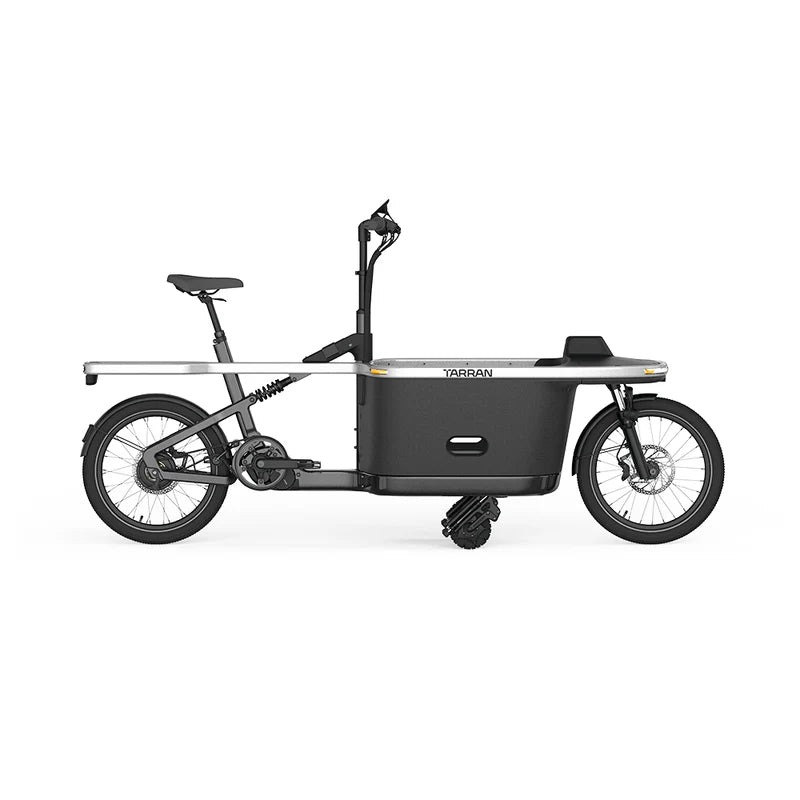
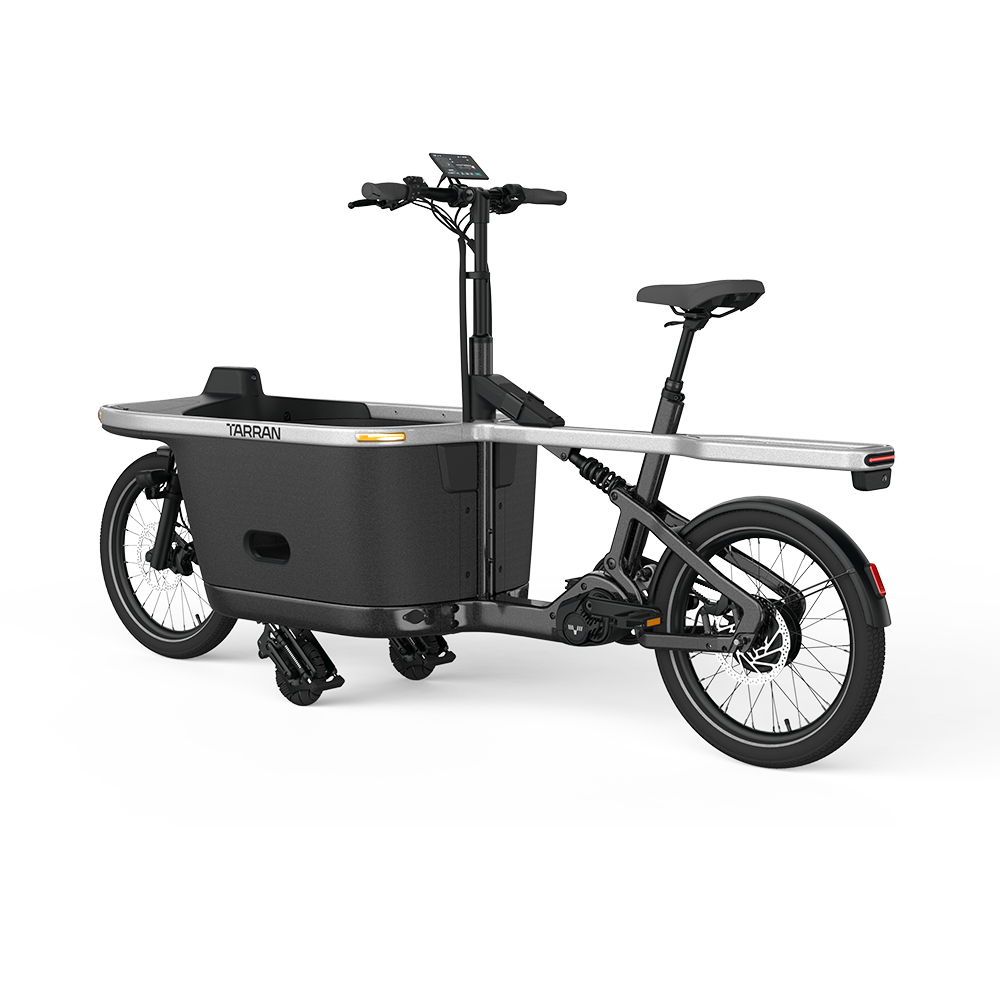
The feature set TarranOS delivers goes well beyond basic motor control. Adaptive assistance algorithms continuously recalibrate power delivery based on cargo weight, gradient, and rider cadence. Connectivity options including Bluetooth, LTE, and ANT+ allow seamless pairing with smartphones, fleet management platforms, and urban infrastructure. For tech-savvy riders, this translates into measurable gains: longer range through smarter energy use, reduced physical strain on demanding routes, and a riding experience that feels intuitive rather than mechanical. For fleet operators, centralized data visibility means proactive maintenance scheduling and fewer unexpected breakdowns. TARRAN e-bikes that ship with TarranOS pre-installed represent one of the most complete expressions of this integrated approach, combining purpose-built hardware with the full software stack out of the box.

Revolutionizing Bike Control with TarranOS Technology
Controlling a cargobike loaded with 100 kilograms of groceries on a steep descent demands something fundamentally different from standard cycling electronics. TarranOS addresses this by replacing static control logic with a dynamic, software-driven system that continuously reads the bike’s physical state and adjusts mechanical responses accordingly. Predictive handling algorithms anticipate instability before a rider feels it, while stability management actively redistributes motor torque to keep the bike tracking true through corners and crosswinds. The result is a machine that compensates for its own complexity rather than passing that burden to the rider.
Advanced Control Mechanisms for Seamless Riding
TarranOS governs torque assistance and regenerative braking as a unified system rather than isolated functions. When the platform detects a heavy front load on a downhill approach, it simultaneously reduces motor assistance, increases regenerative braking sensitivity, and shortens the hydraulic brake response curve — all within a single control cycle. On climbs, torque delivery scales smoothly with cadence and detected cargo weight, preventing the jerky power surges that strain both rider and drivetrain. These mechanisms adapt in real time, so a rider switching from an empty cargo deck to a full one mid-route experiences a seamless recalibration without touching a single setting.
Integrating Real-Time Data for Dynamic Control
TarranOS pulls data from GPS positioning, inertial measurement units, wheel speed encoders, and gradient sensors simultaneously, fusing these streams into a coherent picture of the bike’s current state. GPS data flags upcoming sharp turns or steep grades seconds before they arrive, giving the system time to pre-adjust assistance levels rather than reacting after the fact. Inertial data catches sudden load shifts — a child moving in a front bucket, for instance — and corrects steering torque before the rider notices any pull. This sensor fusion approach transforms raw data into proactive control decisions, directly improving both safety and riding confidence across variable urban terrain.
Prioritizing Safety Through Intelligent Systems and Real-Time Data
A cargobike carrying children or commercial freight through dense urban traffic is not just a transportation tool — it is a responsibility. TarranOS treats safety not as a checklist of reactive features but as an active, continuously running process woven into every control decision the system makes. Rather than waiting for a dangerous situation to develop, TarranOS uses its real-time sensor network to identify risk conditions early and intervene before a rider needs to react. This proactive architecture closes the gap between what a rider can perceive and what the bike’s sensors can detect, particularly in the high-distraction environments where cargobikes operate most.
Bike Safety Features Powered by TarranOS
TarranOS manages automatic lighting that adjusts beam intensity and angle based on speed, ambient light, and detected road curvature — eliminating the blind spots that fixed lights create on tight urban corners. Integrated theft detection combines accelerometer data with geofencing rules, triggering silent alerts to a paired device when the bike moves outside a defined zone without an authenticated rider. The system also monitors drivetrain stress and battery cell health continuously, flagging anomalies before they become mechanical failures mid-route. These features do not operate in isolation; TarranOS links them directly to the bike’s control layer, so a detected mechanical issue can automatically reduce maximum assistance speed as a precautionary measure while the rider receives a notification.
Leveraging Real-Time Data for Proactive Safety Measures
TarranOS processes live traffic data alongside onboard sensor streams to build a predictive hazard model for the route ahead. When the system identifies a high-collision intersection approaching, it pre-tightens brake sensitivity and issues a haptic alert through the handlebar grip — giving the rider a physical cue without demanding visual attention. Inertial data analysis can detect the early signature of a skid or tip and apply differential motor braking to individual wheels within a single control cycle, well before the rider consciously registers instability. On wet surfaces, traction monitoring adjusts torque delivery downward automatically, removing the guesswork from slippery conditions. Together, these data-driven interventions measurably reduce the cognitive load on riders navigating complex urban environments, translating directly into fewer close calls and greater confidence under load.
Intelligent Bike Interactions and Charging Solutions
TarranOS does more than manage the mechanical side of a cargobike — it transforms the rider’s relationship with the machine itself. By opening communication channels between the bike and the broader digital ecosystem a rider already uses, TarranOS makes interactions feel natural rather than technical. Voice commands issued through a paired Bluetooth headset can adjust assistance levels, trigger navigation, or check battery status without the rider ever reaching for a screen. Dedicated mobile apps surface ride analytics, allow remote configuration of safety zones, and push firmware updates automatically, keeping the system current without requiring a workshop visit.
Smart Interactions for Enhanced User Experience
TarranOS supports integration with smartwatches and fitness wearables, syncing cadence, heart rate, and exertion data to dynamically modulate assistance — so the bike responds to the rider’s physical state, not just pedal pressure. IoT connectivity allows the platform to communicate with smart home systems, enabling automated charging schedules that align with off-peak energy tariffs. For fleet operators, API access lets TarranOS feed live ride data directly into logistics platforms, closing the loop between bike performance and delivery management software without manual data entry.
The Role of Charging Panels in the TarranOS Ecosystem
Charging panels within the TarranOS ecosystem are not passive power inputs — they are active data nodes. When a bike connects to a TarranOS-compatible charging station, the system initiates a full battery cell diagnostic, logs charge cycle history, and calibrates the next charge rate based on current cell health and the rider’s upcoming route demands. This bidirectional data exchange means the battery is never simply refilled; it is managed as a precision resource. Looking ahead, bike-to-grid capability is already on the TarranOS development roadmap, positioning cargobikes as distributed energy assets that can return stored power to urban microgrids during peak demand periods.
Implementing Solutions: A Practical Guide for Tech-Savvy Users
Getting the most from TarranOS starts before you ever turn a pedal. Whether you are retrofitting an existing cargobike or selecting a new model, a structured approach ensures you unlock the full capability of the platform rather than using a fraction of what it offers.
Step-by-Step Integration of TarranOS into Your Cargobike
Begin by confirming hardware compatibility — TarranOS requires a supported motor controller, a minimum sensor array including torque and inertial measurement units, and a TarranOS-certified display unit. Once compatibility is confirmed, install the hardware integration kit following the manufacturer’s wiring diagram, ensuring all sensor connections are seated firmly before powering the system. Next, flash the TarranOS firmware through the dedicated desktop utility, which automatically detects connected hardware and activates the appropriate capability modules. Configure your control profile — setting cargo weight presets, preferred assistance curves, and braking sensitivity thresholds — through the companion mobile app during your first ride calibration session. Finally, run the built-in systems test, which cycles through motor response, sensor readings, and connectivity handshakes to confirm everything is operating within expected parameters.
Maximizing Benefits with Intelligent Features and Data Insights
Once TarranOS is running, treat the ride analytics dashboard as a regular tool rather than a novelty. Review weekly range efficiency trends to identify routes where assistance settings can be optimized, and adjust geofencing safety zones whenever your regular riding area changes. Enable automatic firmware updates to ensure hazard prediction models stay current with the latest traffic data integrations. For charging efficiency, connect your TarranOS-compatible station to the app’s scheduling feature and input your typical departure times — the system will back-calculate the optimal charge start time automatically. If motor response feels inconsistent after a load change, recalibrate the cargo weight preset rather than adjusting assistance manually, as this allows TarranOS to recalculate all dependent parameters simultaneously.
Intelligent Cargo Mobility Is Here Today
TarranOS represents more than an incremental upgrade to cargobike electronics — it is a fundamental rethinking of what these machines can be. By unifying bike control, safety intelligence, and smart user interactions under a single, purpose-built platform, TarranOS closes the gap between the mechanical complexity of heavy cargo transport and the seamless, responsive experience riders and operators actually need. For tech-savvy users, the benefits are concrete: adaptive assistance that responds to load and terrain, proactive safety systems that act before problems develop, and connectivity that integrates the bike into the digital tools already shaping daily life.
Real-time data sits at the heart of every capability TarranOS delivers, and that foundation only grows stronger as the platform evolves. Charging panels that double as diagnostic nodes, predictive hazard models fed by live traffic streams, and the coming bike-to-grid functionality all point toward cargobikes becoming active participants in smart city infrastructure rather than passive transport tools. The trajectory is clear: intelligent cargo mobility is not a future concept — it is available now. Exploring TarranOS compatibility for your current bike or next purchase, including TARRAN’s own range of purpose-built cargo e-bikes, is the most direct step toward riding that future today.
-

-
-

-
-
-