How to Activate Windows 7 Permanent Offline – Windows 7 of course, you need to use the original Windows license which is usually purchased through a shop or marketplace selling windows, but usually because of something that forces you to leave Windows in a state that has not been activated. In this review, you can use an alternative method that will make windows active.
Windows 7 is the highest version of the operating system released by Microsoft Windows to date. Various types of windows series on the market include the following: Windows License Will Expire Soon, Windows 10 Home, Windows 10 Pro, Windows 10 Enterprise, Windows 7 IoT ( Internet of Thinks ), Windows 7 Educations. activate office 2019.
Table of Contents
Windows Activation
After the activity of installing windows or commonly called reinstalling, the first time Windows 7 has not been activated (if using the Original ISO without additional) then Windows Server 2025 Standard can be operated but it is like using a trial service or a demo version with some limitations and features that are not yet active.
Usually, the sales shop for a new Laptop or PC Built-Up computer offers an official Windows license that has a purchase package installed so that buyers don’t have to bother to search and install it separately because it already includes active windows, but please also note that the purchase package includes Windows. Original actives are also more expensive than those that are still empty or free DOS.
Impact of Not Activating Windows?
If Windows has not been activated, you cannot use some of the features provided by Windows. Like not being free to explore the available features.
The characteristics of windows that have not been activated, you cannot change the appearance of the UI windows in Personalization such as changing the background, colors, lock screen and themes to dark windows themes, changing windows profiles, fonts, and many other features that are not yet active, so if you want to use the features you have to do Activate Windows.




In addition, a watermark will also appear that reads ” Activate Windows – Go to settings to Activate Windows ” There is a lower right corner of the windows screen display. Here are 2 ways you can do to activate Windows 7, but it could also be your Windows 8.1 and Windows 7 that have not been activated because Windows is still fresh after reinstalling.
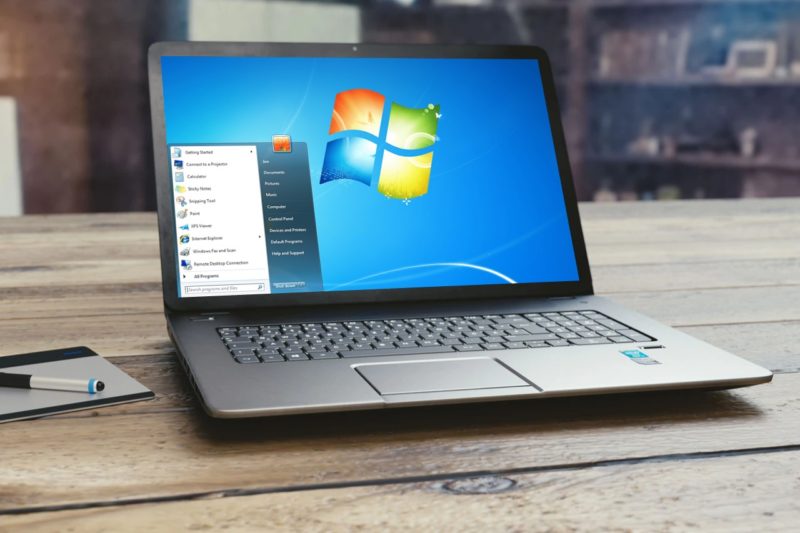
Latest Permanent Steps to Activate Windows 7 100% Work
Here are 2 options that you can use to activate windows. You can use one of the methods below according to your needs, please use it wisely.
#1 Windows Activation With Official Windows License Key
Of course, by using Windows Original and a legal license key, you can buy it through a shop that sells Windows packages officially. Or it can be through a trusted marketplace, besides being 100% permanent, it’s also 100% safe without being disturbed when the activation turns off or expired.
Urgent! Make sure the PC / laptop computer is connected to the internet before activating with the original key because it requires a connection for integration and activation validation with Microsoft servers.
- First open Settings – go to Update & Security.
- In the list select Activation – Change Product Key – enter the license key code that you got into the Product Key column.
- If you have clicked Next to continue activation.
You may also like to read – Coin Master Free Spins and Coins
#2 Activating Windows With Activation Tools
Before activating windows in the following way, make sure you have disabled all antivirus first if you use windows defender antivirus.
This tool is portable so it doesn’t need to be installed into the windows system. Available in 2 versions ( x64 for windows 64 bit) and ( x32 for windows 32 bit), make sure it is adapted to your type of windows.
How to extract RAR first, then run the application by right-clicking Run as Administrator.
Just need1x click on Windows Activation – wait until all processes are complete, make sure the process status is up to “Product activated successfully”
Windows has been activated and now click Windows Information to check the activation status, and windows can be fully used.
This method can be used on all versions of Windows 7 both home, pro, and enterprise. If you are using Windows 8.1 and Windows 7 all versions can also be activated this way. And if the activation period has expired, you can repeat it again as above.
Do not forget!!
After you check and make sure it is completely activated, then reactivate the Windows Defender antivirus or any antivirus that you turned off before the activation process.
The final word
This second method is nothing but an alternative to activate your Windows 7, and as much as possible use or buy the original serial for Windows that you are using if you have a little more luck.
Because by using an Original Windows 7 license other than official or legal. You also don’t have to bother and worry at the same time it’s safe because you always have Windows update support and features that Microsoft provides for the windows you use, hopefully, it’s useful.