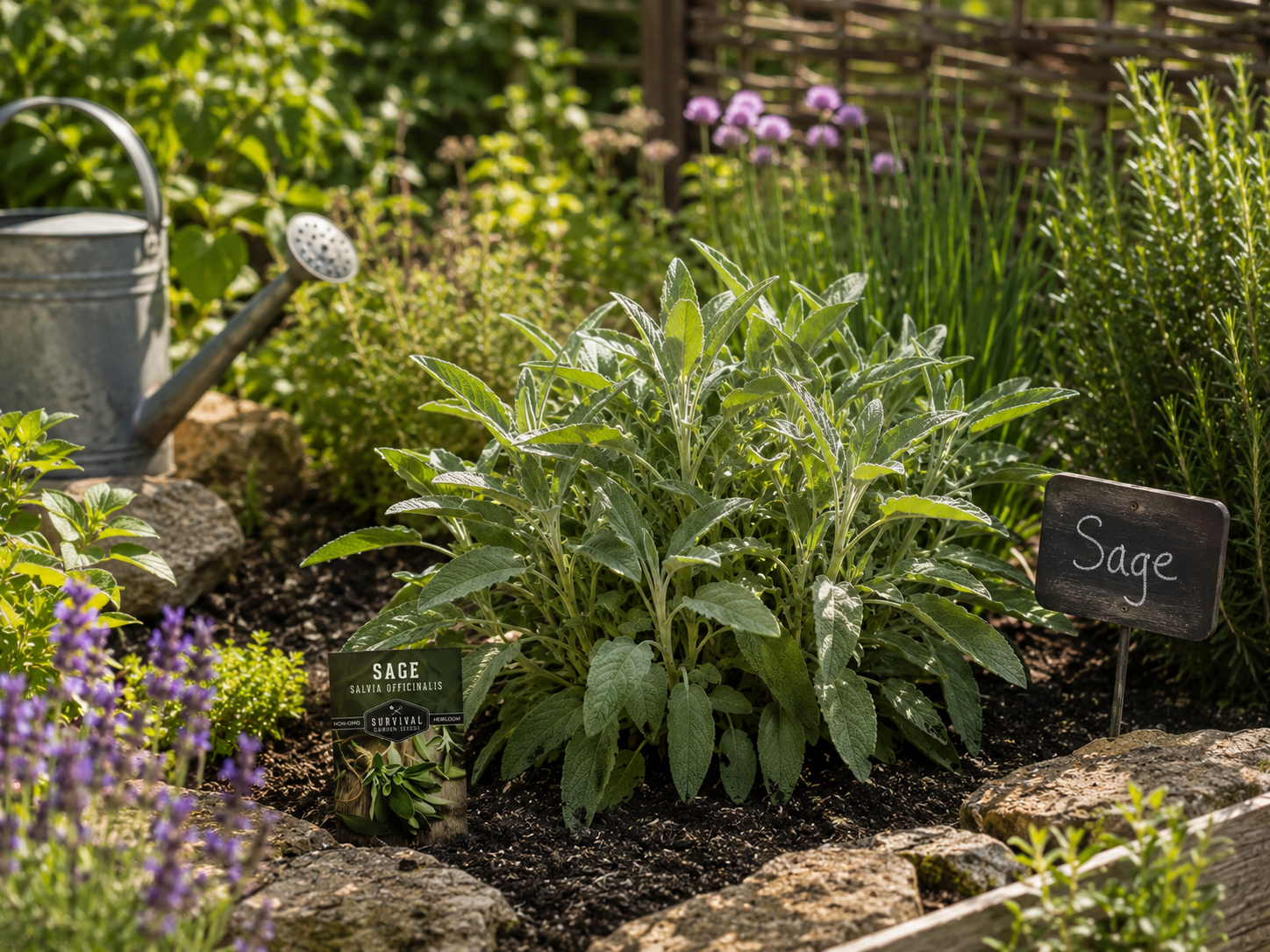
The sage plant has been a favorite among gardeners for generations, and it is easy to see why. It is attractive, useful, and surprisingly easy to grow, even for people who are just getting started with gardening.
If you have been researching herbs for your garden, you have probably come across the term sage plant more than once. This versatile herb offers year-round value and can fit into almost any growing space, from a large backyard garden to a small patio container.
Table of Contents
Why Gardeners Keep Coming Back to Sage
Some plants are popular for a few years and then fade away. Sage has remained a garden favorite because it offers benefits that many other herbs cannot match.
A Hardy Herb for Busy Gardeners
Life gets busy, and not everyone has time to care for demanding plants. One reason the sage plant remains popular is that it does not require constant attention.
Once established, sage can handle periods of dry weather and continues growing with relatively little maintenance. This makes it a great choice for gardeners who want reliable results without spending hours in the garden each week.




Attractive Throughout the Growing Season
Many herbs are grown strictly for their culinary value, but sage also adds visual appeal.
Its soft gray-green leaves add contrast to flower beds and vegetable gardens. When it blooms, it produces beautiful flowers that attract pollinators and add even more interest to the landscape.
Useful Beyond the Kitchen
Most people associate sage with cooking, but its usefulness goes much further.
Many gardeners enjoy growing sage because it can be dried, preserved, and incorporated into a variety of home projects. Its pleasant fragrance also makes it a welcome addition near walkways, patios, and outdoor seating areas.
Choosing the Best Location for a Sage Plant
Location plays a major role in the long-term success of any herb. Fortunately, sage is fairly easy to please.
Give It Plenty of Sunlight
The sage plant performs best in full sun. A location that receives at least six hours of direct sunlight each day usually produces the healthiest plants.
More sunlight often means stronger growth, fuller foliage, and a better overall harvest.
Focus on Drainage
If there is one thing sage dislikes, it is overly wet soil.
Well-drained soil helps keep roots healthy and prevents many common growing problems. If your garden tends to hold water, consider raised beds or containers.
Leave Room for Airflow
Good airflow helps keep the foliage dry and healthy.
Avoid placing sage in crowded areas where plants compete for space. A little breathing room can make a noticeable difference throughout the growing season.
Growing a Sage Plant from Seed
Growing herbs from seed can be one of the most rewarding parts of gardening. Watching a tiny seed become a productive plant never gets old.
Starting Indoors or Outdoors
Depending on your climate, you can start sage seeds indoors before the last frost or sow them directly outdoors once temperatures warm.
Both methods work well. The best choice often depends on your growing season and available space.
Being Patient During Germination
Unlike some fast-growing vegetables, sage may take a little time to germinate.
Patience is important during this stage. Keep the soil lightly moist and give the seeds time to develop naturally.
Helping Young Plants Establish
Once seedlings emerge, provide plenty of light and avoid overwatering.
Healthy roots are the foundation of a productive sage plant, so allowing the soil to dry slightly between waterings can encourage stronger growth.
Simple Ways to Care for Sage
One reason gardeners love sage is that it stays productive without requiring complicated care routines.
Watering Less Often
Many new gardeners assume more water is always better. With sage, the opposite is often true.
The plant prefers moderate watering and performs best when the soil is allowed to dry slightly between waterings.
Trimming for Better Growth
Regular harvesting acts as a form of pruning.
Removing stems encourages the plant to produce new growth, resulting in a fuller and healthier appearance throughout the season.
Monitoring Plant Health
The sage plant is generally resistant to many common garden problems.
A quick visual inspection every week is often enough to spot issues early and keep plants growing strong.
Harvesting Sage Throughout the Season
One of the best things about growing herbs is being able to harvest them repeatedly.
Start with Small Harvests
You do not need to wait for a massive plant before harvesting.
Taking a few leaves at a time allows you to enjoy fresh sage while encouraging continued growth.
Harvest Before Flowering for Maximum Flavor
Many gardeners prefer harvesting leaves before the plant flowers.
At this stage, the leaves often contain the strongest flavor and aroma.
Avoid Taking Too Much at Once
Leaving plenty of foliage behind helps the plant continue producing.
A good rule is to harvest gradually rather than removing large portions all at once.
Why Sage Fits Into a Sustainable Garden
Many gardeners today are looking for plants that provide long-term value. Sage is an excellent example.
A Perennial in Many Regions
Unlike annual herbs that must be replanted each year, sage often returns season after season.
This reduces the amount of work required and helps create a more established garden over time.
Supports Pollinator Populations
When sage flowers, bees and other pollinators frequently visit the blooms.
Supporting pollinators helps create a healthier ecosystem throughout the entire garden.
Encourages Homegrown Habits
Growing herbs often inspires gardeners to become more involved in food production and self-reliance.
The sage plant is an easy entry point into that journey because it is productive, useful, and beginner-friendly.
Bringing the Sage Plant Into Your Garden Plan
The best garden plants are often the ones that continue providing value year after year. Sage has earned its reputation for combining beauty, practicality, and ease of care.
Whether you are growing herbs for cooking, supporting pollinators, or simply adding variety to your garden, the sage plant offers a dependable option that rewards gardeners with minimal effort and consistent results.