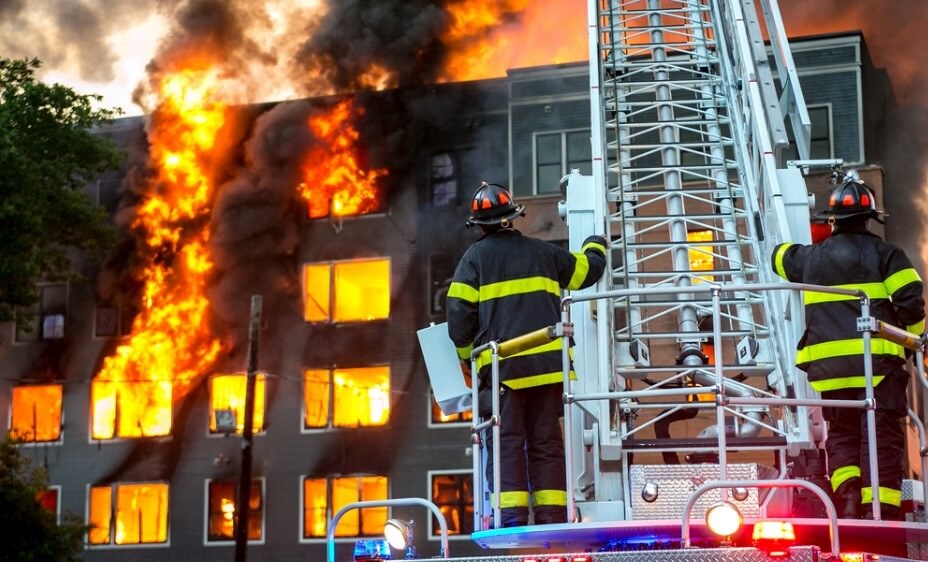
Safety in commercial buildings is more than just a regulatory requirement—it’s a moral and financial necessity. Property owners, managers, and tenants share a responsibility to create secure environments that protect both people and assets. From fire hazards to slip-and-fall risks, the safety of your building impacts everyone inside. Implementing the Fire Watch Security can prevent accidents, reduce liability, and foster trust among employees and visitors.
Table of Contents
1. Conduct Regular Safety Inspections
Routine inspections are the foundation of any effective safety plan. Identify potential hazards such as exposed wiring, damaged flooring, or faulty elevators. Schedule inspections at least quarterly, and ensure thorough documentation of findings. Inspections should cover structural integrity, electrical systems, fire safety equipment, and emergency exits. By spotting problems early, you can address issues before they become accidents.
2. Implement Fire Safety Measures
Fire safety is critical in commercial buildings. Equip your property with smoke detectors, fire alarms, and sprinklers that meet local code requirements. Conduct regular fire drills to familiarize occupants with evacuation routes and procedures. Keep fire extinguishers accessible and maintain them routinely. Educate staff and tenants on fire safety protocols, including proper use of extinguishers and identifying potential fire hazards.
3. Maintain Proper Lighting and Signage
Adequate lighting is more than a convenience; it prevents accidents and enhances security. Well-lit hallways, stairwells, and parking areas reduce the risk of trips and falls while deterring criminal activity. Clear, visible signage is also crucial, guiding occupants to exits, restrooms, and emergency equipment. Consider illuminated signs in areas prone to low visibility for added safety.
4. Keep Floors and Walkways Safe
Slips, trips, and falls are among the most common accidents in commercial buildings. Maintain floors by promptly cleaning spills and repairing cracks or loose tiles. Use non-slip mats in entrances and high-traffic areas, and ensure walkways are clear of clutter or obstacles. Regular maintenance of carpeting, stairs, and handrails is essential to reduce personal injury risks.




5. Secure Entrances and Access Points
Controlling access helps protect both occupants and property. Install secure locks, keycard access systems, or security personnel as appropriate. Surveillance cameras can monitor entrances, hallways, and parking areas, acting as a deterrent for theft and vandalism. Encourage visitors to check in at reception and monitor deliveries to prevent unauthorized entry.
6. Develop Emergency Preparedness Plans
Emergencies can occur without warning, so having a clear, comprehensive plan is critical. Outline procedures for medical emergencies, fires, natural disasters, and security threats. Train staff and tenants on emergency response and assign responsibilities to key personnel. Conduct drills periodically to ensure everyone knows what to do under pressure. Include contact information for local authorities, emergency medical services, and even a personal injury lawyer in Salt Lake City if accidents occur that require legal guidance.
7. Stay Up-to-Date With Regulations
Commercial building safety regulations evolve to reflect best practices and new hazards. Stay informed about local, state, and federal codes, including OSHA guidelines and fire safety mandates. Compliance not only protects occupants but also reduces liability and insurance risks. Consider hiring a safety consultant to review your building and ensure you’re meeting or exceeding legal requirements.
8. Foster a Culture of Safety
Creating a safe building is not just about equipment and policies—it’s about mindset. Encourage employees, tenants, and visitors to report hazards, follow procedures, and take responsibility for safety. Provide ongoing training and recognize individuals who contribute to a safer environment. A culture of safety reduces accidents and builds confidence in your building’s management.
In Conclusion
Commercial building safety requires vigilance, planning, and active participation from everyone involved. By conducting inspections, implementing fire and security measures, maintaining walkways, and fostering a safety-minded culture, property owners can protect both people and property. Prioritizing safety not only reduces the risk of accidents but also enhances the reputation and value of your commercial property.
Investing in proactive measures today can prevent costly incidents tomorrow and ensure that your building remains a safe, welcoming environment for all occupants.