Ballet is an art form that demands precision, grace, and dedication. Among the many essentials for every dancer, appropriate footwear plays a critical role. The selection of ballet shoes is not merely a matter of style but profoundly affects comfort, performance, and injury prevention. This guide aims to provide an informative overview of how dancers can find the perfect ballet shoes for their specific needs.
Table of Contents
Understanding the Significance of Ballet Footwear
Ballet shoes are specialised footwear designed to support the unique requirements of ballet dancers. These shoes provide flexibility, enable smooth movements, and protect the feet throughout rigorous practice sessions and performances. Optimal ballet footwear contributes to enhanced balance, turns, and jumps, whilst preventing common injuries such as blisters, calluses, and joint strain.
Types of Ballet Shoes
Broadly, ballet shoes can be categorised into three types: canvas shoes, leather shoes, and pointe shoes. Each type has distinct features and applications depending on the dancer’s level and the style of ballet.
Canvas Ballet Shoes
Canvas shoes are often favoured by beginners due to their affordability and breathability. The material allows air circulation, which helps keep the feet dry, reducing discomfort during prolonged use. While they offer flexibility, they may wear out faster than leather alternatives and may not provide as much support.
Leather Ballet Shoes
Leather ballet shoes are typically chosen by more advanced dancers. They provide greater durability and support compared to canvas, often with a snugger fit that moulds to the foot over time. The smooth surface of leather shoes also allows for better sliding movements across the dance floor.
Pointe Shoes
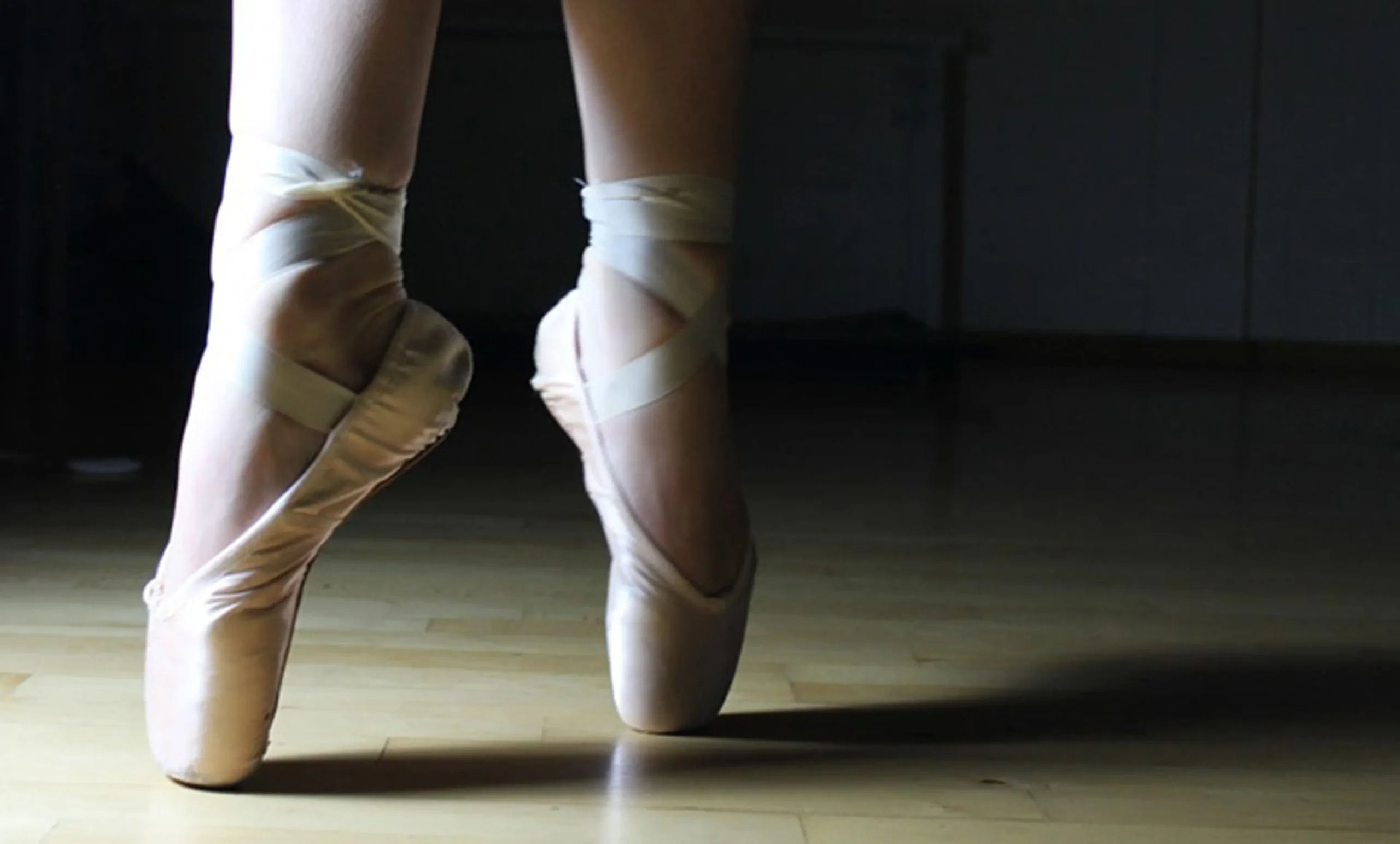
Pointe shoes are specialised footwear worn by ballet dancers who perform en pointe—that is, on the tips of their toes. These shoes involve a stiffened toe box and shank to support the dancer’s weight. Due to their complex construction and requirement for professional fitting, pointe shoes are not suitable for beginners.
Factors to Consider When Choosing Ballet Shoes
The process of selecting ballet shoes should consider various factors to ensure the best fit and functionality. These factors include the material, size, fit, sole type, and elasticity.
Material Quality and Durability
The choice between canvas and leather will depend on personal preference, level of experience, and the intended use. It is important to evaluate the durability needed, as well as comfort and ease of maintenance.
Proper Sizing and Fit
Correct shoe size is critical in ballet footwear. Shoes that are too tight may restrict movement and cause pain, whilst loose shoes can lead to instability and increase the risk of injury. The ideal ballet shoe should fit snugly without causing discomfort.
Sole Type: Split vs. Full Sole
Ballet shoes come with either split soles or full soles. Split sole shoes have separate patches of leather under the heel and ball of the foot, offering increased flexibility and allowing the dancer to point their feet more easily. Full sole shoes provide greater support and are often preferred by beginners for stability during training.
Elasticity and Straps
Most ballet shoes include elastic straps to secure the shoe comfortably around the foot. The positioning of the straps, whether in a V-shape or straight across, should support the foot’s movements without restricting circulation or causing irritation.
The Importance of Professional Fitting
Visiting a specialised store or consulting with professional dance instructors can be invaluable when selecting ballet shoes. Expert fitting ensures that the shoes accommodate the unique shape and contours of the dancer’s feet, reducing the likelihood of injury and providing optimal performance support.
Maintenance and Care of Ballet Shoes
Proper care extends the life of ballet footwear and maintains hygiene. Dancers are advised to air out their shoes after each use and to clean them according to material-specific instructions. For example, canvas shoes may be gently hand washed, whereas leather shoes require wiping with a damp cloth and occasional conditioning.
Where to Find Quality Ballet Shoes
Purchasing from reputable suppliers ensures access to high-quality ballet shoes suited to various requirements. An excellent resource for ballet shoes offers an extensive selection designed for young dancers, encompassing multiple styles and sizes to accommodate different stages of development.
Conclusion
Selecting the perfect ballet shoes is a vital aspect of a dancer’s journey. Considering the type of shoe, material, fit, and sole, along with professional guidance, will enable dancers to perform safely and comfortably. Investing in the right footwear not only enhances technique but also fosters longevity in the demanding practice of ballet.
-
-
-
-
-
-