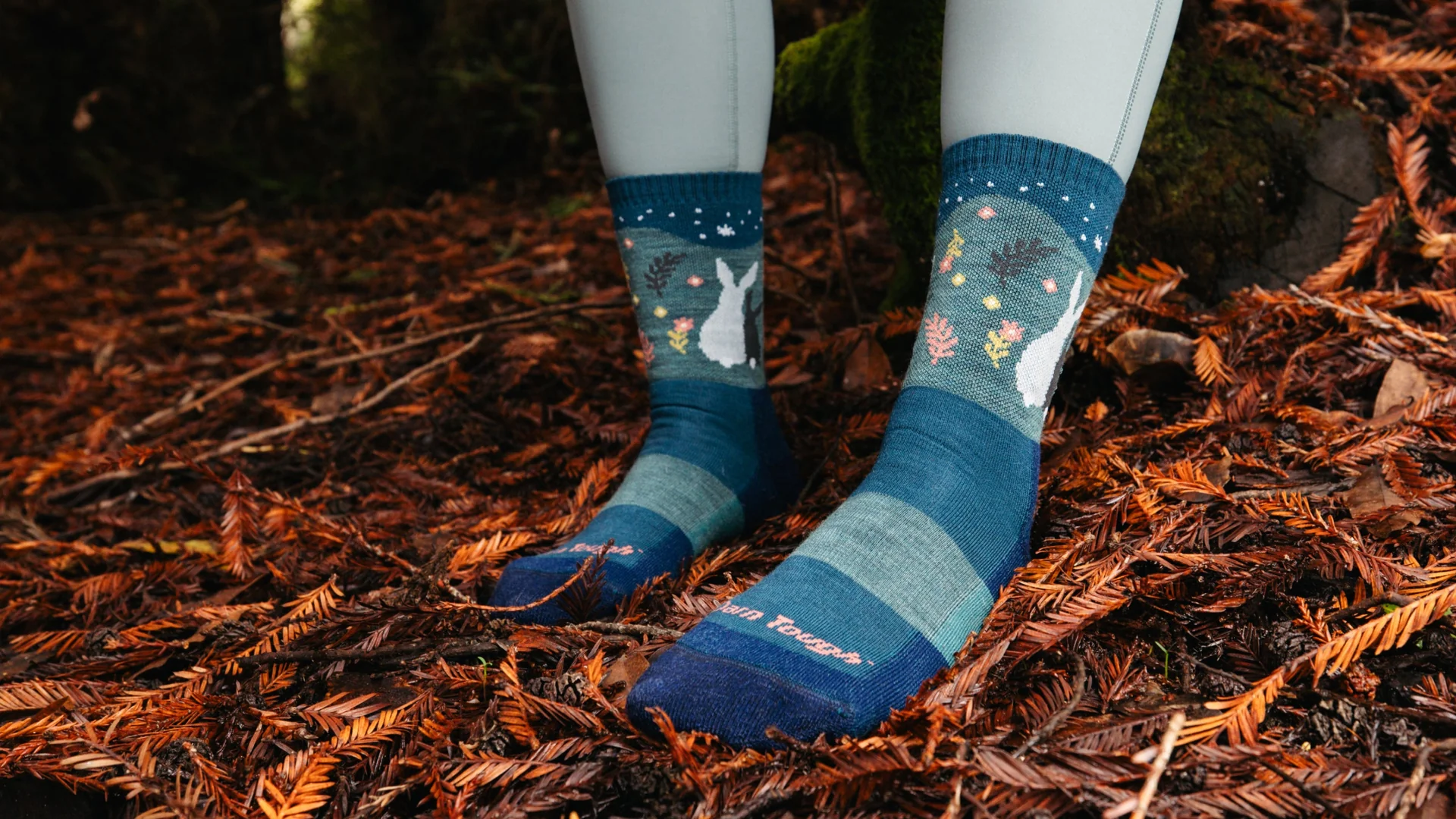
Footwear comfort is often treated as an afterthought, yet the material composition of a sock has a measurable effect on daily performance, foot health, and long-term wearability. This is particularly relevant in the United States, where climates vary dramatically by region and season — from the humid summers of the Southeast to the dry cold of the Mountain West and the wet winters of the Pacific Northwest. For women navigating these conditions, the choice of sock material is not simply about preference. It is about making a practical decision that holds up across repeated use, shifting temperatures, and varied activity levels.
Wool, as a fiber, has been used in textile manufacturing for centuries. Its continued relevance in modern sock construction is not nostalgia — it is a product of functional properties that synthetic materials have not fully replicated. Understanding how those properties apply across seasons, activities, and climate conditions helps any buyer make an informed purchase rather than a habitual one.
Table of Contents
What Makes Wool the Right Material for Year-Round Sock Use
Wool fiber contains a natural crimp structure that creates small air pockets within the fabric. These pockets serve as insulation in cold conditions and allow airflow in warmer ones, which explains why wool functions across temperature ranges where most other single-material socks do not. The fiber also absorbs moisture vapor before it becomes liquid perspiration, which keeps the skin drier compared to cotton, which holds moisture against the foot. For women who spend extended hours on their feet — whether in an office environment, on a job site, or outdoors — this moisture management quality directly affects comfort and reduces the risk of blistering and skin irritation.
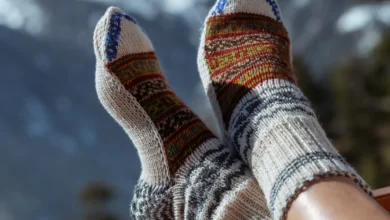
The category of ladies wool socks covers a broad range of construction styles, thicknesses, and wool blends, and understanding what distinguishes them is the first step in choosing the right pair for the right context. Consumers looking for guidance across the full range of women’s wool sock options can find a well-organized selection at ladies wool socks, which groups products by construction and purpose.
Wool Versus Synthetic Blends: A Functional Distinction
Not all wool socks are made from 100% wool, and this is worth understanding rather than dismissing. Many high-quality socks blend wool with nylon, spandex, or polyester to improve durability, shape retention, and elasticity. Wool on its own, while naturally resilient, can break down at high-friction points — particularly around the heel and toe — with repeated use. A small percentage of nylon in the blend reinforces these areas without compromising the thermal or moisture-wicking properties of the wool itself.
Merino wool, which comes from Merino sheep and is finer in diameter than standard wool, is commonly used in performance sock construction because it resists the itching sensation associated with coarser wool grades. This makes it suitable for direct skin contact without a liner, which is a practical consideration for women choosing socks for all-day wear across varied activities.
Seasonal Considerations for Wool Sock Selection in the US
The continental United States presents some of the most varied seasonal and regional climate conditions of any country. A sock that performs well during a Colorado winter will feel excessive in a Georgia autumn. Matching sock weight and construction to the actual conditions of use — rather than purchasing a single style for all occasions — is the approach that delivers consistent comfort and sock longevity.
Cold-Weather Performance: What Heavier Wool Construction Offers
In regions where winter temperatures drop significantly — across the northern states, mountain communities, and the upper Midwest — heavier wool sock construction provides meaningful insulation. Thicker pile construction and tighter knit density trap more air, which sustains warmth over extended periods in cold environments. This matters for outdoor workers, hikers, and anyone spending prolonged time in below-freezing temperatures.
What distinguishes well-made cold-weather wool socks from inferior versions is the evenness of the knit and the consistency of the pile height across the foot. Uneven construction creates pressure points and accelerates wear. A sock that maintains its loft and cushion after repeated washing is one that has been constructed with appropriate yarn weight and knit tension from the outset.
Spring and Fall: Transition Seasons and Mid-Weight Wool
Mid-weight wool socks occupy a practical middle ground that is often overlooked. In the Pacific Northwest, much of New England, and transitional climate zones throughout the country, temperatures fluctuate significantly between morning and afternoon. A sock that provides warmth at the start of a day without causing overheating by midday is a genuinely useful piece of clothing, not a marketing category.
Mid-weight constructions typically use a medium yarn gauge and moderate pile, which offers enough insulation for cool mornings while remaining breathable as temperatures rise. These socks also tend to work well across a broader range of footwear — from work boots to casual shoes — which makes them a reliable option for women who do not want to manage multiple sock categories across changing weather patterns.
Summer Wear: Lightweight Wool as a Breathable Option
The assumption that wool is exclusively a cold-weather fiber has caused many buyers to default to cotton or synthetic socks in warmer months. Lightweight wool sock construction, particularly those made with fine Merino wool, performs well in warm conditions because the fiber continues to regulate moisture even as temperatures rise. The result is a sock that keeps the foot drier than cotton, which becomes saturated and retains that moisture against the skin.
In states with humid summers — throughout the South, the Gulf Coast, and the mid-Atlantic — this moisture regulation becomes a real comfort factor, not a theoretical one. Foot odor, which is caused by bacterial growth in moist environments, is also reduced when the foot stays drier, which is a practical consideration for women in professional or social settings where changing socks during the day is not a realistic option.
Fit, Construction, and Long-Term Durability
The construction quality of a wool sock determines how it performs over time, not just how it feels on first wear. A sock that loses its shape after a few wash cycles, develops holes at the heel quickly, or loses elasticity at the cuff is a sock that was either poorly constructed or made from materials that were not appropriate for the application.
Understanding Sock Fit and Why It Matters for Everyday Wear
Fit in a sock is determined by the relationship between knit density, yarn elasticity, and the sizing system used by the manufacturer. A sock that is too loose bunches under the foot and creates friction points that cause blistering. A sock that is too tight restricts circulation and accelerates fatigue. For women who spend full workdays on their feet, neither outcome is acceptable.
Proper fit also relates to the sock’s behavior inside the shoe. A sock that stays in place without shifting throughout the day is one that has been constructed with the right balance of elastic content and overall sizing. This is particularly relevant for women who wear fitted footwear or spend time in environments where stopping to adjust socks is not practical.
Washing and Care as a Factor in Sock Lifespan
Wool fiber is susceptible to felting — a process where fibers lock together and shrink — when exposed to heat and agitation simultaneously. Most quality wool socks are designed to withstand machine washing on a gentle cycle at cool temperatures, and many Merino blends are labeled machine washable without restriction. Following care instructions directly extends the usable life of the sock and preserves the insulating and moisture-wicking properties of the wool over time.
According to the American Textile Manufacturers Institute’s guidance on natural fiber care, wool products that are properly maintained retain their structural properties significantly longer than those subjected to heat or improper handling. This is a practical detail that affects the cost-per-wear calculation of any wool sock purchase.
Practical Guidance for Specific Activities and Environments
Women’s wool socks are used across a wide range of activities, and the performance demands of each activity differ enough that treating them as interchangeable is a mistake that affects both comfort and sock longevity.
• Hiking and trail use requires a sock with significant cushioning in the heel and forefoot, reinforced toe construction, and enough height to protect the ankle from boot friction. Wool socks designed for hiking are typically mid-calf or crew height and use a denser knit at impact points.
• Professional environments where comfort over a full workday is the priority benefit most from lightweight to mid-weight wool crew socks that fit cleanly inside dress shoes or low-profile footwear without adding visible bulk.
• Cold-weather outdoor work — common in agriculture, construction, and similar fields — demands boot-compatible socks with high wool content, adequate cushion, and a fit that does not compress the foot inside a heavy boot.
• Everyday casual use is well served by mid-weight Merino crew or ankle socks that transition comfortably between indoor and light outdoor conditions without feeling specialized for either.
• Travel, particularly air travel and long periods of seated inactivity, benefits from wool’s natural breathability and odor resistance, which maintains comfort across extended wear without requiring a sock change.
Conclusion
Wool socks for women are not a uniform category. Wool type, construction weight, knit density, blend composition, and intended use all determine whether a given sock performs as expected across a season or falls short within a few weeks. The US climate adds additional complexity because what works well in one region or season may be entirely wrong for another.
The most consistent approach to selecting wool socks is to start with the actual conditions of use — climate, activity, footwear, and duration of wear — and match construction accordingly rather than defaulting to the most familiar or most affordable option available. Wool as a base material offers reliable performance across conditions that no other single fiber matches, but that performance depends on choosing the right construction for the right application and caring for the socks properly over time. For women who rely on their footwear to hold up through demanding daily routines, that specificity makes a real difference.
-
-
-
-
-

-