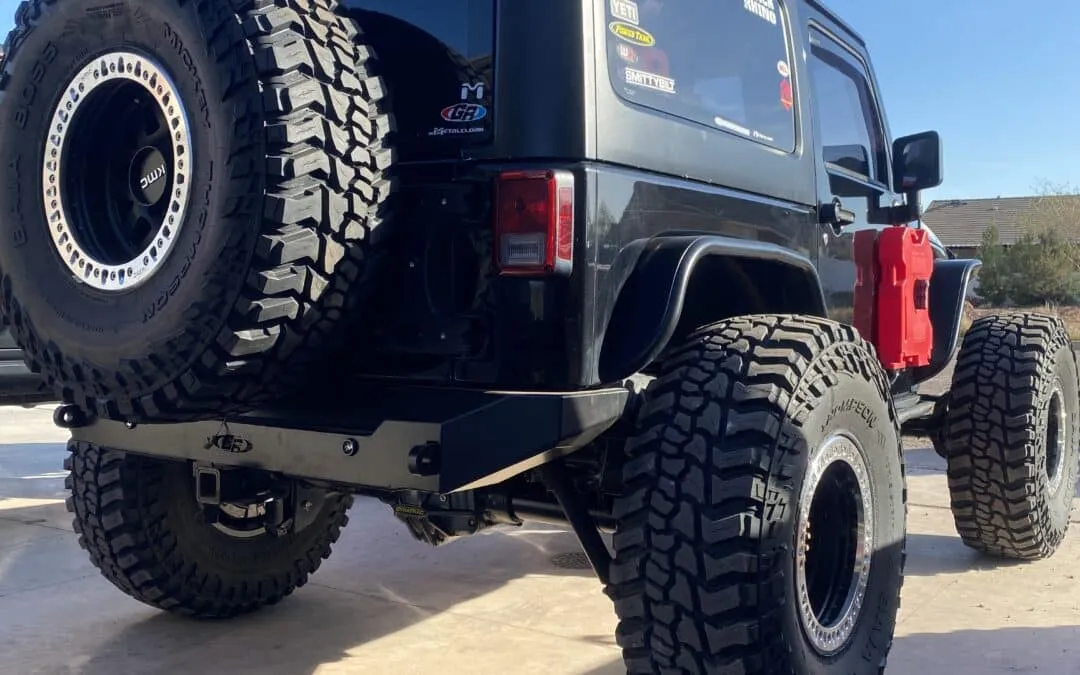
Off-road enthusiasts commonly seek modifications to improve their vehicle’s capability and durability in rugged terrain. Among the most effective and popular upgrades available are 4×4 lift kits. These kits allow for enhanced ground clearance, which provides better obstacle navigation and improved suspension travel. This article explores the advantages of 4×4 lift kits, their impact on vehicle performance, and considerations for selecting the right kit.
Table of Contents
Understanding 4×4 Lift Kits
4×4 lift kits are specialised suspension components designed to increase the height of a four-wheel-drive vehicle. These kits lift the body or suspension of the vehicle higher above the axle, resulting in increased ground clearance. This modification is essential for off-road driving where uneven surfaces, rocks, mud, and deep water crossings are common challenges.
Lift kits vary in design and complexity, ranging from simple body lifts that raise the vehicle without affecting suspension geometry to suspension lifts that alter spring and shock dimensions for improved articulation and handling. The choice between these depends on the desired off-road capability and budgetary allowances.
Benefits of Installing 4×4 Lift Kits
One of the primary advantages of installing a 4×4 lift kit is the increased ground clearance it offers. Better clearance helps prevent the undercarriage from making contact with obstacles, which can otherwise cause damage to vital parts such as the exhaust system, oil pan, and drive shafts.
Moreover, lift kits facilitate the use of larger tyres. Bigger tyres enhance traction and off-road performance, enabling vehicles to traverse rougher terrains with greater ease. They also improve approach, breakover, and departure angles, reducing the risk of getting stuck on steep inclines or declines.
Beyond mechanical benefits, many off-road drivers prefer the visual enhancement lift kits provide. The elevated stance lends a more aggressive and commanding presence, which many enthusiasts find appealing.
Types of Lift Kits Available
Lift kits are broadly categorised into three main types: body lift kits, suspension lift kits, and leveling kits. Each serves different purposes and produces varying results.
Body Lift Kits
Body lift kits raise the vehicle’s body from the chassis without modifying the suspension components. These kits typically involve fitting spacers between the body mounts and frame, increasing the clearance to accommodate larger tyres. Body lifts are usually the most economical option and do not affect ride quality or suspension geometry significantly. However, they provide limited lift compared to suspension kits.
Suspension Lift Kits
Suspension lift kits modify or replace springs, shocks, control arms, and other suspension parts to raise the vehicle’s ride height. These kits offer superior off-road performance by increasing suspension travel and articulation. Suspension lifts also improve clearance under axles, which body lifts cannot achieve. This type of lift requires professional installation and tuning to ensure vehicle safety and drivability on and off-road.
Leveling Kits
Leveling kits are smaller lifts aimed at correcting the common factory rake of vehicles, where the front sits lower than the rear. These kits raise the front end to bring it level with the rear, enhancing the vehicle’s appearance and allowing for slightly larger front tyres. Leveling kits do not provide as much lift as full suspension kits but are an affordable introduction to vehicle modification.
Choosing the Right 4×4 Lift Kit
Selecting the appropriate lift kit depends on multiple factors, with the primary considerations being intended use, budget, and maintenance capacity. For drivers focusing on mild off-roading and improved aesthetics, a body lift or leveling kit may suffice. Conversely, avid off-roaders who frequently navigate challenging terrain may require a comprehensive suspension lift for increased clearance and articulation.
Consideration of vehicle make and model is also crucial, as lift kits are often tailored to specific platforms. Using an incompatible lift kit may result in poor fitment, handling issues, and premature wear on components.
Budget considerations include the cost of the kit itself and installation expenses. Suspension lifts generally cost more than body lifts and often necessitate additional modifications such as brake line extensions, drive shaft adjustments, and wheel alignment services.
Impact of 4×4 Lift Kits on Vehicle Handling
While lift kits improve off-road capability, they can influence on-road handling. Raising the vehicle’s centre of gravity may lead to increased body roll during cornering and reduced stability at higher speeds. Suspension lift kits, when not installed properly, can also affect steering geometry, causing problems such as bump steer or vibration.
It is essential that the installation process is carried out by professionals familiar with the intricacies involved. Additionally, some drivers may need to adjust driving habits and vehicle speed to accommodate the altered handling characteristics that come with increased ride height.
Legal and Safety Considerations
In many regions, modifications affecting vehicle height are subject to legal restrictions. Compliance with local vehicle standards and regulations should be verified prior to purchasing and fitting a 4×4 lift kit. These regulations may dictate maximum allowable lift heights, lighting adjustments, and brake requirements.
Safety inspections and engineering certification may also be necessary, especially if the lift significantly alters suspension or chassis geometry. Ensuring that the modifications meet safety and roadworthiness standards protects drivers, passengers, and other road users.
Maintenance After Installing Lift Kits
Installing a 4×4 lift kit can alter wear patterns on suspension and drivetrain components. Regular inspections and maintenance become even more important to identify problems such as uneven tyre wear, premature part failure, or alignment issues early.
Tyre alignment should be checked frequently to maintain optimal handling and reduce wear. Additionally, brake lines, driveshafts, and other components must be monitored for signs of stress or damage caused by the increased suspension travel and lift.
Summary
4×4 lift kits provide substantial benefits for off-road enthusiasts seeking enhanced performance, improved ground clearance, and the capacity to fit larger tyres. By choosing the appropriate type of lift kit, drivers can tailor their vehicles to specific off-road demands. However, it is vital to consider the trade-offs in handling, legal requirements, and maintenance needs following installation.
Any modification involving vehicle height should be approached with due diligence, including selecting quality components, professional installation, and adherence to safety regulations. For those looking to elevate their 4WD experience and tackle more challenging environments, investing in a well-chosen 4×4 lift kit is a fundamental step towards achieving that goal.
-
-

-

-

-

-