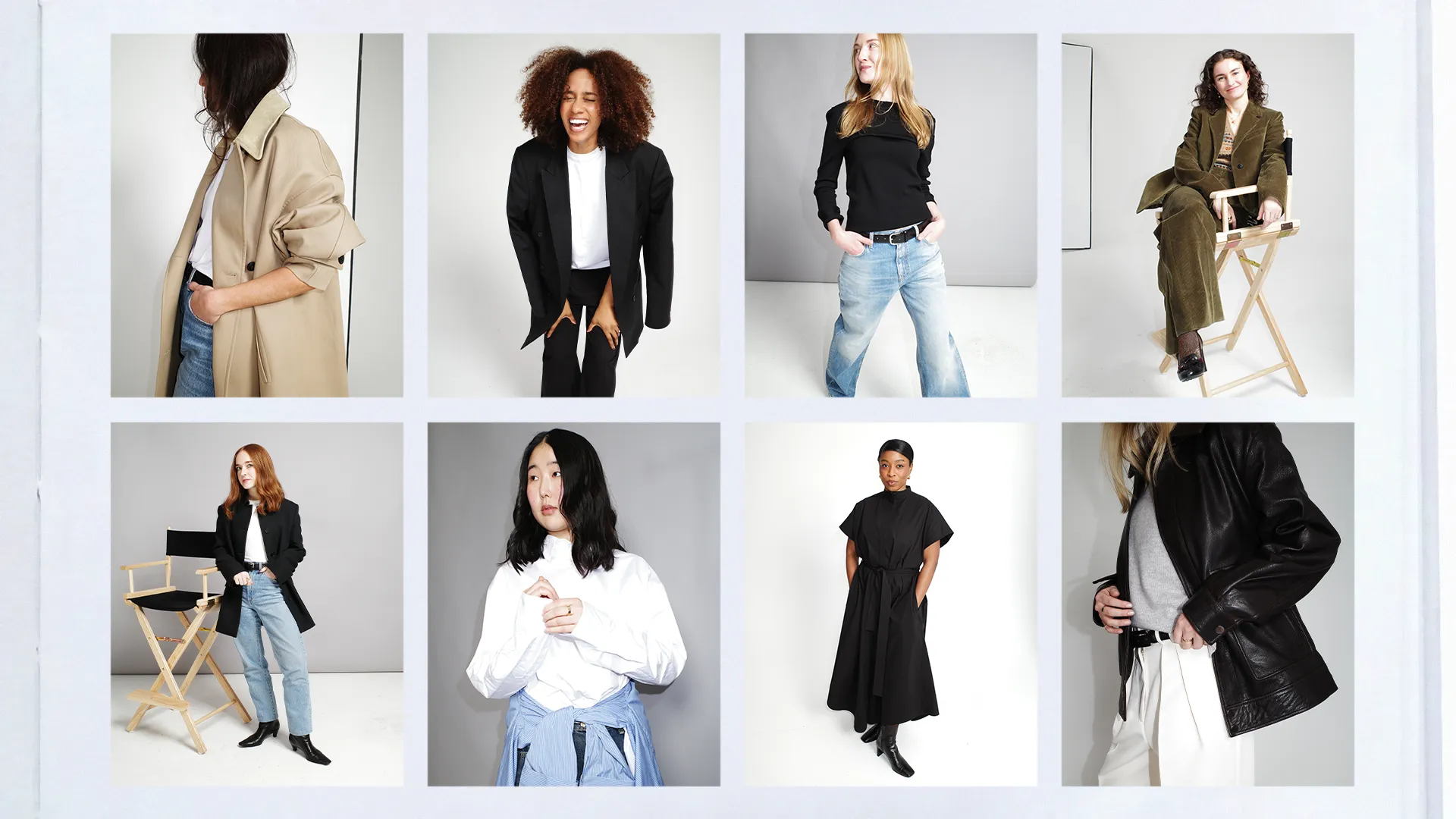
A dress is more than just a piece of clothing; it is an expression of style, confidence, and personality. From casual outings to formal events, the right dress can make a lasting impression. In modern fashion, dresses are designed to suit every occasion, body type, and personal taste, making them an essential element of every woman’s wardrobe.
Understanding Dress Styles
Dresses come in a wide array of styles, each offering a unique aesthetic. A-line dresses are universally flattering, creating a balanced silhouette that works for both casual and formal occasions. Bodycon dresses emphasize curves and are ideal for evening events or parties, while shift dresses offer a relaxed fit, perfect for professional or daytime wear.
Maxi dresses provide elegance and comfort, ideal for both casual summer outings and formal dinners. Midi dresses combine sophistication with versatility, offering a look that transitions seamlessly from office settings to social gatherings. Understanding the variety of styles allows women to select dresses that complement their body shapes and lifestyles.
Choosing the Right Fabric
The fabric of a dress significantly impacts its comfort, appearance, and suitability for different occasions. Cotton and linen dresses are breathable, lightweight, and perfect for everyday wear or warm weather. Silk, satin, and chiffon provide a luxurious touch for formal events, draping beautifully and creating an elegant flow.
Blends of synthetic fabrics, such as polyester with stretch, offer durability, wrinkle resistance, and easy maintenance. The choice of fabric should reflect both the purpose of the dress and the wearer’s comfort preferences, ensuring a polished and practical outfit.
Color and Pattern Trends
Color and patterns define the mood and style of a dress. Neutral shades such as black, navy, beige, and white remain timeless, offering versatility and easy pairing with accessories. These colors are perfect for professional settings, formal occasions, and minimalistic fashion enthusiasts.
Current fashion trends encourage experimentation with bold colors, pastel tones, and seasonal shades. Florals, geometric patterns, and abstract prints add personality and dimension to casual or semi-formal dresses. Bright colors and intricate patterns work well for festive events, while muted tones maintain sophistication and elegance for professional wear.
The Importance of Fit
A well-fitted dress enhances natural curves and conveys confidence. Tailored dresses, especially those in bodycon or sheath styles, should fit snugly without restricting movement, emphasizing a flattering silhouette. A-line and shift dresses provide comfort and freedom while maintaining elegance, suitable for everyday or professional settings.
Understanding body proportions and choosing a dress that complements your shape ensures a balanced and stylish appearance. Avoiding overly tight or baggy designs guarantees a refined look and boosts confidence.
Styling Dresses for Different Occasions
Dresses offer endless styling possibilities to suit various occasions:
- Casual Outings: Pair a cotton or linen dress with flat sandals or sneakers for a relaxed, chic appearance. Accessories such as hats or light scarves add personality to the outfit.
- Professional Settings: Structured shift or A-line dresses in neutral tones paired with a blazer and pumps create a polished, office-ready look. Minimal jewelry enhances professionalism.
- Evening Events: Opt for silk, satin, or embellished dresses for dinner parties or formal gatherings. Complement the outfit with heels, a clutch, and subtle jewelry for a sophisticated appearance.
- Layering Options: Dresses can be paired with jackets, cardigans, or coats to adapt to cooler weather or to add texture and dimension. Belts and accessories personalize the look while maintaining style.
Maintaining and Caring for Dresses
Proper care is essential to preserve the quality and longevity of dresses. Cotton and linen dresses are best washed in cold water to prevent shrinking, while delicate fabrics like silk or chiffon may require hand washing or professional cleaning.
Ironing or steaming immediately after washing maintains a neat appearance, especially for formal wear. Storing dresses on hangers or folded neatly prevents wrinkles and preserves the garment’s shape. Consistent care ensures dresses remain stylish, comfortable, and ready for any occasion.
Sustainable Dress Choices
Sustainability is increasingly important in fashion. Dresses made from organic cotton, recycled materials, or eco-friendly dyes support ethical practices and reduce environmental impact. These fabrics often retain quality and durability over time, offering both style and practicality.
Investing in classic, versatile dress designs instead of fast-fashion trends promotes longevity and a sustainable wardrobe. By making conscious choices, women can enjoy fashionable, responsible, and long-lasting clothing.
Emerging Trends in Women’s Dresses
Modern dress designs continue to evolve, blending traditional elegance with contemporary innovation. Asymmetrical hems, layered styles, and high-low cuts provide dynamic and modern silhouettes. Stretchable and wrinkle-resistant fabrics cater to active lifestyles while maintaining comfort and sophistication.
Personalization and versatility are key trends, with adjustable waistbands, convertible styles, and mix-and-match designs gaining popularity. These innovations allow women to create outfits suited to various occasions, moods, and personal styles.
Conclusion: Dresses as a Wardrobe Essential
Dresses remain a vital part of a modern woman’s wardrobe, offering elegance, versatility, and style. By understanding fabrics, fits, colors, and styling options, women can select dresses that suit multiple occasions and reflect their personality. From casual daywear to evening elegance, the right dress combines comfort, confidence, and fashion seamlessly.
Investing in quality dresses, caring for them properly, and exploring modern trends ensures they remain timeless wardrobe staples. Dresses continue to empower women to express their individuality, sophistication, and style in every aspect of life.
-
-

-

-

-
-