Imagine stepping out of the shower one morning, reaching for your hearing aids on the bathroom counter, and realizing the steam has already done its damage. The sound cuts in and out, static crackles where voices should be, and suddenly you’re facing a repair bill that could run hundreds of dollars. This scenario plays out for thousands of hearing aid users every year, often when they least expect it. Moisture damage remains one of the most common and costly threats to hearing aid functionality, whether it comes from sweat during a morning walk, unexpected rain, or simply the humidity in the air. The good news is that waterproof covers offer a straightforward, effective solution to this persistent problem. This article will guide you through understanding why moisture protection matters, how waterproof covers work, and which accessories complement them for comprehensive hearing aid care. Your hearing aids represent a significant investment in your quality of life—protecting them properly ensures you continue hearing clearly without unexpected interruptions or expenses.
Table of Contents
The Critical Need for Waterproof Protection in Hearing Aids
Water and moisture account for the majority of hearing aid malfunctions, making them the single greatest environmental threat to these sensitive electronic devices. Industry data suggests that moisture-related repairs represent up to 60 percent of all hearing aid service claims, with average repair costs ranging from $200 to $500 per incident. Beyond the financial burden, users often face one to two weeks of downtime while their devices are serviced—a period that can feel isolating and disruptive for anyone who depends on amplification for daily communication.
For individuals with hearing loss, even a single day without functioning hearing aids can mean missed conversations with family, difficulty at work, and compromised safety when environmental sounds go undetected. The sources of damaging moisture are everywhere: perspiration during exercise, condensation from temperature changes, rain caught during outdoor activities, and even the natural humidity present in many climates. Internal components like microphones, receivers, and battery contacts are particularly vulnerable to corrosion once moisture penetrates the device casing. This reality makes proactive protection not just advisable but essential. Waterproof covers serve as a practical, affordable barrier that can extend your hearing aid’s functional lifespan by years, preventing the gradual degradation that unchecked moisture exposure inevitably causes.
Understanding Waterproof Hearing Aid Covers: Your First Line of Defense
Waterproof hearing aid covers are slim, form-fitting sleeves designed to shield your devices from moisture without interfering with their acoustic performance. Think of them as a raincoat tailored specifically for your hearing aids—they keep water out while letting sound pass through unobstructed. These covers create a sealed barrier that repels sweat, rain, splashes, and ambient humidity, preventing moisture from reaching the delicate electronics housed inside your devices. Whether you’re caught in a downpour, working out at the gym, or simply living in a humid climate, proper waterproof covers act as your first line of defense against the gradual corrosion and sudden failures that moisture causes.
The market offers several types to accommodate different hearing aid styles. Behind-the-ear (BTE) models typically use stretch-fabric sleeves or silicone wraps that cover the processor unit resting behind the ear. Receiver-in-canal (RIC) devices may require two-piece solutions that protect both the behind-ear component and the receiver wire. In-the-ear (ITE) styles often use custom-molded covers or hydrophobic coatings applied directly to the device surface. Selecting the right type depends on your specific hearing aid model, so matching the cover to your device’s form factor ensures complete protection without compromising comfort or sound clarity.
Materials and Technologies in Modern Waterproof Covers
Today’s waterproof covers rely on advanced materials engineered to balance protection with performance. Medical-grade silicone remains popular for its flexibility, durability, and hypoallergenic properties—it conforms snugly to device contours while creating a reliable moisture seal. Nano-coating technologies take a different approach, applying an invisible hydrophobic layer at the molecular level that causes water to bead and roll off surfaces. Some manufacturers combine spandex-blend fabrics with waterproof membranes, offering breathability that prevents trapped condensation while still blocking external moisture. When comparing options, silicone covers tend to last longer and provide more robust protection, while nano-coatings feel virtually undetectable but may require periodic reapplication. Comfort-wise, thinner materials reduce bulk behind the ear, which matters for all-day wearers.
Essential Hearing Aid Accessories for Comprehensive Maintenance
Waterproof covers form the foundation of moisture protection, but a complete maintenance strategy involves several complementary accessories working together. Wax guards, ear domes, and drying boxes each address a specific vulnerability that hearing aids face during everyday use. For anyone searching for suitable hearing aid accessories, understanding how these components interact can mean the difference between devices that last two years and those that perform reliably for five or more. Brands like ELEHEAR and other hearing aid manufacturers often provide guidance on compatible accessories for their devices, making it easier to build a cohesive maintenance kit. Wax guards prevent cerumen from clogging receivers, ear domes maintain proper acoustic sealing and comfort, and drying boxes extract moisture that inevitably accumulates despite external covers. Together with waterproof covers, these accessories create a layered defense system that keeps your hearing aids functioning at peak performance while minimizing trips to the audiologist for preventable repairs.
Wax Guards: Preventing Buildup for Clear Sound
Wax guards are tiny filters installed at the sound outlet of your hearing aid, designed to trap earwax before it reaches and damages the receiver. Without them, cerumen gradually accumulates inside the device, muffling sound output and eventually causing complete blockage. Most manufacturers recommend replacing wax guards every one to three months, though heavy wax producers may need more frequent changes. When selecting replacements, match the guard system to your specific hearing aid brand—common systems include click-style, rotating wheel, and push-pull designs. Your audiologist can identify the correct type during routine appointments, and keeping a supply on hand ensures you never tolerate degraded sound quality unnecessarily.
Ear Domes: Ensuring Comfort and Acoustic Seal
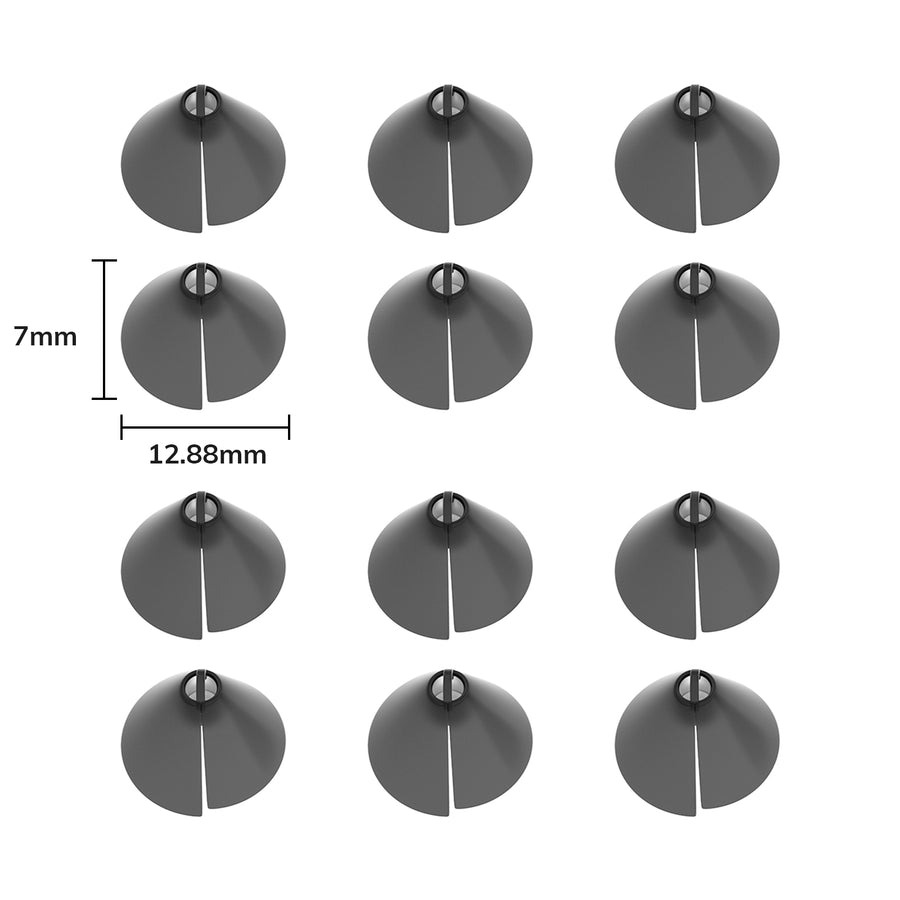
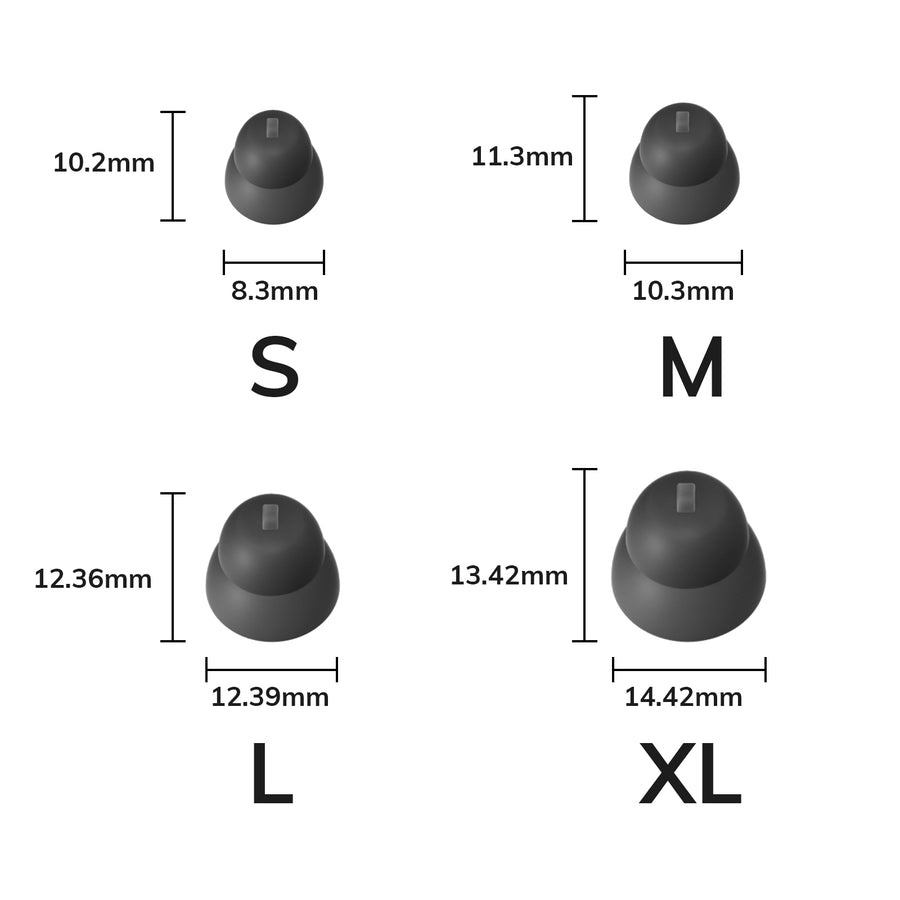
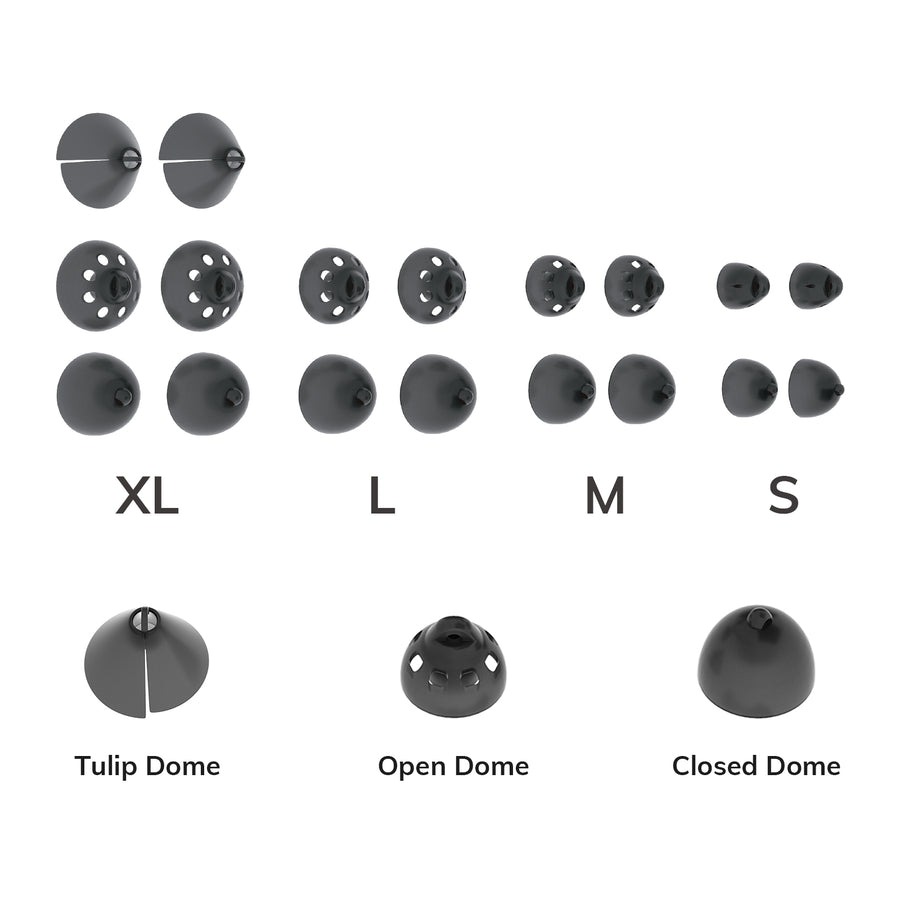
Ear domes are the soft silicone tips that sit inside your ear canal, serving the dual purpose of securing the hearing aid receiver in place and creating an acoustic seal that optimizes sound delivery. Proper sizing is critical—a dome that’s too small allows amplified sound to leak out, reducing effectiveness, while one that’s too large creates pressure and discomfort that discourages consistent wear. Most brands offer open, closed, and power dome varieties in multiple sizes. Replace domes every two to three months as the silicone hardens and loses its seal. Well-fitted domes also complement waterproof covers by reducing the chance of moisture wicking into the ear canal along the receiver wire.
Drying Boxes: Eliminating Moisture for Longevity
Drying boxes use gentle heat, desiccants, or UV light to extract accumulated moisture from hearing aids overnight. Even with waterproof covers in place during the day, condensation from body heat and temperature fluctuations can build up inside device housings over time. Placing your hearing aids in a drying box each night counteracts this invisible accumulation, preventing the slow corrosion of battery contacts and circuit boards that leads to intermittent failures. For best results, remove batteries or open battery doors before placing devices inside, run the drying cycle for the full recommended duration of six to eight hours, and replace desiccant capsules according to the manufacturer’s schedule—typically every two months.
How to Choose the Right Waterproof Covers and Accessories: A Practical Guide
Selecting the right waterproof covers and hearing aid accessories requires a thoughtful approach that accounts for your specific devices, daily habits, and environment. The wrong choice can leave gaps in protection or create unnecessary discomfort that discourages consistent use. A systematic selection process helps you invest wisely and build a maintenance kit that genuinely serves your needs.
Start by identifying your hearing aid brand and model number—this information appears on the device itself or in your original documentation. Compatibility is non-negotiable, as a cover designed for a behind-the-ear device won’t fit an in-the-ear model, and even within BTE styles, dimensions vary between manufacturers. Next, assess your lifestyle honestly. If you exercise daily or live in a tropical climate, prioritize heavy-duty silicone covers with sealed seams over lighter nano-coatings. Weekend gardeners or occasional walkers may find thinner, more breathable options sufficient for their exposure level.
Budget matters, but consider cost per month of use rather than upfront price alone—a durable silicone cover lasting twelve months often outperforms cheaper alternatives that degrade in eight weeks. Read user reviews from people with similar hearing aid models and activity levels, paying attention to comments about fit, sound interference, and longevity rather than overall star ratings alone. Finally, consult your audiologist before purchasing. They can confirm compatibility, recommend brands they’ve seen perform well with your specific devices, and sometimes order accessories at professional pricing. Bringing your shortlisted options to an appointment transforms guesswork into an informed decision backed by clinical experience.
Implementing a Step-by-Step Hearing Aid Maintenance Routine
A consistent maintenance routine transforms hearing aid care from an occasional afterthought into an effortless habit that pays dividends in device longevity and sound quality. Building this routine around your existing daily schedule makes it sustainable—attach each step to something you already do, like brushing your teeth or charging your phone at night.
Each morning before inserting your hearing aids, inspect them briefly for visible moisture or debris. Fit your waterproof covers snugly over the devices, ensuring no gaps exist around microphone ports or seams—run a finger along the edges to confirm full contact. If you’re heading into a high-moisture situation like exercise or outdoor work, double-check that covers are seated properly and consider carrying a spare microfiber cloth for midday wipe-downs. Throughout the day, avoid touching covers with wet hands, and if you remove your hearing aids temporarily, store them in a protective case rather than setting them on open surfaces where humidity accumulates.
Every evening, remove the waterproof covers and wipe both the covers and devices with a dry, lint-free cloth. Open battery doors or power down rechargeable models, then place hearing aids in your drying box for the full overnight cycle. Once weekly, inspect wax guards under good lighting and replace any that appear discolored or clogged. Check ear domes for cracks, hardening, or accumulated residue, swapping them out every two to three months or sooner if you notice fit changes. Clean waterproof covers weekly with mild soap and water, allowing them to air dry completely before the next use. This layered routine—daily cover application, nightly drying, and weekly component checks—addresses every major threat your hearing aids face and keeps unexpected failures from disrupting your life.
Protect Your Investment with Consistent Moisture Defense
Moisture remains the most persistent and costly threat to hearing aid performance, but it doesn’t have to dictate your experience. Waterproof covers provide an essential first barrier, shielding sensitive electronics from sweat, rain, and humidity that would otherwise corrode internal components and lead to frustrating failures. When paired with complementary accessories—wax guards that keep receivers clear, properly fitted ear domes that maintain acoustic integrity, and drying boxes that extract hidden condensation overnight—these covers become part of a comprehensive defense system that dramatically extends device lifespan.
The financial case alone is compelling: spending modestly on protective accessories can prevent repair bills that run into hundreds of dollars, while eliminating the communication gaps that come with devices sent away for servicing. Beyond cost savings, consistent maintenance preserves the sound quality you rely on for conversations, safety awareness, and connection to the world around you. Take action today by identifying the correct waterproof cover for your specific hearing aid model, assembling a basic maintenance kit, and building a daily routine that takes no more than five minutes morning and evening. Your hearing aids are designed to serve you for years—with proper protection, they will.
-
-

-

-

-

-