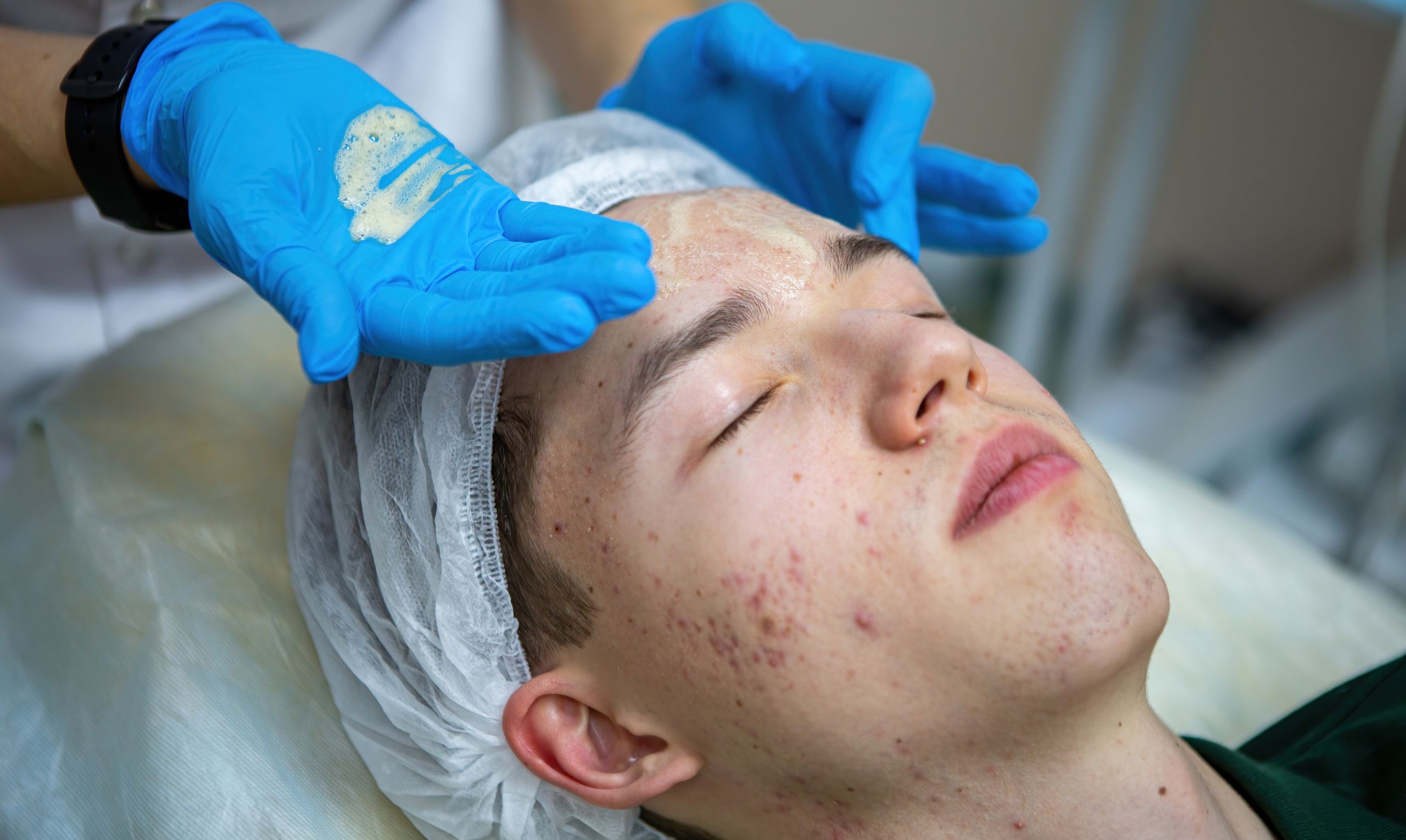
Skin concerns rarely announce themselves with clear timing. A rash appears before an important week. A mole changes appearance gradually, making it easy to dismiss. Persistent acne continues despite over-the-counter treatments that were supposed to work. For residents and working professionals in HSR Layout, the decision to finally consult a dermatologist often comes after a period of waiting, self-treating, or second-guessing whether the concern is serious enough to warrant a clinical visit.
What many people don’t fully understand is that dermatology is a broad specialty. The experience you have, the outcomes you can expect, and the preparation you bring all affect how useful that first appointment actually is. Before walking into a clinic, there are several things worth knowing — not to create anxiety, but to make the visit more productive and the follow-through more consistent.
Table of Contents
1. Dermatology Is Not a Single-Issue Specialty
Many people assume dermatology is primarily about skin appearance — treating acne, removing blemishes, or addressing cosmetic concerns. In reality, a dermatologist manages a much wider range of conditions, including autoimmune skin disorders, nail and hair conditions, chronic inflammatory diseases, and skin cancer screening. When you search for a dermatologist hsr layout, you’re accessing a specialty that sits at the intersection of internal medicine, pathology, and surface-level clinical assessment.
This matters because patients often underestimate or misidentify their own conditions. What looks like dry skin might be eczema. What appears to be a minor rash might be an early sign of psoriasis or contact dermatitis. Understanding that the specialty is broad helps you communicate your symptoms more accurately rather than arriving with a pre-formed self-diagnosis.
Why Full-Spectrum Clinics Are More Useful
A clinic that handles both medical and cosmetic dermatology gives you more flexibility as your needs change. Someone visiting for acne treatment today may need a mole evaluation next year. Having a clinical record with one provider who understands your skin history reduces the risk of repeated assessments, redundant testing, and disconnected care. It also shortens consultation time on return visits because the baseline is already established.
2. Preparation Directly Affects Diagnostic Accuracy
Dermatologists rely heavily on what they see and what you tell them. Unlike some specialties where lab work or imaging drives the diagnosis early, dermatology begins with a visual assessment and a clinical history. If you arrive unprepared — unable to describe when the condition started, what makes it worse, or what you’ve already tried — the consultation can become less efficient than it should be.
What to Bring and What to Document
Before your appointment, take clear photographs of affected areas, particularly if the condition is intermittent or changes in appearance. Write down the timeline of symptoms, any products or medications you use on your skin, any recent dietary or environmental changes, and any family history of skin conditions. This documentation doesn’t need to be formal, but it should be specific. Saying “it started about two months ago after I changed my soap and gets worse at night” is far more useful than “it’s been itchy for a while.”
• Photograph the affected area in natural lighting before your appointment, especially if the condition fluctuates in severity
• List all topical products you use, including moisturizers, sunscreen, and any prescription creams from previous treatments
• Note any recent exposure to new materials, environments, metals, or foods that coincided with the symptom onset
• Document any prior diagnoses or treatments for the same or similar condition, including what worked and what didn’t
3. Not Every Skin Concern Requires Immediate Treatment
A common expectation from dermatology visits is that every condition will result in a prescription or a procedure. This isn’t always the case. Some conditions are monitored over time rather than treated immediately. Others resolve with simple adjustments to skincare routine or environmental exposure. A dermatologist’s first recommendation might be observation, lifestyle modification, or a patch test to identify allergens rather than a direct intervention.
The Risk of Rushing Treatment
When patients feel that something visible on their skin requires an immediate fix, they sometimes push for stronger treatments than the condition warrants. Topical steroids, for example, are highly effective but can cause skin thinning and other complications when used incorrectly or for too long. Dermatologists use a phased approach to treatment because the skin’s response to intervention takes time to assess. Patience at this stage reduces the risk of side effects and over-treatment.
4. Cosmetic and Medical Dermatology Operate Differently
Cosmetic dermatology involves elective procedures — treatments for pigmentation, aging, scarring, or appearance-related concerns. Medical dermatology addresses conditions that affect skin health and function. In an HSR Layout dermatology clinic, both may be available, but they are governed by different clinical priorities, different consultation processes, and different expectations for outcomes.
Setting Realistic Expectations for Cosmetic Procedures
Cosmetic procedures like chemical peels, laser treatments, or pigmentation correction are not one-time solutions. They require a series of sessions, maintenance, and sun protection to sustain results. Patients who approach cosmetic dermatology expecting instant or permanent change often end up dissatisfied — not because the treatment failed, but because the expectations were misaligned with what the procedure can realistically deliver. A candid conversation about outcomes before treatment begins is a basic part of responsible practice.
5. Skin Type and Tone Influence Treatment Protocols
Dermatological treatment is not universal. Procedures and products that work well on one skin type can cause adverse reactions on another. This is especially relevant in a diverse population like HSR Layout, where skin tones vary significantly. Certain laser treatments, for instance, carry a higher risk of post-inflammatory hyperpigmentation in darker skin tones if not calibrated appropriately. According to the American Academy of Dermatology, skin tone classification systems like the Fitzpatrick scale are used to guide treatment decisions and minimize these risks.
Why Clinical Experience With Diverse Skin Tones Matters
When selecting a dermatologist in HSR Layout or any urban area, it is worth asking about their experience treating your skin type, particularly if you’re considering cosmetic procedures. A clinician who regularly treats a broad range of skin tones will have a more calibrated approach to dosing, product selection, and post-treatment care. This reduces the likelihood of unintended side effects and ensures that the treatment is appropriate for your baseline skin characteristics.
6. Chronic Skin Conditions Require Long-Term Management Plans
Conditions like psoriasis, rosacea, chronic eczema, and seborrheic dermatitis are not curable in the traditional sense. They are managed through consistent treatment protocols, trigger identification, and periodic clinical review. The relationship between a patient and their dermatologist in these cases is longitudinal — not transactional. A single visit will rarely resolve the condition, and expecting it to do so leads to frustration and inconsistent follow-through.
Building a Sustainable Care Routine
For chronic skin conditions, the value of having a local dermatologist in HSR Layout comes from the ease of follow-up. Proximity matters when you need to return for reassessment after a flare, adjust a medication dose, or check whether a treatment is causing unintended skin changes. Patients who choose a clinic based purely on availability rather than continuity of care often end up starting over with each visit rather than building on prior clinical knowledge. The consistency of seeing the same provider over time significantly improves treatment outcomes for chronic conditions.
7. Insurance Coverage and Out-of-Pocket Costs Vary Significantly
Medical dermatology consultations for diagnosed conditions are often covered under health insurance, while cosmetic procedures typically are not. The distinction, however, is not always obvious to patients. A consultation that begins as a medical concern — treating acne, for example — might include cosmetic recommendations that fall outside the scope of coverage. Understanding this distinction before your appointment helps you ask the right questions and avoid unexpected expenses.
Clarifying Costs Before Treatment Begins
Before agreeing to any procedure or treatment plan, ask your dermatologist or the clinic’s administrative staff to clearly differentiate between covered and non-covered services. Some clinics in HSR Layout offer both insurance-based consultations and self-pay cosmetic services under the same roof, which can create confusion if billing isn’t explained clearly upfront. Having this conversation before treatment begins prevents disputes and ensures you’re making informed decisions about your care.
Closing Thoughts
Seeing a dermatologist is not a complicated process, but it does reward preparation and realistic expectations. The concerns people bring to a dermatology clinic range from minor to serious, from cosmetic to chronic, and from straightforward to diagnostically complex. Knowing what to expect, how to communicate your history, and how to evaluate the type of care you need makes the entire experience more useful — both for you and for the clinician trying to help you.
HSR Layout has grown into a well-serviced residential and commercial area, and the availability of qualified dermatologists in the neighborhood means that access to good care is increasingly practical. What determines whether that care is actually effective has less to do with proximity and more to do with how well-prepared and informed you are when you walk through the door.
-

-

-

-

-

-