Wearable technology has come a long way from clunky fitness trackers and novelty gadgets. Today, it promises something far more compelling: the ability to capture life as it happens, without breaking stride or reaching for a camera. Recording glasses sit at the exciting intersection of this evolution, merging the everyday familiarity of eyewear with the power of on-demand video capture.
But are they truly the ultimate tech companion for outdoor enthusiasts? That’s the question worth exploring. These smart glasses aren’t just about looking futuristic — they offer HD recording, Bluetooth connectivity, and adaptive lens technology packed into a wearable that fits naturally into your daily routine. Whether you’re summiting a trail, cycling through the city, or simply wanting to document moments without fumbling for your phone, recording glasses present a hands-free solution that’s hard to ignore. For tech enthusiasts who demand both style and substance, they represent a genuine leap forward — one that blends innovation with practicality in a way few gadgets have managed before.
Table of Contents
What Are Recording Glasses? Unveiling Smart Glasses Technology
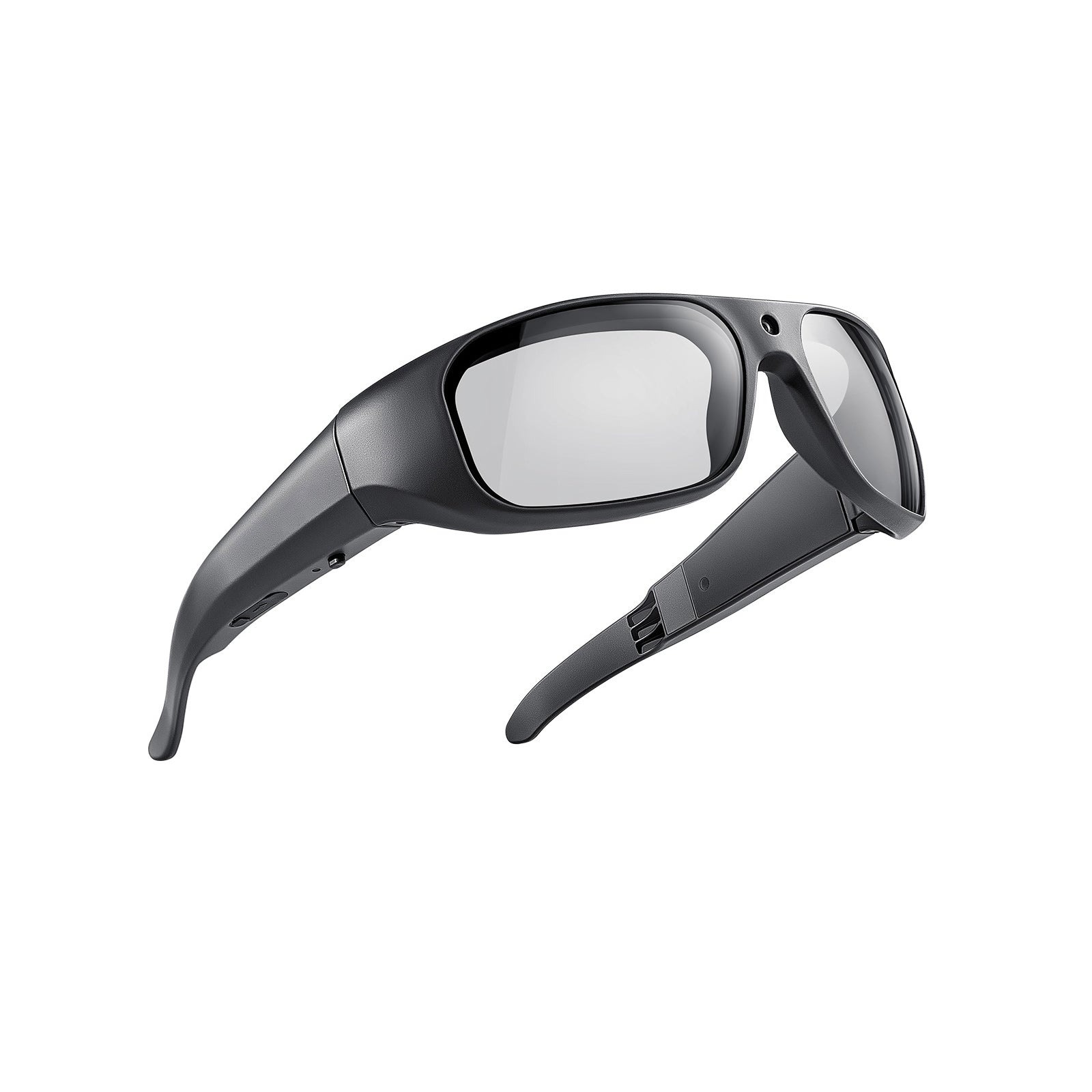
Recording glasses are a category of wearable technology that embed cameras, microphones, and processing hardware directly into eyeglass frames, enabling users to capture video and audio without carrying a separate device. Unlike earlier smart glasses that prioritized augmented reality overlays or notification displays, recording glasses focus on one core promise: frictionless, first-person documentation of the world around you. They represent the natural convergence of two things people already rely on daily — eyewear and smartphones — into a single, streamlined tool.

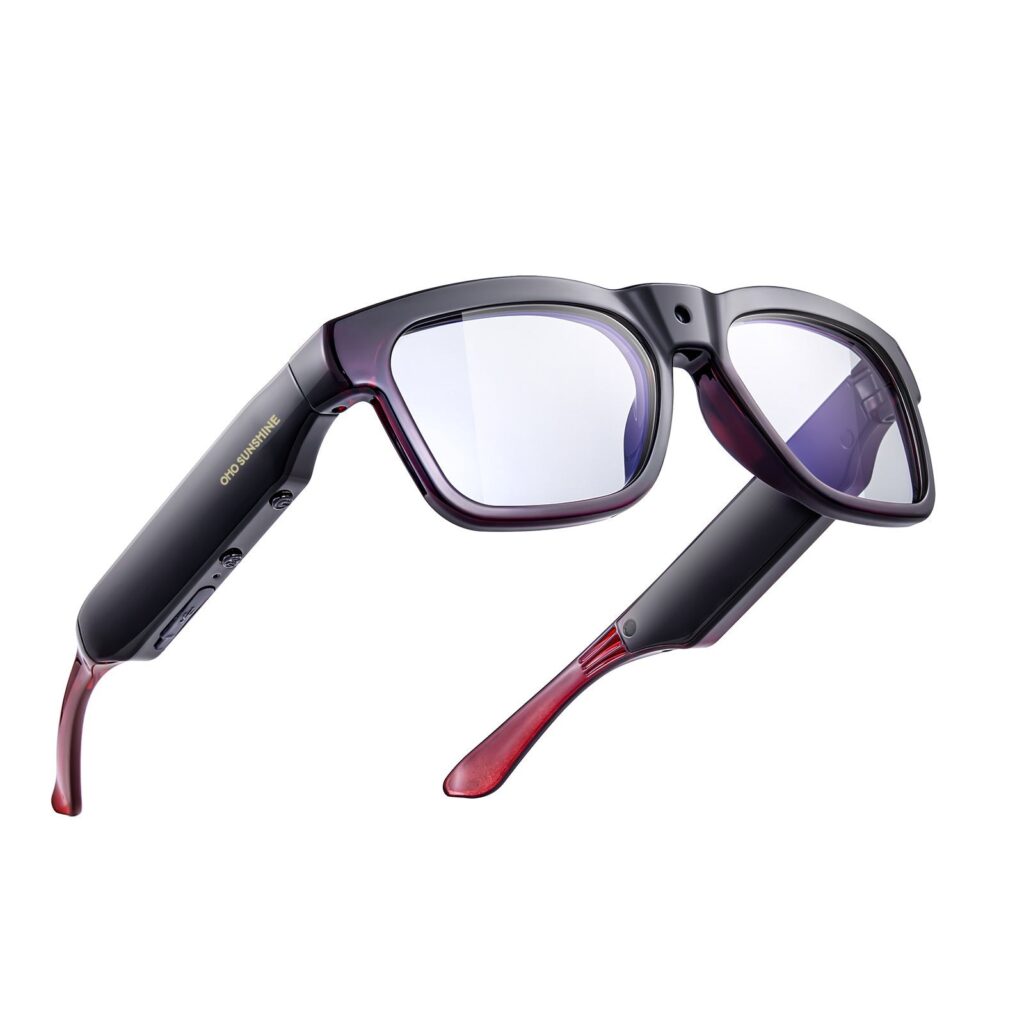
At their core, these devices combine several compact components working in harmony. A miniaturized camera lens sits discreetly within or along the frame, paired with onboard storage or wireless transfer capabilities. Sensors manage recording triggers, often activated by a single button tap or voice command. A rechargeable battery, typically embedded in the temple arms, powers the system without adding significant weight. Some models also incorporate speakers or bone conduction audio, extending their usefulness well beyond simple recording.
What truly separates recording glasses from novelty tech is their integration into real-world routines. They don’t demand behavioral changes — you wear them as you would any pair of glasses, and the technology works around your life rather than interrupting it. For outdoor enthusiasts, athletes, travelers, and content creators, this distinction matters enormously.
The Role of HD Recording in Modern Eyewear
HD recording capability — ranging from 1080p to 4K resolution depending on the model — is what transforms recording glasses from a curiosity into a genuinely useful tool. Sharp, stable footage matters when you’re capturing a mountain descent or a coastal trail at speed. High-resolution video preserves detail that lower-quality cameras miss, making footage worth revisiting and sharing. Most models pair this with onboard microSD storage or app-based transfer, so managing and reviewing your recordings stays simple and immediate.
Key Features That Elevate Outdoor Adventures
Recording glasses earn their place in the outdoor enthusiast’s kit not through a single standout feature, but through the thoughtful combination of several technologies working together. The result is a device that handles shifting environments, connectivity demands, and physical rigors without asking the wearer to compromise on comfort or capability. Understanding what’s under the hood helps clarify why these glasses are more than just a camera strapped to a frame.
Durability is a non-negotiable baseline. Most quality recording glasses feature impact-resistant frames, often constructed from TR90 nylon or similar lightweight polymers that flex under stress rather than snapping. Sweat and splash resistance — typically rated at IPX4 or higher — means a sudden downpour or a sweaty climb won’t cut your session short. Battery life, another critical factor, generally supports one to three hours of continuous recording, with some models extending further through efficient power management. Comfort over long wear is equally considered, with ergonomic nose pads and balanced weight distribution preventing fatigue during extended hikes or rides.
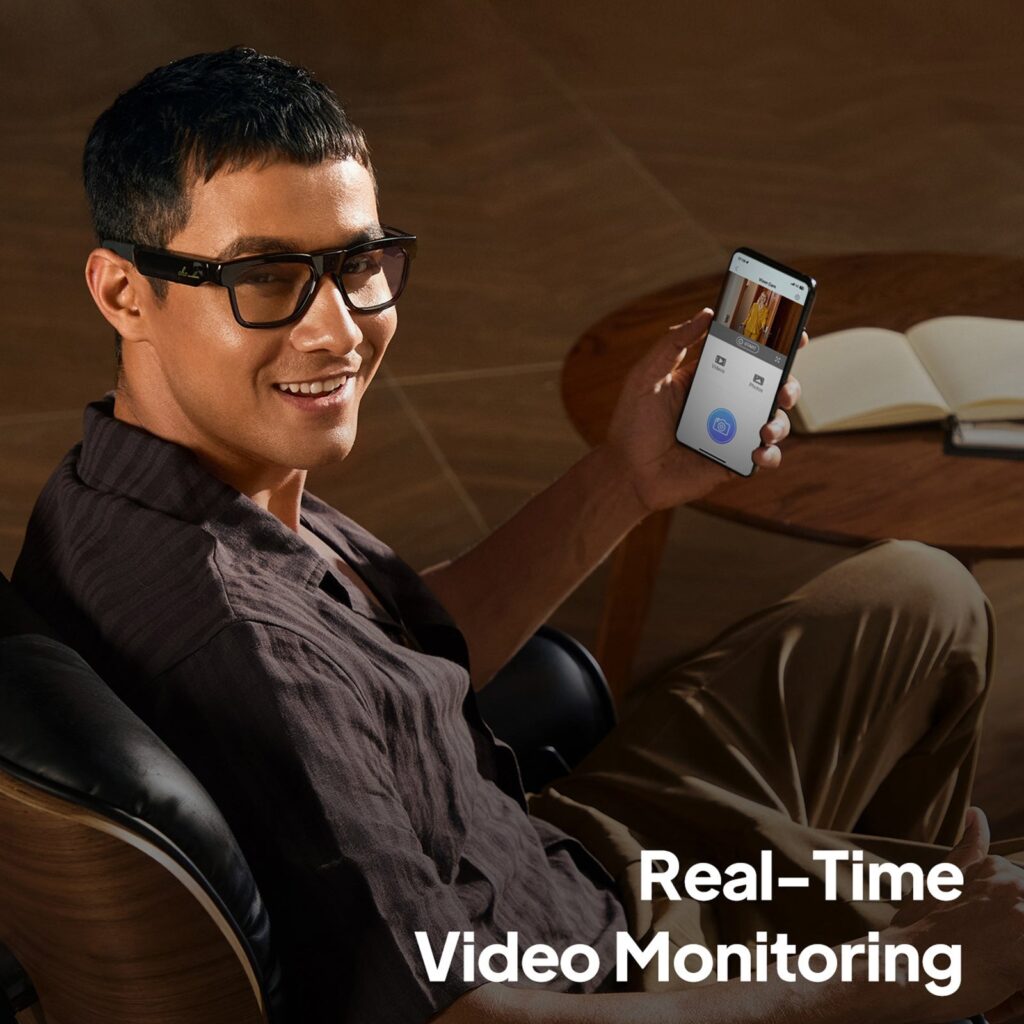
Beyond the hardware fundamentals, the software and connectivity layer matters just as much. Companion apps allow users to adjust recording settings, manage storage, and transfer footage wirelessly — turning the glasses into a fully managed content capture system rather than a standalone gadget. For outdoor enthusiasts who already carry a smartphone, this integration feels natural rather than forced.
Photochromic Technology: Adaptive Vision for Every Environment
Photochromic lenses respond to ultraviolet light by darkening automatically — transitioning from clear indoors to a tinted shade outdoors within seconds. For hikers moving between forest canopy and open ridge lines, or cyclists shifting from shaded streets to sun-drenched roads, this adaptive response eliminates the need to swap between multiple pairs of glasses. Brands like ohosunshine have built their recording glasses around exactly this kind of intelligent lens integration, recognizing that consistent eye protection reduces glare-induced fatigue and helps maintain focus and visual clarity throughout demanding activity. For tech-savvy users who value streamlined gear, photochromic lenses represent exactly the kind of intelligent, invisible functionality that makes recording glasses feel like a natural extension of the body rather than an accessory bolted onto it.
Bluetooth Integration: Seamless Connectivity on the Go
Bluetooth connectivity transforms recording glasses from a capture device into a genuine hands-free hub. Paired with a smartphone, they can stream music or podcasts directly through built-in speakers or bone conduction audio, deliver turn-by-turn navigation prompts during a trail run, and handle calls without requiring the wearer to reach for their phone. Voice command support on select models pushes this further, allowing recording to start or stop on cue. For outdoor activities where keeping hands free isn’t just convenient but essential — scrambling over rocks, gripping handlebars, managing trekking poles — this level of connectivity adds real, measurable value to every outing.
Addressing Tech Enthusiast Needs: Style and Functionality Combined
Recording glasses succeed where many wearables fail because they don’t force a trade-off between looking good and performing well. For tech enthusiasts, that balance matters deeply — a device that draws unwanted attention or feels out of place in daily life rarely makes it out of the drawer. These glasses sidestep that problem by functioning as genuine eyewear first, with the technology embedded rather than advertised. The result is a wearable that fits naturally into both a morning commute and a weekend trail run without requiring a wardrobe change or an explanation to curious onlookers.
The functionality these glasses deliver addresses real, recurring pain points for active users. Capturing a spontaneous moment during a mountain bike descent normally means stopping, unlocking a phone, and hoping the moment hasn’t passed. Recording glasses eliminate that friction entirely. Safety-conscious cyclists and runners also benefit — keeping hands free and eyes forward while still staying connected to navigation or incoming calls reduces distraction without sacrificing awareness. Travelers find them equally valuable, documenting experiences from a natural first-person perspective that no handheld camera can replicate.
Style Meets Tech: Designing Gadgets for the Modern User
The aesthetic evolution of recording glasses has been significant. Early iterations leaned heavily into the “tech gadget” look — oversized frames, visible hardware, and designs that signaled function at the expense of form. Current models have moved decisively in the opposite direction. Slim wraparound frames, matte finishes, and polarized or photochromic lens options give them the visual language of premium lifestyle eyewear rather than prototype hardware. Frame materials like TR90 nylon and lightweight alloys keep profiles low-profile and comfortable. For tech enthusiasts who wear their gear as an expression of identity, this shift from conspicuous to considered design is precisely what drives everyday adoption.
Practical Applications: Enhancing Outdoor Experiences
The real-world use cases for recording glasses span a surprisingly wide range of outdoor activities. Hikers use them to document trail conditions and scenic vistas without breaking rhythm or losing footage to shaky handheld shots. Cyclists rely on them for both recording rides and receiving audio navigation cues through Bluetooth-connected speakers. Travelers capture immersive, eye-level footage of markets, landscapes, and spontaneous encounters that feel authentic rather than staged. Even at events — races, festivals, outdoor concerts — the hands-free format allows full participation while still preserving the experience. In each scenario, HD recording and smart connectivity combine to add genuine value rather than novelty.
How to Choose and Use Recording Glasses: A Step-by-Step Solution Guide
Selecting the right pair of recording glasses isn’t complicated, but it does reward a methodical approach. The market has expanded enough that meaningful differences exist between models — in recording quality, comfort, connectivity, and durability. Rushing the decision often leads to a device that excels in one area while falling short in others that matter just as much to your specific routine. Working through a few deliberate steps before purchasing saves frustration and ensures the glasses you choose actually earn regular use rather than gathering dust.
Once you’ve made your selection, getting the most from recording glasses is largely a matter of building smart habits around them — how you charge, configure, and manage footage shapes the experience as much as the hardware itself. The good news is that integration into an active lifestyle is genuinely straightforward when approached with a little intention.
Step 1: Assess Your Needs and Set a Budget
Start by identifying your primary use case. Are you capturing trail footage during long hikes, recording cycling commutes, or documenting travel experiences? Each scenario weights features differently — a trail runner prioritizes lightweight frames and sweat resistance, while a traveler may value audio quality and storage capacity more. List your non-negotiables first, then separate the nice-to-haves. This clarity prevents overspending on features you won’t use while ensuring the essentials are covered within a realistic budget.
Step 2: Compare Features and Brands
With your priorities defined, evaluate models against the features that matter most: recording resolution, battery life, lens options such as photochromic or polarized, Bluetooth functionality, and frame durability ratings. Read verified user reviews that specifically mention outdoor use — lab specs don’t always reflect real-world performance on a dusty trail or in rain. Shortlist two or three models, including options from eyewear-focused brands like ohosunshine that combine optics expertise with smart technology, and compare them directly rather than evaluating each in isolation, which makes trade-offs far easier to assess.
Step 3: Integrate into Your Outdoor Routine
Before heading out, establish a pre-activity charging habit — plugging in after every use ensures you never start a session with a depleted battery. Spend time in the companion app adjusting resolution and storage settings to match your activity’s demands; shorter, lower-resolution clips suit daily commutes while high-resolution capture is worth the storage cost on scenic hikes. After each outing, transfer footage promptly and clear onboard storage to keep the system ready. Pair the glasses with existing gear — a hydration pack, helmet, or handlebar mount for your phone — and they slot seamlessly into routines you’ve already built.
Recording Glasses: A Worthy Investment for Active Adventurers
Recording glasses have moved well beyond the realm of experimental gadgetry. They represent a genuine convergence of HD recording capability, adaptive lens technology, Bluetooth connectivity, and thoughtful design — all packaged into something you’d wear anyway. For outdoor enthusiasts, that combination addresses a real gap: the desire to document, stay connected, and move freely without the friction of traditional cameras or the distraction of a phone in hand.
What makes them compelling isn’t any single feature but how those features work together. Photochromic lenses handle shifting light automatically. Bluetooth keeps you connected without breaking your stride. HD recording captures footage worth keeping. And modern frame designs ensure you’re not sacrificing style for function. Together, these elements make recording glasses one of the more complete wearable solutions available to active users today.
The wearable technology space will only grow more sophisticated, but recording glasses already deliver meaningful value right now — not in some future iteration. If you’re an outdoor enthusiast looking for tech that genuinely enhances your adventures rather than complicating them, they deserve serious consideration. Try them on a trail, a ride, or your next trip, and the question posed at the outset tends to answer itself.
-

-

-

-

-

-