The electric vehicle (EV) industry has undergone rapid growth and transformation over the past decade, with an increasing number of automakers pivoting toward greener technologies to meet environmental goals and shifting consumer demands. However, despite the optimism and potential for revolutionizing transportation, the EV sector faces a host of challenges that could threaten its long-term stability. With rising concerns about battery costs, supply chain disruptions, and the sustainability of the EV market, these factors represent an industry “time bomb” that could severely impact even the most successful companies, including some of the biggest players in the field.
As we dive deeper into the complexities of the electric vehicle landscape, it’s crucial to explore EV industry analysis these emerging risks and the potential for their consequences. While the transition to electric vehicles holds immense promise, understanding the challenges ahead is essential for anyone looking to invest in or adopt these vehicles in the coming years.
Table of Contents
The Rising Cost of Batteries: A Major Roadblock
One of the primary challenges facing the EV industry today is the continued cost of batteries. While the price of batteries has been steadily decreasing over the years due to advancements in technology and increased production, it still accounts for a substantial portion of the cost of manufacturing an electric vehicle. Battery costs can comprise up to 30% of the total price of an EV, making it difficult for automakers to offer affordable options for consumers.
As demand for electric vehicles continues to rise, the need for larger and more efficient batteries will only increase. This puts a significant strain on the supply of raw materials required for battery production, such as lithium, cobalt, and nickel. With limited sources of these materials, the price of raw materials could skyrocket, resulting in higher production costs that would inevitably be passed on to consumers.
Furthermore, the current supply chain for battery materials is fraught with geopolitical tensions, ethical concerns, and logistical challenges. For example, cobalt is often mined in regions with poor labor practices, raising questions about the environmental and human impact of sourcing such materials. Automakers may find themselves at the mercy of these unpredictable factors, which could disrupt production and lead to price hikes that would negatively affect the overall EV market.




Charging Infrastructure: Still a Work in Progress
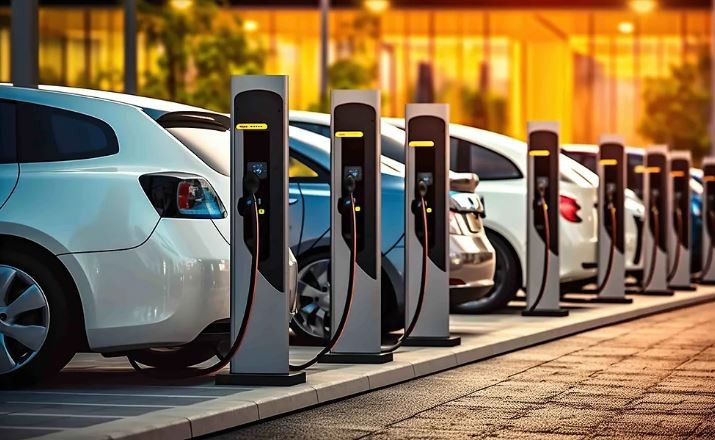
Another major obstacle for the EV industry is the underdeveloped charging infrastructure. While electric vehicle adoption is on the rise, the lack of widespread and convenient charging stations remains a significant barrier to mass adoption. In urban areas, the number of charging points is still limited, and rural areas are often underserved. Even in places where charging stations are more plentiful, the availability of fast-charging stations remains limited, making long trips more challenging for EV owners.
For many potential EV buyers, the idea of range anxiety—the fear of running out of battery charge without access to a charging station—remains a major concern. The need for a robust and accessible charging network is essential to building consumer confidence and ensuring that electric vehicles are seen as a viable long-term option for a broad range of consumers.
Governments and automakers are investing in charging infrastructure, but it will take significant time and resources to make EV charging as widespread and accessible as gasoline stations. Until this infrastructure is fully developed, the widespread adoption of electric vehicles may be slower than expected, limiting the growth potential of the EV market.
Supply Chain Disruptions: A Persistent Risk
The automotive industry, in general, has faced unprecedented disruptions in the global supply chain, particularly following the COVID-19 pandemic. For electric vehicle manufacturers, the effects of supply chain issues are even more pronounced due to the specialized materials and components required for EV production. Semiconductors, essential for everything from vehicle electronics to battery management systems, have become increasingly difficult to source, resulting in delays and production bottlenecks.
The complexity of the supply chain for electric vehicles, which involves a range of materials, parts, and manufacturing processes, makes it especially vulnerable to external shocks. Automakers have been forced to slow down production and even halt factory lines due to shortages, and many are now facing higher costs and longer delivery times.
In addition to semiconductors, other supply chain constraints include the availability of materials for batteries, such as lithium and cobalt, as mentioned earlier. Any disruption in the availability of these materials or the components required to manufacture electric vehicles could derail the entire industry’s growth trajectory. Even Tesla, often viewed as the leader in the EV space, has had to navigate these challenges, and other automakers are no exception.
Regulatory Uncertainty and Market Fragmentation
While governments around the world are setting ambitious targets for EV adoption, regulatory uncertainty remains a key concern. Different countries have different policies, incentives, and regulations regarding electric vehicles, creating a fragmented global market. For automakers, navigating these varying regulations and compliance requirements can be a daunting task.
Additionally, the political landscape plays a significant role in shaping the future of the EV industry. Shifting government policies, such as the rollback of tax incentives or changes in emissions standards, can create instability and make it difficult for manufacturers to plan for the future. Without a consistent and unified global approach to EV policy, manufacturers may struggle to scale production, and consumers could be left with inconsistent experiences based on their location.
The Need for Sustainable Growth
Perhaps one of the most pressing concerns for the EV industry is the need for sustainable growth. The shift toward electric vehicles is being driven by environmental and climate goals, but the process of manufacturing and disposing of electric vehicles and their batteries is not entirely without environmental impact. Producing EVs requires significant energy, and while they produce zero tailpipe emissions, their overall environmental footprint depends on how the electricity used to charge them is sourced.
To ensure that electric vehicles live up to their green promise, the industry must focus on improving the sustainability of the entire lifecycle of the vehicle, from raw material extraction to recycling. Advances in battery recycling, the use of renewable energy for charging stations, and sustainable manufacturing processes will be crucial for the long-term success of the industry.
Conclusion: A Bright Future, but Challenges Ahead
The electric vehicle industry is at a critical juncture, where it faces both significant challenges and unparalleled opportunities. While the potential for growth remains immense, the risks associated with battery costs, charging infrastructure, supply chain disruptions, and regulatory uncertainty must be carefully managed. Automakers, investors, and consumers will need to navigate these hurdles to ensure that the transition to electric vehicles continues on its upward trajectory.
The road ahead for the EV industry may not be without obstacles, but the drive for innovation and sustainability is undeniable. With continued investment in technology, infrastructure, and policy development, the industry can overcome these challenges and emerge even stronger. If the “time bomb” risks are defused, the future of transportation could be cleaner, smarter, and more sustainable than ever before.