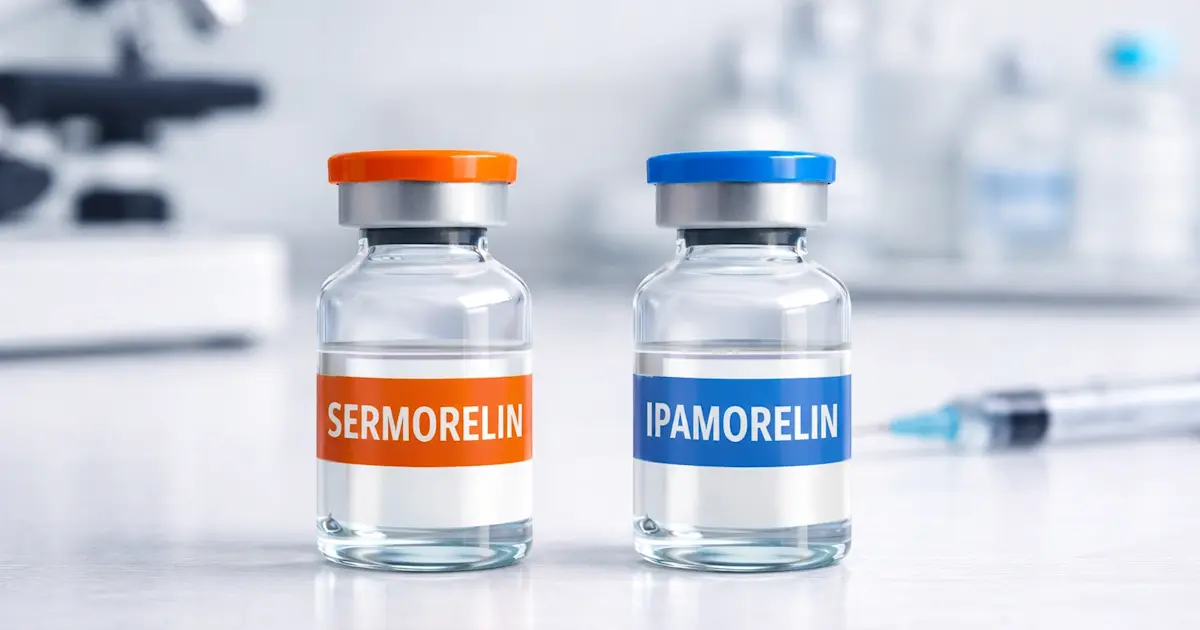
For physicians and endocrinologists, understanding the latest advancements in peptide therapy can significantly enhance patient care. Sermorelin Acetate, a synthetic analog of growth hormone-releasing hormone (GHRH), has gained attention for its potential therapeutic applications. This article delves into the mechanism of action, clinical applications, current research trends, and safety profile of Sermorelin Acetate. By integrating the latest research findings, medical professionals can make informed decisions about incorporating this therapy into their practice.
Table of Contents
Sermorelin Acetate: Mechanism of Action and Pharmacology
Sermorelin Acetate functions by stimulating the pituitary gland to produce and release more natural growth hormone (GH). Unlike direct GH therapy, Sermorelin’s mechanism allows for a more regulated and physiologic release of growth hormone, which aligns with the body’s natural rhythms. This approach can help mitigate potential adverse effects associated with growth hormone therapies.
Pharmacologically, Sermorelin Acetate is administered through subcutaneous injections, and its effectiveness can be influenced by various factors, including the patient’s age and health status. The use of Diagnostic Imaging Techniques in assessing growth hormone levels has been instrumental in tailoring Sermorelin treatments to individual patient needs, thereby enhancing therapeutic outcomes. Recent studies focusing on Sermorelin Acetate Research have shown promising results.
Clinical Applications of Sermorelin Acetate in Endocrinology
In endocrinology, Sermorelin Acetate is primarily used to treat growth hormone deficiencies, particularly in pediatric patients. However, its application extends to adults with deficiencies due to pituitary tumors or other etiologies. The Clinical Endpoint for such treatments often includes improved growth velocity in children and enhanced metabolic functions in adults.
Recent studies have also explored the potential of Sermorelin Acetate in managing conditions like idiopathic short stature and age-related declines in growth hormone levels. Ongoing research, including Case-Control Studies, is evaluating its broader endocrine applications, which could pave the way for expanded therapeutic uses.




Current Research Trends and Findings in Sermorelin Acetate Studies
The landscape of Sermorelin Acetate Research is rapidly evolving, with new findings emerging regularly. A significant focus has been on Biomarker Validation to precisely measure the therapeutic effects of Sermorelin. A Systematic Review Framework has been applied to consolidate results from various studies, providing a clearer picture of its efficacy and safety.
One noteworthy trend is the use of Meta-Analysis Protocols to analyze aggregated data from multiple Double-Blind Randomized Trials. These analyses are crucial for confirming the benefits and identifying any potential risks associated with Sermorelin therapy. Furthermore, the involvement of Institutional Review Boards (IRBs) ensures that research adheres to ethical standards, safeguarding patient welfare.
For those interested in a deeper dive, the “Sermorelin Acetate Research” page offers a comprehensive overview of ongoing studies and emerging data in this field.
Safety Profile and Side Effects of Sermorelin Acetate Therapy
The safety profile of Sermorelin Acetate is generally favorable, with most patients experiencing minimal side effects. Common adverse reactions include localized redness or pain at the injection site. However, as with any therapeutic intervention, Adverse Event Reporting remains a critical component of ensuring patient safety and refining treatment protocols.
In rare instances, patients may experience more significant side effects, necessitating careful monitoring and possibly the involvement of a Data Monitoring Committee. Adherence to GCP (Good Clinical Practice) standards is vital in both clinical trials and regular medical practice to prevent and manage these events effectively.
Recent studies published on PubMed have emphasized the importance of continuous monitoring and evaluation of patient responses to Sermorelin therapy, ensuring that any adverse effects are promptly addressed.
Conclusion
Sermorelin Acetate offers promising therapeutic potential for addressing growth hormone deficiencies and other endocrine disorders. By understanding its mechanism, clinical applications, and safety profile, physicians and endocrinologists can better integrate this therapy into their practice. As research continues to evolve, staying informed through credible sources is critical for optimizing patient outcomes. Embracing the latest findings ensures that healthcare providers can deliver cutting-edge care to their patients.