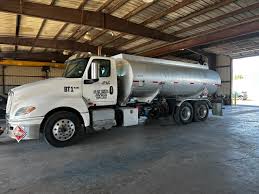
In an era where businesses are keen on optimizing resources, gas tank monitoring systems play a crucial role in enhancing fuel management efficiency. This guide will delve into how these systems function and the benefits they provide in terms of cost savings and operational efficiency.
Implementing gas tank monitoring systems can revolutionize how organizations manage fuel. By providing real-time data and insights, these systems help streamline operations, reducing waste and improving overall productivity.
Table of Contents
Understanding Gas Tank Monitoring Systems
Gas tank monitoring systems are advanced tools designed to track fuel levels, consumption rates, and overall inventory management. They utilize a combination of sensors, IoT technology, and data analytics to provide actionable insights into fuel usage. These systems can be integrated into various types of fuel storage, from large tanks in industrial settings to smaller tanks used in commercial transportation.
Key Components of Gas Tank Monitoring Systems
- Sensors: These devices are installed in fuel tanks and monitor fuel levels continuously. They often include ultrasonic or capacitive technologies that measure changes in depth. The precision of these sensors can help detect even minor fluctuations, giving businesses a more accurate view of their fuel inventory.
- Communication Modules: These components transmit the data collected by sensors to a central management system using cellular, Wi-Fi, or satellite connections. This real-time communication is vital for organizations operating across multiple locations, ensuring that data is available no matter where the fuel tanks are situated.
- Data Analytics Software: The heart of the monitoring system, this software processes the incoming data, generates reports, and delivers insights on fuel management. Businesses can utilize these analytics to forecast future fuel needs based on consumption trends and operational patterns, assisting in budget planning.
- User Interface: A dashboard that allows users to monitor fuel levels, consumption rates, and receive alerts about any discrepancies. A well-designed user interface is essential for ease of use, making it simpler for staff to react quickly to any issues that arise.
How Gas Tank Monitoring Systems Work
Gas tank monitoring systems are designed to automate the collection and analysis of fuel usage data. Here’s a brief overview of their operational workflow:
- Data Collection: Sensors continually collect data regarding the fuel level and relay this information at defined intervals through communication modules.
- Data Transmission: The collected data are transmitted to a centralized database or dashboard where it can be analyzed and visualized.
- Reporting and Alerts: The system generates reports based on the collected data and can send automatic alerts to designated personnel when predefined parameters are met, such as low fuel levels or unexpectedly high consumption rates.
The Benefits of Gas Tank Monitoring Systems
1. Enhanced Fuel Efficiency
Fuel management is critical for any organization reliant on vehicles or machinery. Gas tank monitoring systems provide real-time data that can help companies:




- Identify fuel consumption patterns: By analyzing historical data, businesses can pinpoint trends that may indicate inefficiencies.
- Optimize delivery routes: Utilizing data on fuel usage for fleet vehicles ensures that routes can be adjusted to minimize fuel use during transportation.
- Reduce idle times: Monitoring fuel consumption can help pinpoint instances of unproductive idling so that efficiency protocols can be implemented.
This efficiency contributes directly to decreased fuel costs over time, enhancing the organization’s bottom line.
2. Real-Time Data and Alerts
One of the standout features of gas tank monitoring systems is their ability to provide real-time information. Alerts can be set up for various scenarios, including:
- Low fuel levels: This can trigger automatic refueling orders, preventing operational delays.
- Unusual consumption patterns: Insights from continuous monitoring can help identify any anomalies that may suggest leaks or theft.
- Fuel theft or loss: The system’s capability to monitor fluctuations in fuel levels ensures that timber machinery or vehicles are adequately protected from unauthorized use.
This immediate access to information means that organizations can react promptly, mitigating possible losses.
3. Improved Inventory Management
Tracking fuel usage manually can lead to errors, and over or underestimating fuel needs can be costly. Gas tank monitoring systems:
- Automate inventory tracking: This reduces human error associated with manual counting and movement logs.
- Provide accurate consumption metrics: Understanding the patterns of fuel usage allows better forecasting and scheduling of deliveries based on actual need.
- Generate forecasts based on historical data: When equipped with robust analytics, these systems predict future fuel demands, allowing for proactive ordering and budgeting.
This facilitates better planning and procurement processes, significantly reducing excess inventory and stockouts.
4. Cost Savings
The direct correlation between efficiency and cost savings makes gas tank monitoring systems a worthy investment. These systems help businesses save money in various ways:
- Reduction in fuel wastage due to leaks or evaporation: Regular monitoring can identify leaks almost immediately, allowing for prompt repairs and maintaining fuel integrity.
- Lower administrative costs through automated reporting: Reduced paperwork and time spent on manual entry translates into significant financial savings over time.
- Decreased fuel expenses by optimizing consumption patterns: Improved management often leads to less fuel being spent overall, which can directly reduce operating costs.
5. Compliance and Reporting
For businesses that must comply with various regulations, gas tank monitoring systems can simplify reporting. By automating data collection, companies can ensure that they meet environmental regulations and maintain accurate records for audits. In some industries, such as construction and transportation, having these records can be vital for compliance with local, state, or federal laws.
- Ensure environmental compliance: Monitoring systems can track and report emissions, helping companies remain compliant with regulations.
- Maintain accurate records for audits: The detailed reporting capabilities can save time and effort during an audit process.
Implementing Gas Tank Monitoring Systems
Step 1: Assess Your Needs
Before implementing a gas tank monitoring system, assess your organization’s specific fuel management needs. Consider factors such as:
- Size of the operation: Larger operations may require more advanced systems with multiple sensor installations.
- Number of fuel tanks: The availability of data from various tanks can aid in a more comprehensive fuel management strategy.
- Type of fuel used: Different fuels may require specialized sensors or monitoring techniques.
Step 2: Choose the Right Solution
Select a gas tank monitoring system that aligns with your needs. Look for features such as:
- Scalability: A system that can grow with your operations will save money in the long run.
- User-friendly interface: Simplicity in the user interface can facilitate quicker adoption among staff.
- Robust customer support: Reliable support can greatly enhance the efficiency of resolving any issues that arise post-installation.
Step 3: Installation
Installing gas tank monitoring systems typically involves placing sensors in the fuel tanks and setting up the communication hardware. Professional installation can help ensure a seamless setup. It’s essential to work with an experienced provider who understands the intricacies of each type of fuel storage.
Step 4: Training
Ensure that your staff is adequately trained to use the system effectively. This includes understanding how to interpret data and respond to alerts. Consider setting up periodic training sessions to keep everyone informed about system updates and best practices.
Step 5: Continuous Evaluation
After the system is implemented, continuously evaluate its performance. Utilizing the insights provided by the monitoring system is key to maximizing the benefits of your investment. Regularly revisit your fuel management strategy based on the insights gathered and adjust as necessary to further optimize efficiency.
Frequently Asked Questions
What types of businesses can benefit from gas tank monitoring systems?
Various businesses, including logistics companies, construction firms, and manufacturing plants that rely heavily on fuel, can benefit significantly. Smaller fleets and businesses that have regulatory fuel management requirements can also see improvements.
How do gas tank monitoring systems detect fuel theft?
These systems utilize sensors to monitor fluctuations in fuel levels. Any significant drop without corresponding fuel usage can trigger an alert for potential theft. Some advanced systems can even integrate with security cameras to provide visual verification of incidents.
Can gas tank monitoring systems provide historical data?
Yes, most systems can provide historical fuel usage data. This data is invaluable for analyzing trends over time, understanding usage patterns, and making informed decisions for future procurement and budgeting.
Is installation of gas tank monitoring systems complex?
While installation can vary based on the complexity of the system, many modern solutions are designed for ease of setup. Integrated services are also often available, where professionals assist you in the installation and initial configuration.
What is the average return on investment (ROI) for gas tank monitoring systems?
ROI can vary based on many factors, including system cost, size of the fleet, and existing inefficiencies. Many businesses report significant improvements in fuel efficiency and cost savings, with payback periods often measured in months rather than years.
Conclusion
Gas tank monitoring systems represent a significant advancement in fuel management efficiency for organizations across various sectors. By providing real-time insights, these systems can help optimize fuel usage, detect discrepancies, and ultimately save costs. If you’re looking to improve your fuel management practices, consider exploring gas tank monitoring systems to enhance your operational efficiency and bottom line. Embracing this technology can set the foundation for better resource management, ensuring sustainability and profitability in the ever-evolving business landscape.