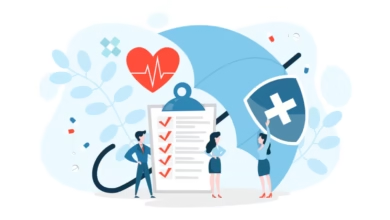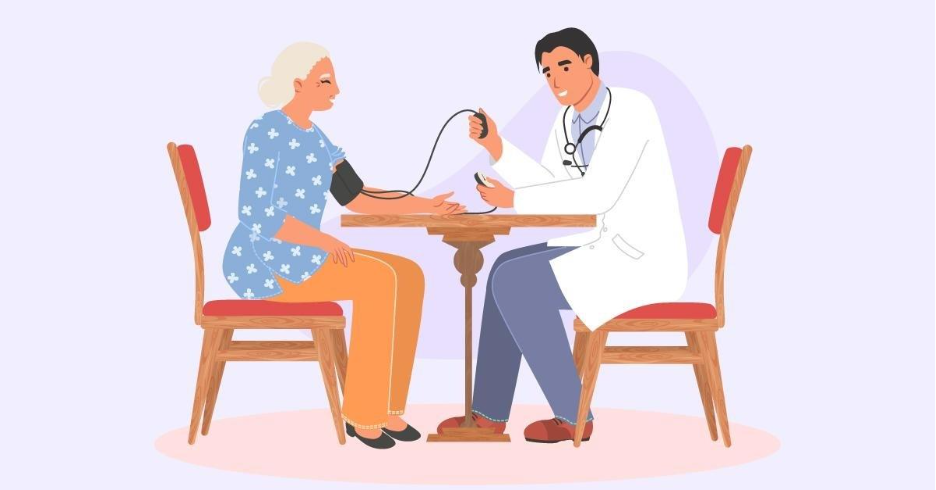
One of the most important things you can do for yourself if you feel perfectly healthy is to schedule a regular physical exam.
Many people think that if they feel well, they must be healthy and therefore have no health problems. This is not always the case, however, as some health problems may develop so gradually that they become apparent only after they have already become quite advanced.
Regular physicals enable your healthcare provider to evaluate your current state of health, review your medical history and family history, and offer you advice on how to prevent health problems, which may be especially tailored to your needs.
This enables doctors to help you catch potential health problems early on, so they don’t become big problems, and make sure your vaccinations, screenings, and health assessments are all current.
Regular physicals also enable doctors to help you with your mental and emotional well-being.
Below are some reasons why physical exams are important even if you feel healthy.



Table of Contents
1. Disease Prevention
Physical examinations are very crucial in the prevention of disease. This is because, based on your personal and family medical history, your doctor may be able to identify your risk for certain diseases, for example, heart disease, diabetes, hypertension, and cancer.
By performing tests, for example, blood tests, cholesterol tests, and hypertension tests, your doctor may be able to take early interventions to prevent the development and progression of the disease.
Moreover, your doctor may be able to give you advice on the lifestyle, dietary, and exercise habits that may help prevent the development and progression of the disease.
Hence, understanding “why are physical exams important” reinforces the value of regular check-ups, which creates a proactive approach to health rather than waiting for disease to occur.
2. Early Detection of Health Problems
Even if you feel well, many health issues begin silently. Conditions like high blood pressure, high cholesterol levels, diabetes, kidney disease, and cancer may not exhibit symptoms in their early stages.
Physical examinations involve screenings for these conditions to help detect health problems early enough to treat them. Early detection of health problems can help prevent future health consequences and, in some cases, reverse a health problem.
For example, if you are detected to have high levels of cholesterol in your blood, you may be able to prevent heart disease. Similarly, if you are detected to have diabetes at an early enough stage, you may be able to prevent long-term health consequences like organ damage.
By getting regular physical examinations, you allow your doctor to track changes in your health over a long period to help prevent major health problems from developing.
3. Updating Immunizations
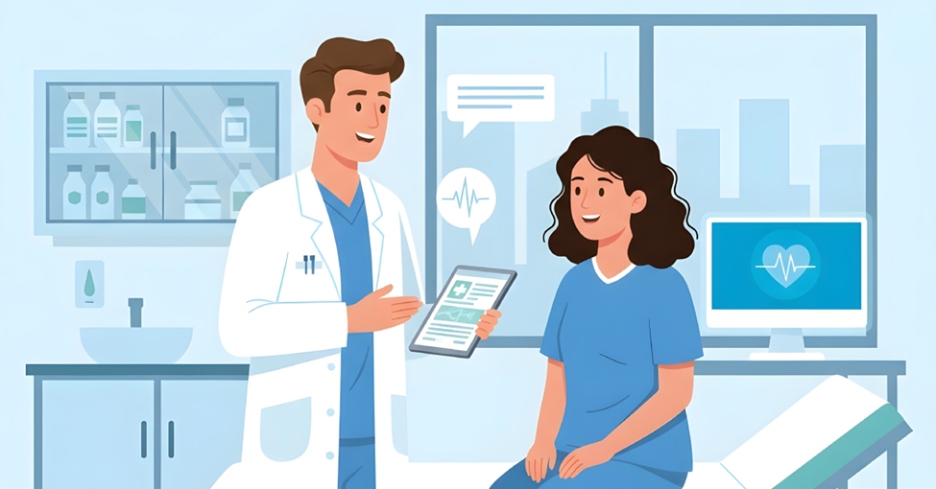
Another critical component of your physical exam is to make sure your immunizations are up to date.
Vaccines help protect you from serious diseases like the flu, pneumonia, tetanus, shingles, and others. As adults, it’s easy to forget booster shots or newly recommended vaccines, which can leave you vulnerable.
A routine physical allows your healthcare professional to review the immunizations that are recommended for your age, health, and lifestyle. It’s simple and one of the best ways to protect your health, especially if your lifestyle includes travel, health issues, and exposure to young children and seniors.
Your healthcare professional will be able to recommend the latest immunizations recommended by public health services to keep you protected.
4. Mental Health Assessment
A physical examination is not only about the physical health of the individual; it is also a chance to look into the mental health of the individual.
Mental health problems like anxiety, depression, and stress-related disorders develop gradually, and the individual may not be immediately aware of the problems.
During a physical examination, the individual may be asked questions about their moods, sleep habits, stress levels, and how their day is going so that any mental health problems may be identified.
Mental health assessment is important for the health and wellness of the individual as well as for the promotion of a healthy lifestyle.

5. Chronic Disease Management
When you live with chronic health conditions, physical exams can help you manage them well. For example, physical exams help doctors monitor your health condition, change your medication, and offer advice on how to manage chronic health conditions.
Some chronic health conditions include hypertension, diabetes, arthritis, and asthma.
Your health condition may not be critical, but physical exams help your doctors monitor your health condition over time. This way, your doctors can take proactive steps to ensure you maintain your health condition and avoid health complications.
Final Thoughts
A physical exam is a vital tool in the maintenance of health, even when individuals feel perfectly fine. These exams give people the chance to prevent diseases, identify silent health problems, update their immunizations, check their mental well-being, and manage chronic health problems.
Routine physical exams give you and your healthcare provider the chance to be proactive about your health, allowing you to prevent problems from becoming severe. In addition, it ensures that you remain on the right track for a healthy future.
If you do not have regular physical exams, you may be missing the chance to identify and prevent health problems that may have gone undetected.
By being proactive about regular physical exams, you ensure your health, prevent problems from becoming severe, and enjoy a higher quality of life. Remaining proactive about your health today is the best way to prevent severe problems from occurring tomorrow.