
Keeping your skin healthy after treatment is not difficult, but it does need some care. Many people get excited about the results of facials, laser therapy, or injectables like Botox or fillers and forget how important the recovery phase is.
The good news is that Park Plaza Dermatology has you covered with expert guidance and aftercare support, so you’re never left guessing what your skin needs next.
What you do after your treatment can make a big difference. Two people who have the same procedure at Park Plaza Dermatology may see very different results in just a few weeks, depending on how they care for their skin.
After treatment, your skin is more sensitive and reacts easily. Good post-procedure practices help it heal and give better, longer-lasting results. Neglecting proper care can lead to redness, dark spots, or scarring that undo the benefits of your treatment.
So, what should you do while your skin recovers? Here are some best practices to help your skin heal as it should.
Table of Contents
1. Follow Your Doctor’s Advice

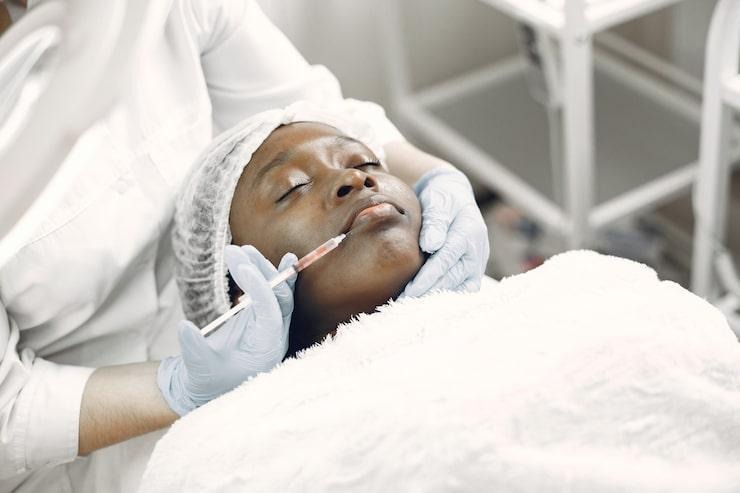
Every skin treatment is different, so your aftercare should be too. It might be tempting to stick to your usual routine or general tips, but it’s important to follow your dermatologist’s specific advice.
For example, after a laser session, you may need to take extra downtime and use only fragrance-free products. A lighter treatment, such as a basic facial, requires good hydration throughout the day and offers more flexibility. If you treat all procedures the same way, you could end up with irritation, slower healing, or uneven results.
Even small details, like when to start using certain products again or how often to cleanse, matter a lot. Ignoring these can slow your recovery and increase the risk of problems such as infection, uneven skin tone, or poor collagen repair.
At Park Plaza Dermatology, your aftercare plan is carefully tailored to your specific treatment and skin needs, helping you heal properly and get the best possible results.
2. Use a Gentle Cleanser
Cleansing your skin is simple, but you need to do it differently after a treatment. When your skin is recovering, it is fragile and cannot handle harsh products. Cleansers or harsh scrubs can strip away oils, leading to irritation, infection, and slower healing.
Choose a gentle fragrance-free cleanser. Creamy, low-foam products formulated for sensitive skin are the best, as they cleanse without irritation. Avoid cleansers containing sulfates, alcohol, or other irritants.
When washing your skin, be gentle and use lukewarm water. After, gently pat your skin dry with a towel. Do not wipe or rub it. You want to avoid rough scratches on your skin, which are typical of brushes, rough cloths, or exfoliants. Avoiding potential stressors helps your skin heal faster and stay healthy.

3. Avoid Sun Exposure Early
Sun exposure can greatly affect your results. After treatment, your skin’s barrier is weaker, making it more likely to get inflamed or develop dark spots. Even brief sun exposure can cause redness or uneven tone.
You don’t need long sun exposure; even a brief walk without protection can interfere with recovery. When in the sun, always use a broad-spectrum mineral sunscreen with SPF 30 or higher to protect against UVA (aging) and UVB (burning) rays. Reapply every 2 hours outdoors.
Try to stay in the shade during peak sun hours, from 10 a.m. to 4 p.m. If you have to be outside, wear a wide-brimmed hat, protective clothing, and sunglasses.
Taking good care of your skin after a procedure reduces your risk of complications and helps it heal well, preventing long-term sun damage. At Park Plaza Dermatology, patients receive the right advice and reminders to protect against the sun so that they can enjoy an even skin tone and youthful results.
4. Proper Hydration


Hydrated skin heals faster, looks healthier, and feels softer. Dry skin? It feels tight, looks dull, and heals slowly. To keep your body hydrated, drink 8 to 10 glasses of water per day. You can go higher when you’re very active.
To keep it moist, use a moisturizer containing ingredients such as hyaluronic acid, glycerin, or ceramides. Apply it to your skin several times throughout the day to help prevent drying.
And you don’t need many products or layers. Just stick to the recommended ones that don’t clog pores or cause redness. Avoid products containing alcohol or strong fragrances, as they can dry or irritate the skin.
5. Avoid Irritants
After a treatment, your skin can get upset if you use anything too harsh, not just chemicals. So use gentle products and don’t wear makeup for 24 to 48 hours or even longer, depending on the procedure.
Avoid going to the sauna, engaging in vigorous exercise that causes heavy sweating, and rubbing skin — all of which slow healing.
Conclusion
Taking care of your skin after a treatment takes some work. If you do it right, your skin will heal faster and look smoother. And the outcomes are long-lasting. It saves you from unnecessary follow-up treatments when your skin takes longer to heal or becomes infected.
At Park Plaza Dermatology, you get all the support you need to care for your skin after treatment. By following your doctor’s instructions, staying out of the sun, gently washing your skin, keeping it hydrated, and avoiding irritants, your skin heals smoothly.
With proper care, you get the exact benefits you expect from the treatment. Remember, it’s just as important as the treatment itself. So follow these practices, and you’ll be amazed at the results. If something isn’t clear, ask. It’s always better to clarify any doubts immediately with your dermatologist rather than assume or improvise.
-

-
-
-
-

-