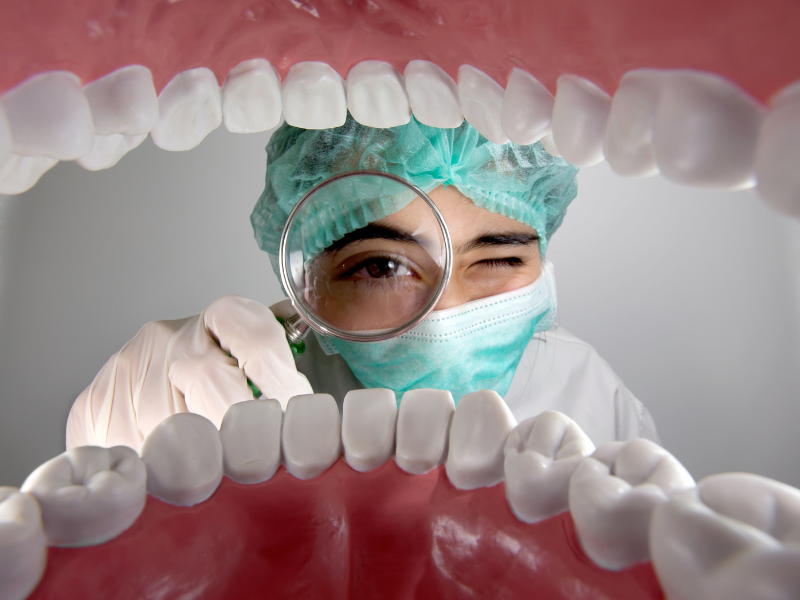
Nobody plans for a chipped tooth at 11 pm or a lost filling on a Sunday morning. Yet these small crises happen all the time, and the cost of an emergency visit can sting almost as much as the toothache itself. Your home first-aid kit probably covers cuts, burns, and fevers, but what about your mouth? Having a few specialized dental tools stashed in a drawer can turn a panic moment into a manageable one. These products don’t replace professional care, but they buy you time, protect the tooth, and keep you comfortable until you can see your regular dentist in edmonton or wherever you’re located.
We looked at dozens of products across Amazon, Walmart, and specialty dental retailers. We focused on items with solid customer reviews, real clinical backing, and practical everyday value. Here are seven dental emergency tools and home care kits that actually earn their place in your cabinet.
Table of Contents
1. DenTek Instant Pain Relief Kit
When a toothache hits, your first instinct is to reach for painkillers. But topical relief works faster and targets the exact spot. The DenTek Instant Pain Relief Kit combines a numbing gel with disposable applicators, so you can treat the area without spreading bacteria around your mouth.
The kit includes benzocaine gel, which is the same active ingredient used in many professional numbing agents. You apply a small amount directly to the sore tooth or gum, and relief kicks in within seconds. It’s not a cure, but it gets you through the night until a dental office opens. The applicator tips are narrow and angled, which helps you reach those tricky molars in the back without gagging.
What we like: the compact case fits in a glove compartment or travel bag. What we don’t like: the gel wears off after about 30 minutes, so you’ll need to reapply. Also, this only masks pain, so don’t use it as an excuse to skip a dental visit.
2. Dental First Aid Kit by American Dental Accessories
This kit is the closest thing to a well-stocked dental cart you can keep at home. It comes in a sturdy metal tin and includes temporary filling material, dental wax, a small mirror, tweezers, and even a toothbrush with a built-in tongue scraper. The filling material is the star here. It lets you patch a lost filling or a chipped tooth edge for a few days while you wait for an appointment.
The temporary filling material is a zinc oxide-based paste that hardens when mixed with a drop of water or saliva. It’s the same type of material dentists use for temporary restorations, so you know it’s safe. You press it into the cavity, let it set for about 15 minutes, and then you can eat and drink normally. It won’t win any beauty contests, but it protects the exposed nerve from temperature and pressure sensitivity.
One tip: practice using the filling material before you need it. It takes a few tries to get the consistency right, and you don’t want to be figuring it out while your tooth is throbbing.
3. ToothSaver Travel Emergency Tooth Preservation Kit
If you play sports, ride bikes, or have kids, this kit is non-negotiable. When a tooth gets knocked out completely, the clock starts ticking. You have about 30 to 60 minutes to get the tooth back into the socket or into a preservation medium for the best chance of saving it. Saliva is the natural choice, but milk works too. This kit uses a proprietary preservation liquid that maintains the right pH and osmolarity to keep the cells alive.
The kit includes a ventilated container that holds the tooth safely without touching the root, along with a strainer basket so you don’t accidentally drop the tooth down the drain when rinsing it. The liquid keeps the tooth viable for up to 24 hours, which is significantly longer than milk or saline. That extra time can mean the difference between saving your natural tooth and needing an implant.
We keep one in our car, one in the bathroom cabinet, and one in the sports bag. It’s cheap insurance for a permanent smile.
4. GUM Proxabrush Go-Betweens Cleaners
This one isn’t an emergency product, but it prevents emergencies. Food trapped between teeth is the number one cause of localized gum inflammation and the kind of deep decay that turns into sudden toothaches. Floss works, but many people struggle with technique, especially around bridges or crowded teeth. The Proxabrush line offers tiny cylindrical brushes that slide between teeth and sweep out debris far more effectively than floss in tight spaces.
You choose from several widths, from extra-fine to wide. For most people, the tapered variety works best because it accommodates different gap sizes along the same brush. The handles are color-coded, so you can keep one at work, one at home, and one in your travel kit without mixing them up.
Dentists have recommended interdental brushes for years because they remove more plaque than string floss in controlled studies. The CDC points out that oral hygiene habits directly affect your risk for gum disease, which in turn impacts your overall health. This small tool punches well above its weight when it comes to prevention.
5. Oral-B iO Series 3 Electric Toothbrush with Replacement Heads
Let’s be honest. A manual toothbrush works fine if you have perfect technique, brush for two full minutes, and replace it every three months. Most people don’t. Electric toothbrushes solve that problem by doing the hard work for you. The Oral-B iO Series 3 uses a linear magnetic drive motor that delivers micro-vibrations at the brush head. The result is a cleaner feeling that lasts much longer than what you get from manual brushing.
The iO Series 3 includes a pressure sensor that lights up red when you’re brushing too hard, which is a surprisingly common cause of gum recession. It also has a two-minute timer with 30-second intervals, so you cover all four quadrants evenly. The battery lasts about two weeks on a single charge, and the magnetic charger snaps into place easily.
We tested this against several competitors, and the key difference is the round brush head. It wraps around each tooth individually, reaching those tight spots at the gumline where decay starts. The replacement heads are widely available, and the brush itself is priced reasonably for what it delivers.
6. MouthWatch Intraoral Camera
This feels like a gimmick until you use it once. The MouthWatch is a small, waterproof camera connected to your smartphone via USB or Wi-Fi. You slide it into your mouth, and it streams a live, high-resolution video of your teeth and gums to your phone screen. You can see exactly what’s going on back there, which is impossible with a regular mirror.
Why does this matter for emergencies? Because you can document symptoms. If you have a cracked tooth, a swollen gum, or a suspicious spot, you can capture images and share them with your dental office remotely. Many offices now offer virtual triage, where you send photos first so the dentist can assess whether you need an urgent visit or if you can wait. This saves you from sitting in an emergency room for hours over something that can wait a day. The American Dental Association has published guidance on handling dental emergencies at home, and clear documentation is a central part of that advice.
The camera is also great for kids. Turn it on, and suddenly brushing becomes a video game where they hunt for leftover food particles. You’ll get better compliance and fewer arguments.
7. Waterpik Aquarius Water Flosser with Ten Tips
Water flossers used to be a luxury item. Now they’re mainstream, and for good reason. The Waterpik Aquarius shoots a pulsating stream of water between your teeth and below the gumline, flushing out food and bacteria in a way that floss simply can’t match. It’s especially helpful if you have braces, crowns, bridges, or dental implants, all places where floss gets snagged or can’t reach.
The Aquarius model is the standard recommendation because it offers ten different pressure settings. You start at the lowest setting and gradually work up. It comes with seven tips, including one for orthodontic care and one for periodontal pockets. The reservoir holds 22 ounces, which is enough for a full 90-second session without refilling.
Clinical research supports this approach. The American Dental Association awarded the Waterpik its Seal of Acceptance, and multiple peer-reviewed studies confirm it reduces gingivitis and plaque more effectively than string floss for most patients. Check the ADA’s oral health topics page on flossing alternatives if you want to read the details yourself.
One caveat: it’s loud, and it sprays water everywhere if you’re not careful. Use it in the shower or lean over the sink with your lips sealed around the tip.
Building Your Home Dental Kit on a Budget
You don’t need to buy all seven of these at once. Start with the DenTek pain relief kit and the dental first aid tin. Those two cover the most common scenarios: toothaches and lost fillings. Then add the Waterpik and the electric toothbrush for daily prevention. The tooth preservation kit is the one to get if you have active kids or play sports.
Check your insurance coverage before you buy anything. Some dental plans offer discounts on electric toothbrushes and water flossers through wellness programs. Others reimburse for preventive devices. Also, set a reminder to replace brush heads and topical products according to their expiration dates. Benzocaine gel loses potency over time, and brush bristles wear out after three months of normal use.
The Bottom Line
The best dental emergency is the one you avoid entirely. Daily brushing with a good electric brush, interdental cleaning, and regular checkups will prevent most problems before they start. But when something does go wrong, having the right tools at home changes the outcome. You’ll be calmer, you’ll protect the affected tooth, and you’ll avoid expensive after-hours visits for issues that could have been managed temporarily at home.
Remember that these tools are a bridge, not a destination. They keep you stable until you can get professional care. Use them wisely, and your mouth will thank you for years to come.
-

-
-
-

-

-