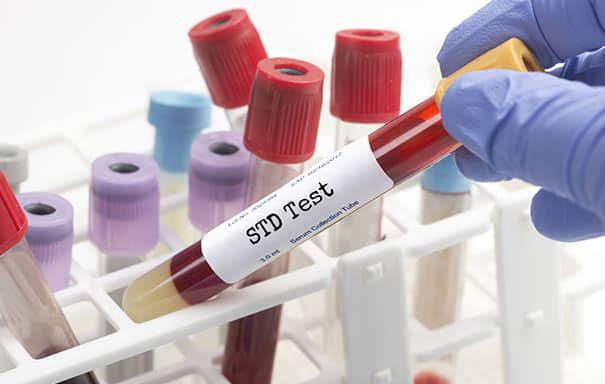
Sexual health is an integral component of overall wellness, yet it often remains shrouded in silence and stigma, preventing many people from taking proactive steps to protect themselves and their partners. In a dynamic, multicultural city like Dubai, where millions of residents and visitors interact daily, maintaining awareness of your sexual health status is not just a personal matter—it’s a responsibility that impacts public health and individual wellbeing. Many sexually transmitted diseases present no visible symptoms in their early stages, meaning you could be carrying an infection without knowing it, potentially facing serious health complications or unknowingly transmitting it to others. This is why regular STD Check up Dubai services have become essential for sexually active individuals, couples planning for marriage, and anyone committed to maintaining their long-term health. Understanding why routine screening matters, how often you should get tested, and what risks you face by avoiding these important check-ups can empower you to make informed decisions about your sexual health and take control of your wellbeing with confidence and responsibility.
Table of Contents
The Silent Nature of Most STDs
One of the most compelling reasons for regular STD screenings is the asymptomatic nature of many infections. Statistics show that a significant percentage of people carrying STDs show no symptoms whatsoever. Chlamydia, one of the most common bacterial STDs, is asymptomatic in approximately 70% of women and 50% of men. Similarly, many people with HIV, Hepatitis B, Hepatitis C, and HPV remain completely unaware of their infection for months or even years. This silent progression is dangerous because untreated infections continue to damage your body internally while you remain oblivious. Without symptoms to alert you, regular testing becomes the only reliable way to detect these infections early when they’re most treatable and before they cause irreversible damage.
Long-Term Health Consequences of Untreated STDs
The importance of regular screening becomes even clearer when you understand the severe complications that can arise from untreated STDs. In women, untreated Chlamydia and Gonorrhea can lead to Pelvic Inflammatory Disease (PID), which causes chronic pelvic pain, ectopic pregnancies, and infertility. Men can develop epididymitis, leading to testicular pain and potential fertility issues. Untreated Syphilis can progress through multiple stages, eventually affecting the brain, heart, and other organs, potentially causing blindness, dementia, and death. HPV infections can lead to various cancers, including cervical, anal, and throat cancers. Hepatitis B and C can cause liver cirrhosis and liver cancer. HIV, if not detected and treated early, progresses to AIDS, severely compromising the immune system. Regular screening allows for early detection and treatment, preventing these devastating outcomes.
Protecting Your Partners and Community
Regular STD testing isn’t just about your own health—it’s about protecting those you care about and contributing to community health. When you get tested regularly and know your status, you can make informed decisions about protecting your partners. If you test positive for an infection, early detection allows you to seek treatment immediately and inform current and recent partners so they can get tested too, breaking the chain of transmission. This is particularly important in Dubai’s transient population, where people often come from or travel to various countries. Being responsible about your sexual health helps prevent the spread of infections across communities and borders. Many people who transmit STDs do so unknowingly because they’ve never been tested, making regular screening a fundamental aspect of sexual responsibility.
Recommended Testing Frequency
Healthcare professionals have established guidelines for how often different groups should get tested. If you’re sexually active with multiple partners, you should consider comprehensive STD screening every 3-6 months. Those in monogamous relationships should still get tested annually, as previous infections may have gone undetected, and it’s important to establish a clean health baseline. Anyone starting a new sexual relationship should get tested beforehand and ensure their partner does the same. After unprotected sexual contact or if a condom breaks, testing should be done immediately and then repeated after the window period for certain infections (typically 3 months for HIV).



The Testing Process: What to Expect
Understanding what happens during regular STD screening can help reduce anxiety and encourage consistent testing habits. A comprehensive screening typically involves a confidential consultation where the healthcare provider asks about your sexual history, number of partners, types of sexual activity, and any symptoms. Based on this information and current guidelines, they’ll recommend appropriate tests. For most screenings, you’ll provide a blood sample to test for HIV, Syphilis, and Hepatitis, a urine sample for Chlamydia and Gonorrhea, and possibly swabs from affected areas if symptoms are present. The entire process usually takes 20-30 minutes, and modern testing methods are highly accurate and minimally invasive. Results typically come back within 24-72 hours, depending on the specific tests.
Breaking Down Barriers to Regular Testing
Despite the clear importance of regular STD screening, many barriers prevent people from getting tested as often as they should. Fear of positive results keeps many people away, but avoiding testing doesn’t make infections disappear—it only allows them to worsen. Privacy concerns are significant, especially in Dubai’s close-knit expatriate communities, but modern services offer completely confidential testing with strict privacy protocols. Time constraints pose challenges for busy professionals, but many services now offer flexible scheduling, including evenings and weekends, as well as home visit options. Cost can be a concern, but when weighed against the potential medical expenses of treating advanced STD complications, regular screening is a wise investment. Cultural and religious stigma may make people uncomfortable, but healthcare providers are trained to be non-judgmental and professional, understanding that sexual health is a medical matter deserving the same respect as any other health concern.
Special Considerations for Dubai Residents
Dubai’s unique demographic and legal landscape creates specific considerations for STD screening. The city’s large expatriate population means many residents are far from their home country’s healthcare systems and may be unfamiliar with local medical services. Pre-marital screening is mandatory in the UAE, testing for HIV, Hepatitis B and C, and Syphilis, which underscores the government’s recognition of sexual health’s importance. However, this one-time screening isn’t sufficient for ongoing sexual health—regular testing throughout your sexually active years is essential.
The Role of Education and Awareness
Regular STD screening should be part of a broader approach to sexual health that includes education and awareness. Understanding how STDs are transmitted, knowing which behaviors carry higher risks, learning about prevention methods including proper condom use and limiting partners, and staying informed about new developments in sexual health research all contribute to better health outcomes. Many people operate under dangerous misconceptions—that STDs only affect certain groups, that you can tell if someone has an STD by looking at them, or that oral sex doesn’t carry STD risks. Education dispels these myths and empowers people to make informed decisions. Healthcare providers offering STD screening should also provide counseling and education, helping patients understand their results, risk factors, and prevention strategies.
Making Regular Screening a Health Habit
The key to benefiting from STD screening is making it a regular part of your healthcare routine rather than something you only do when concerned. Set reminders on your calendar for annual or bi-annual screenings, just as you would for dental appointments or annual physical exams. If you’re sexually active with multiple partners, consider quarterly testing as a non-negotiable health habit. Normalizing conversations about sexual health with partners—discussing testing and results before becoming intimate demonstrates maturity and mutual respect. Keep records of your test results to track your sexual health history over time. Choose a trusted healthcare provider or service that makes the process easy and confidential, reducing barriers to consistent testing. When sexual health screening becomes routine rather than reactive, it loses its stigma and becomes simply another aspect of taking care of yourself.
Comprehensive Sexual Health Support with Vesta Care
For Dubai residents committed to maintaining their sexual health through regular screenings and comprehensive care, Vesta Care provides professional, confidential STD testing services that prioritize your privacy, convenience, and wellbeing. Vesta Care understands the sensitive nature of sexual health and offers discreet home visit services where DHA-licensed healthcare professionals conduct comprehensive screenings in the comfort and privacy of your chosen location. With fast result turnaround, accurate laboratory testing, transparent pricing, and compassionate, non-judgmental care, Vesta Care makes regular STD screening accessible and stress-free.
Take Control of Your Health Today
Regular STD screening isn’t about fear or paranoia—it’s about empowerment and responsibility. Knowing your sexual health status allows you to make informed decisions, protect yourself and your partners, and address any issues early when they’re most treatable. In a progressive city like Dubai, where world-class healthcare is readily available, there’s no reason to avoid this crucial aspect of wellbeing. Whether you’re in a long-term relationship, dating, or somewhere in between, regular STD testing should be a non-negotiable part of your health routine. The few minutes and modest cost of regular screening are insignificant compared to the peace of mind they provide and the serious health complications they can prevent.