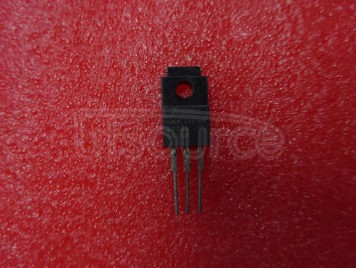
RF transistors serve as the backbone of modern electronics and communication systems, enabling everything from wireless networks to radar technology and satellite communications. For procurement managers tasked with sourcing these critical components, the challenge extends far beyond simply finding products that meet basic specifications. The market presents an overwhelming array of options, each with complex technical parameters and varying performance characteristics. Compounding this difficulty are sourcing inefficiencies—unreliable suppliers, inconsistent quality standards, and the pressure to balance cost against performance requirements. This article addresses these challenges by outlining the key factors essential for effective RF transistor comparative analysis. Whether you’re evaluating high-performance transistors for demanding applications or seeking to streamline your supplier relationships, understanding what truly matters in component comparison will transform your procurement process. We’ll guide procurement managers and technical buyers through the specifications, performance metrics, and sourcing strategies that lead to informed purchasing decisions, helping you cut through the noise and identify the optimal components for your specific applications while building efficient, reliable supply chains.
Table of Contents
Understanding RF Transistors and Their Role in Power Electronics
RF transistors are semiconductor devices designed to amplify and switch signals at radio frequencies, typically ranging from 3 kHz to 300 GHz. These components form the essential building blocks of wireless communication infrastructure, broadcasting equipment, radar systems, and satellite technology. In power electronics applications, RF transistors handle high-frequency signals while managing substantial power levels, making them indispensable for base stations, RF amplifiers, and transmitters. Their ability to operate efficiently at elevated frequencies while maintaining signal integrity distinguishes them from conventional transistors. For procurement managers, understanding this foundational role clarifies why comparative analysis becomes so critical—selecting the wrong component can cascade into system-wide performance degradation, increased power consumption, or premature failure. The stakes are particularly high in applications requiring consistent signal amplification across specific frequency bands or demanding thermal environments. Accurate comparative analysis directly impacts both immediate performance outcomes and long-term cost-effectiveness, as the right transistor choice optimizes power efficiency, reduces cooling requirements, and extends operational lifespan. This makes technical evaluation not merely an engineering exercise but a strategic procurement decision that affects total cost of ownership, system reliability, and competitive positioning in markets where performance margins matter significantly.
Decoding Key Transistor Specifications for Effective Comparison
When comparing RF transistors, procurement managers must navigate several critical specifications that directly influence component performance and application suitability. Frequency range defines the operational bandwidth where the transistor maintains optimal performance, typically spanning from HF through microwave frequencies. Gain, measured in decibels, indicates how effectively the transistor amplifies input signals—higher gain values reduce the need for additional amplification stages, simplifying circuit design. Power output capability determines the maximum RF power the device can deliver, essential for applications like transmitters and power amplifiers where signal strength matters. Efficiency, expressed as a percentage, reveals how much input power converts to useful RF output versus heat dissipation, directly impacting operating costs and thermal management requirements. Noise figure quantifies how much the transistor degrades signal quality, critical for receiver applications where signal clarity cannot be compromised. Input and output impedance values affect matching network design and overall system integration complexity. Low gate charge emerges as particularly significant for high-performance transistors because it enables faster switching transitions and reduces switching losses. This parameter measures the electrical charge required to switch the transistor between states—lower values mean the device responds more quickly to control signals while consuming less power during transitions. For procurement managers evaluating high-frequency applications, transistors with low gate charge deliver superior efficiency in switching power supplies, class-D amplifiers, and pulsed radar systems. Understanding these specifications transforms comparative analysis from overwhelming data comparison into strategic component selection that aligns technical capabilities with application demands and budget constraints.
The Impact of Low Gate Charge on High-Performance Transistors
Low gate charge represents a critical performance parameter that directly influences switching efficiency and speed in high-performance RF transistors. Gate charge measures the total electrical charge needed to fully switch the transistor from off to on states—lower values mean the device requires less energy and time to transition. This characteristic becomes especially valuable in applications involving rapid switching cycles, such as class-D amplifiers and pulsed power systems, where minimizing switching losses translates to reduced heat generation and improved overall efficiency. For procurement managers evaluating transistors for demanding applications, low gate charge components deliver tangible benefits: faster response times enable higher operating frequencies, reduced switching losses lower thermal management costs, and improved efficiency decreases power consumption across the system lifecycle. In practical terms, a transistor with half the gate charge of a competitor can switch twice as fast while consuming less drive power, directly impacting system performance and operational economics. This makes gate charge a decisive factor when comparing high-performance transistors, particularly in cost-sensitive applications where efficiency gains compound into significant savings over time.
Evaluating High-Performance Transistors: Beyond Basic Specifications
While fundamental specifications provide the starting point for RF transistor comparison, procurement managers must evaluate additional factors that significantly impact long-term performance and total cost of ownership. Reliability metrics, including mean time between failures (MTBF) and operational lifespan under stress conditions, reveal how components will perform throughout their service life—critical information for applications where downtime carries substantial costs. Thermal management characteristics determine how effectively the transistor dissipates heat during operation; components with superior thermal resistance reduce cooling system complexity and associated expenses. Packaging options affect both physical integration and electrical performance—surface-mount packages offer space efficiency for compact designs, while flanged packages provide enhanced thermal coupling for high-power applications. Environmental tolerances, including temperature range, humidity resistance, and vibration specifications, ensure components survive harsh operating conditions without degradation. Application-specific requirements often prove decisive in comparative analysis: a transistor optimized for linear amplification may perform poorly in switching applications, while devices designed for pulsed operation may not suit continuous-wave transmitters. Procurement managers should also consider qualification standards and certifications relevant to their industry, whether military specifications for defense applications or automotive standards for vehicular systems. Availability of technical documentation, application notes, and design support from manufacturers can accelerate integration and troubleshooting. By assessing these factors alongside basic specifications, procurement teams identify components that deliver not just adequate performance but optimal compatibility, longevity, and value across the entire product lifecycle, reducing the risk of costly redesigns or premature component obsolescence.




Sourcing Strategies: Partnering with Reliable Electronic Parts Suppliers
Identifying and partnering with reliable electronic parts suppliers represents a strategic imperative for procurement managers conducting RF transistor comparative analysis. The foundation of effective sourcing begins with thorough supplier vetting—verify certifications such as ISO 9001 for quality management systems, AS9100 for aerospace applications, or IATF 16949 for automotive standards, depending on your industry requirements. Assess supplier technical capabilities by requesting detailed documentation, including test reports, traceability records, and certificates of conformance that verify component authenticity and performance. Lead time consistency matters significantly in production planning; evaluate suppliers based on their historical delivery performance, inventory depth, and manufacturing capacity to handle both standard orders and urgent requirements. Quality assurance processes should extend beyond initial qualification—establish incoming inspection protocols, request failure analysis reports for any defective components, and maintain open communication channels for technical clarification. Technical support availability distinguishes exceptional suppliers from merely adequate ones; prioritize partners who provide application engineering assistance, design resources, and responsive problem-solving when integration challenges arise. Platforms like Utsource offer procurement managers access to comprehensive electronic component catalogs with detailed specifications, enabling efficient comparison of RF transistors and automation accessories from multiple manufacturers within a single interface. Building sustainable supplier relationships requires moving beyond transactional interactions toward collaborative partnerships—share forecasts to help suppliers plan inventory, provide feedback on component performance, and negotiate framework agreements that balance competitive pricing with supply security. Diversifying your supplier base mitigates risk while maintaining primary relationships with proven partners creates stability. For procurement managers, efficient sourcing means not just finding components at competitive prices but establishing reliable supply chains that support consistent production, minimize disruptions, and provide the technical expertise necessary for successful RF transistor implementation across diverse applications.
A Step-by-Step Guide to RF Transistor Comparative Analysis
Effective RF transistor comparative analysis follows a structured methodology that transforms complex technical data into actionable procurement decisions. Begin by defining your application requirements precisely—document the operating frequency range, required power output, efficiency targets, and environmental conditions the transistor must withstand. This clarity prevents wasting time evaluating components unsuited to your needs. Next, gather comprehensive specification sheets from multiple manufacturers for transistors meeting your baseline criteria, ensuring documentation includes all critical parameters like gain, noise figure, gate charge, and thermal characteristics. Create a comparison matrix organizing these specifications in columns, with candidate transistors in rows, enabling side-by-side evaluation of performance metrics. Weight each specification according to its importance for your application—switching speed may matter more than noise figure in power amplifiers, while the opposite holds true for receiver front-ends. Calculate a weighted score for each transistor to identify top candidates objectively. Request samples of the highest-scoring components and conduct bench testing under conditions simulating your actual application, measuring real-world performance against datasheet claims. Evaluate not just electrical performance but also mechanical fit, thermal behavior, and ease of integration. Document your findings systematically, noting any discrepancies between specifications and measured results. Finally, assess supplier factors including availability, lead times, technical support quality, and total cost of ownership before making your selection. This methodical approach eliminates guesswork, reduces procurement risk, and ensures your RF transistor choice delivers optimal performance while meeting budget and timeline constraints.
Strategic Procurement Excellence in RF Transistor Selection
Effective RF transistor comparative analysis hinges on understanding critical specifications—frequency range, gain, power output, efficiency, and particularly low gate charge for high-performance applications—while extending evaluation beyond datasheets to encompass reliability, thermal management, and application-specific compatibility. Procurement managers who master these key factors transform component selection from a daunting technical challenge into a strategic advantage, optimizing both immediate performance outcomes and long-term cost-effectiveness. Successful sourcing requires partnering with reliable electronic parts suppliers who demonstrate quality certifications, consistent delivery, and robust technical support, building relationships that ensure supply chain stability and access to expertise when integration challenges arise. By following a structured comparative analysis methodology—defining requirements precisely, creating weighted comparison matrices, conducting real-world testing, and evaluating total cost of ownership—procurement teams make informed decisions that reduce risk and enhance system performance. The complexity of RF transistor selection demands this disciplined approach, but the rewards are substantial: improved efficiency, reduced operational costs, extended component lifespan, and competitive positioning in markets where performance margins determine success. Apply these insights systematically in your procurement role, leverage the comparative frameworks outlined here, and cultivate supplier partnerships that support your technical objectives. Thorough comparative analysis isn’t merely best practice—it’s the foundation for procurement excellence in RF transistor sourcing.