
Aging used to feel like a simple clock ticking down. Cells divide, errors accumulate, organs gradually lose efficiency. Straightforward, predictable, inevitable. Except modern biochemistry keeps challenging that simple story.
Break down cellular decline to its raw components and things look different. Signalling pathways break down. Cellular repair mechanisms stall out. Communication between tissues loses its sharp precision. That shift in perspective changed everything. Researchers stopped looking at biological decline as one giant, unstoppable wave. Instead, they started examining the exact molecular triggers behind cellular wear and tear.
That brings us directly to amino acid chains. Small proteins. Specific signals. Short strings of amino acids, known as peptides, act like tiny keys in biological systems. They do not force complex reactions; they instruct cells to start processes that were already hardwired into the genome. Laboratory models now show how these short chains can restart dormant repair pathways, regulate oxidative stress, and manage cellular cleanup.
Table of Contents
Cellular Signaling and the Mechanics of Decay
Why do cells stop repairing themselves efficiently over time? Part of the answer sits in peptide signaling networks. Young biological systems maintain a constant chatter of chemical instructions. Receptors receive messages, execute repairs, and clear away metabolic debris without delay.
Over time, those signals fade. The cellular environment becomes noisy with inflammation and damaged proteins. Receptors become desensitized. Key amino acid sequences that usually trigger tissue restoration simply are not produced in the same quantities.
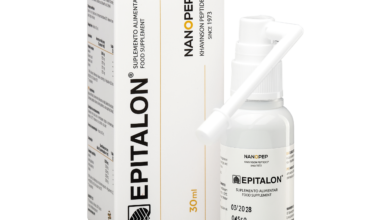
Laboratory focus has shifted toward isolated synthetic signaling molecules. By introducing specific sequences into laboratory models, scientists can track how target cells react when proper signaling is restored. Epitalon, for instance, has gained massive attention in telomere research. Telomeres, the protective caps at the ends of chromosomes, shorten during every cycle of cell division. When telomeres degrade too far, the cell enters senescence, a state where it stops dividing and secretes inflammatory markers.
In controlled research environments, short peptide chains appear to stimulate telomerase activity. That enzymatic reaction helps maintain telomere length, giving cellular lines extended replicative capacity. It is not magic: it is basic enzymatic regulation.
Research into cellular longevity frequently centers on these precise biological cascades. Laboratory settings require high-purity compounds to measure exact binding affinities and cellular responses. Investigators looking to study these short-chain amino acid sequences often need reliable laboratory suppliers to order Anti-Aging Peptides for standardized in vitro and animal model assays. Having consistent peptide purity ensures that data on cell viability, protein synthesis, and mitochondrial function remains accurate across multiple trial runs.
Mitochondrial Integrity and Metabolic Regulation
Mitochondria generate energy, but they also produce reactive oxygen species. That byproduct creates a constant state of internal friction. Over cycles of energy production, mitochondrial membranes suffer damage. Less energy gets produced; more oxidative waste leaks into the cytoplasm.
Specific research compounds target this exact breakdown. Take SS-31 or MOTS-c as primary examples in current literature. SS-31 targets cardiolipin, a specific lipid found inside the inner mitochondrial membrane. By binding to cardiolipin, the compound stabilizes membrane structure, reduces electron leakage, and restores ATP production efficiency in damaged cell lines.
MOTS-c operates through a completely different pathway. Encoded within the mitochondrial DNA itself, this peptide translocates to the nucleus during metabolic stress. Once in the nucleus, it regulates gene expression related to glucose metabolism and insulin sensitivity.
Scientists observe several distinct effects when testing these metabolic regulators on cellular cultures:
- Restored balance between mitochondrial fission and fusion
- Decreased production of damaging free radicals under hypoxic conditions
- Improved glucose uptake in insulin-resistant tissue samples
- Increased activation of AMPK, a major cellular energy sensor
These findings point to something crucial. Cellular aging is not merely an irreversible decay of structural material. Much of it stems from broken control loops that can, in theory, be recalibrated under precise laboratory conditions.
Tissue Regeneration and Collagen Synthesis
Outside the cell sits the extracellular matrix. Skin, tendons, blood vessels, and organs rely on this structural scaffold to maintain physical form. Collagen and elastin form the primary meshwork here. As time passes, cross-linking hardens this matrix while enzymatic breakdown outpaces new synthesis.
GHK-Cu, a naturally occurring copper complex, sits at the center of matrix remodeling research. Discovered during studies comparing young and old liver tissue, this tripeptide exhibits remarkable affinity for copper ions. Copper is an essential cofactor for lysyl oxidase, an enzyme required for collagen cross-linking.
In cell culture experiments, GHK-Cu does far more than supply copper. It upregulates hundreds of genes associated with tissue repair while downregulating genes tied to chronic inflammation and fibrosis. Fibroblasts exposed to the compound increase their production of collagen and elastin, restoring structural integrity to experimental tissue models.
Furthermore, research indicates GHK-Cu plays a role in skin barrier maintenance and wound repair models. It stimulates chemoattraction of immune cells to damaged areas, clears damaged tissue, and then signals for new vessel formation. Observing this sequence in petri dishes gives researchers a clear view into how targeted signaling orchestrates multi-stage repair.
Senolytics and the Clearance of Cellular Waste
One major obstacle in longevity research involves senescent cells. Often termed “zombie cells,” these units stop dividing yet refuse to undergo programmed cell death. Instead, they linger, secreting a cocktail of pro-inflammatory cytokines, chemokines, and matrix-degrading enzymes. This toxic secretion damages neighboring healthy cells, spreading dysfunction across entire tissue samples.
Clearing these lingering cells has become a chief objective in modern longevity science. Peptide-based senolytics offer a targeted approach. FOXO4-DRI provides a clear illustration of how targeted peptide design works.
FOXO4 is a transcription factor that binds to p53, a protein that regulates cell survival and death. In senescent cells, the interaction between FOXO4 and p53 keeps p53 from triggering apoptosis. The cell stays alive in a permanently damaged state.
FOXO4-DRI was designed as a competitive antagonist. It disrupts the binding between FOXO4 and p53. Once p53 is freed, it directs the senescent cell to undergo normal programmed cell death. In preclinical animal trials, clearing these senescent populations resulted in noticeable structural improvements in kidney function, hair density, and overall tissue homeostasis.
Targeting specific protein-protein interactions with designed peptides represents a major shift. Instead of blasting tissues with broad anti-inflammatory agents, researchers can isolate and neutralize the exact molecular locks holding damaged cells in place.
Neuroprotection and Cognitive Maintenance
Brain tissue presents unique challenges in anti-aging studies. Neurons do not divide readily, making their survival and maintenance critical over long timeframes. Brain-derived neurotrophic factor, or BDNF, supports neuronal survival, synaptic plasticity, and memory formation. BDNF levels drop naturally over time.
Direct administration of large neurotrophic proteins is difficult due to molecular size and stability issues. Short peptide fragments that mimic BDNF activity offer a practical research alternative. Semax and Selank, two synthetic peptides derived from naturally occurring regulatory molecules, have provided valuable insights into neuroprotection.
Semax, derived from adrenocorticotropic hormone, increases BDNF expression in the hippocampus in rodent models. It appears to protect neurons from ischemic damage by reducing inflammatory responses and modulating neurotransmitter activity.
Selank, modeled after the naturally occurring immunomodulatory peptide tuftsin, modulates GABAergic systems while influencing BDNF expression. In neuronal cultures exposed to oxidative stress or toxic protein aggregates, these short chains help maintain synaptic connections and prevent premature cell death.
Analyzing these brain-targeted molecules reveals several core mechanisms:
- Upregulation of neurotrophic factors that support neuronal survival
- Modulation of central neurotransmitter systems under stress conditions
- Protection of vascular integrity within neural tissue
- Reduction of neuroinflammation driven by microglial activation
Understanding these pathways provides a foundation for addressing cognitive decline at its biological roots rather than merely managing downstream symptoms.
The Road Ahead for Laboratory Research
Longevity science stands at a fascinating juncture. The focus has moved away from vague anti-aging claims toward precise molecular interventions. Short-chain amino acids provide researchers with an exceptionally fine-tuned toolset for probing cellular biology.
Challenges remain, of course. Peptide stability in biological environments presents an ongoing puzzle. Enzymes break down un-modified amino acid chains quickly, requiring structural modifications like D-amino acid substitution or acetylation to extend half-lives in testing models. Determining precise concentration thresholds for specific biological signaling without triggering receptor downregulation demands extensive experimentation.
Every breakthrough in the lab clarifies another piece of the aging puzzle. By systematically mapping how these signaling sequences interact with receptors, DNA repair mechanisms, and metabolic sensors, scientists are redefining what is biologically possible in cellular maintenance. The coming years will undoubtedly yield deeper insights as analytical tools become more sensitive and synthetic chemistry techniques continue to refine these remarkable signaling molecules.
-
-

-

-

-

-