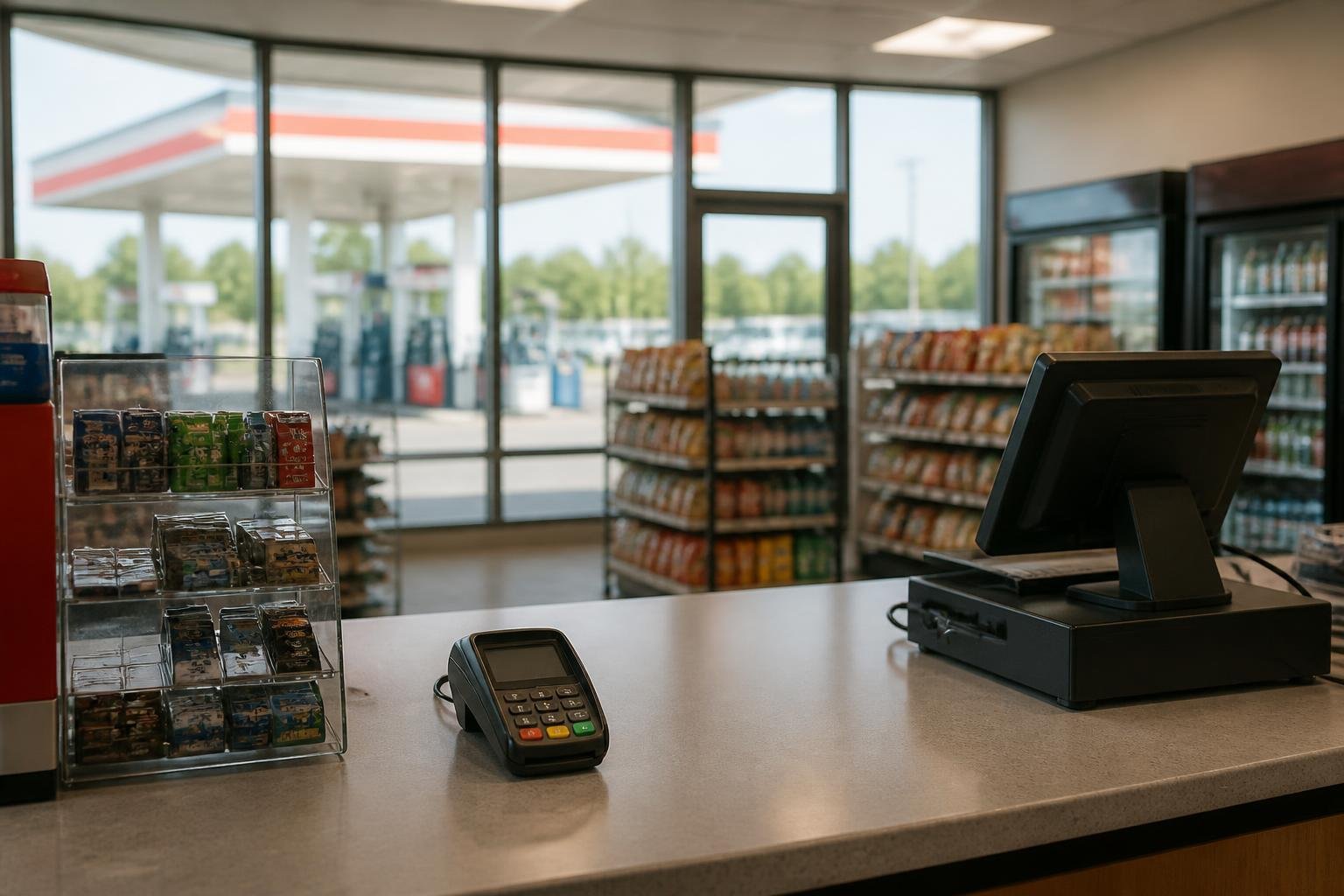
They sit near the register, next to energy shots, gummies, and vape products. The packaging can look harmless, even playful. But so-called gas station drugs are not harmless. This loose label usually refers to products sold in convenience stores and smoke shops that promise a buzz, better focus, pain relief, or relaxation. Common examples include tianeptine, kratom, high-dose caffeine products, synthetic cannabinoids, and unregulated sexual enhancement pills.
The danger is not just what these products do. It is how easy they are to buy, how poorly understood they are, and how often people assume that legal means safe.
Table of Contents
Why gas station drugs are risky
Many of these products exist in a gray area. Some are sold as supplements. Others are labeled “not for human consumption” despite being clearly marketed for use. That matters because supplements and novelty products do not go through the same premarket review as prescription medications.
The U.S. Food and Drug Administration has repeatedly warned that some over-the-counter enhancement and energy products sold in retail settings contain hidden drug ingredients. The Centers for Disease Control and Prevention has also reported serious illness linked to synthetic cannabinoids.
What makes them especially dangerous
Unclear ingredients and dosing
One package may not match the next. Potency can vary, and contamination is a real concern. A person may take more than intended without realizing it.


Fast access, false confidence
Products sold at a gas station do not trigger the same caution people might have around street drugs. That false sense of safety can lead to repeated use, mixing substances, or taking them alongside alcohol or medications.
Dependence can happen
Some gas station drugs can become habit-forming. The National Institute on Drug Abuse notes that kratom may cause dependence and withdrawal in some people. Tianeptine, sometimes called “gas station heroin” in news coverage, has also raised concern because of its opioid-like effects at high doses and its link to severe withdrawal and poisoning.
Signs a product is becoming a problem
- Using more than planned or more often than planned
- Feeling sick, anxious, or irritable without it
- Chasing the original effect with higher doses
- Hiding use from family or friends
- Mixing it with alcohol, cannabis, or prescription drugs
If those patterns are showing up, the issue is no longer about curiosity or convenience. It is about risk.
When “legal” use starts to look like addiction
People can develop real substance use problems with products that were bought casually and used privately. If gas station drugs become compulsive, treatment may need to address both the substance use and the stress, depression, trauma, or anxiety that helped keep it going. Programs that offer addiction treatment programs and a clear approach to treatment can be relevant when use has escalated.
Seasons in Malibu is one example of a center that treats addiction alongside mental health concerns when both are present. What matters most is recognizing that a product sold in plain sight can still do real harm, and that early help is often simpler than waiting for the fallout to get worse.