
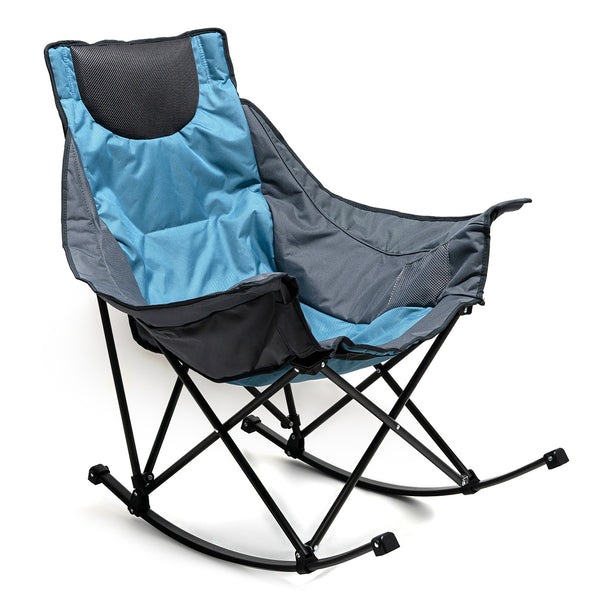
Picture this: you’re three hours into an outdoor music festival or a long camping trip, and the flimsy folding chair beneath you is already digging into your thighs, offering zero back support, and wobbling every time you shift your weight. You stand up just to relieve the discomfort, only to realize you’ve been doing that every twenty minutes. It’s a frustratingly common experience, and one that a heavy-duty ergonomic camping chair is specifically designed to solve.
These aren’t your average collapsible chairs. Built with reinforced frames, supportive seating architecture, and weather-resistant materials, heavy-duty ergonomic camping chairs combine structural toughness with genuine comfort — making them a game-changer for anyone who spends serious time outdoors. Whether you’re a weekend camper, a festival regular, or someone who simply refuses to sacrifice comfort in the wild, choosing the right chair matters more than most people realize.
This article breaks down everything you need to know: what truly defines a heavy-duty ergonomic camping chair, the essential features to look for, a practical step-by-step buying guide, and how to maintain your chair so it lasts for years of adventures to come.
Table of Contents
What is a Heavy-Duty Ergonomic Camping Chair? Defining the Standard
Camping chairs have come a long way from the rickety aluminum-framed seats of decades past. Early designs prioritized lightweight portability above everything else, leaving users hunched over flimsy fabric with no real support. Today’s heavy-duty ergonomic camping chairs represent a fundamentally different philosophy — one that refuses to treat comfort and durability as mutually exclusive.
Key Components of Heavy-Duty Construction
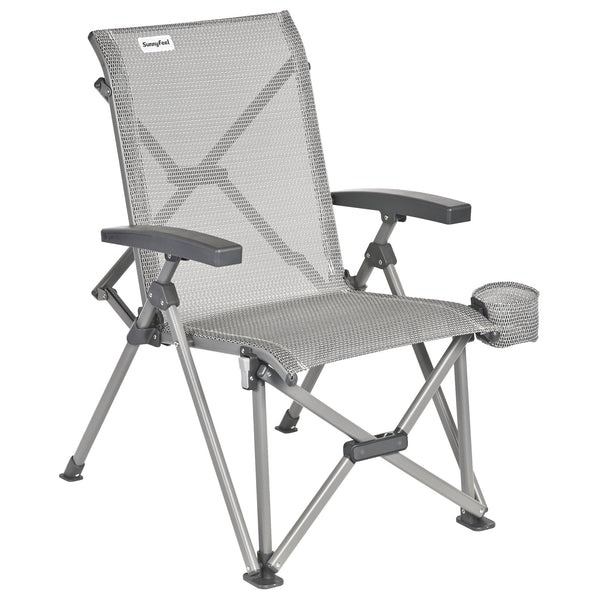
The “heavy-duty” designation isn’t just marketing language. It refers to measurable structural qualities: weight capacities typically starting at 300 pounds and extending beyond 500 pounds for premium models, reinforced steel or aircraft-grade aluminum frames, and high-denier ripstop fabrics that resist tearing under sustained stress. Welded joints rather than simple bolt connections, wider leg bases for ground stability, and anti-sink feet that prevent the chair from driving into soft terrain are all hallmarks of genuine heavy-duty construction. These elements work together to create a chair that holds its integrity across hundreds of uses rather than buckling after a single season.
The Science Behind Ergonomic Seating for Outdoor Use
Ergonomic design applies the same biomechanical principles outdoors that office furniture manufacturers have used for years. A properly engineered camping chair supports the natural S-curve of the spine through built-in lumbar support, positions the hips at an angle that reduces pressure on the lower back, and keeps the thighs parallel to the ground rather than angling downward and cutting off circulation. Breathable mesh panels prevent heat buildup during warm weather, while adjustable recline angles let users shift their posture during extended sitting sessions. The difference between a standard folding chair and a true ergonomic model becomes obvious within the first thirty minutes — one leaves you shifting and stretching constantly, while the other lets you genuinely settle in and stay comfortable for hours.
Essential Features for Comfort and Durability in Camping Chairs
Not every chair marketed as “heavy-duty” or “ergonomic” actually delivers on both promises. Knowing which features genuinely matter — and which are just selling points — helps you cut through the noise and invest in something that performs in the field. The best heavy-duty ergonomic camping chairs strike a precise balance: they’re built to endure real outdoor conditions while keeping your body comfortable through hours of sitting.
Ergonomic Elements for Long-Lasting Comfort
The foundation of ergonomic seating outdoors starts with a contoured backrest that mirrors the spine’s natural curve. Chairs with a pronounced lumbar arch prevent the lower back from collapsing into a C-shape — the primary cause of aching muscles after extended sitting. Beyond the back, an adjustable headrest makes a significant difference during reclined relaxation, supporting the neck without forcing an awkward angle. Seat height is another often-overlooked factor; a seat positioned too low forces the knees above hip level, compressing the hip flexors and reducing circulation in the thighs. Padded armrests at the correct height allow the shoulders to relax rather than hunch, reducing upper body fatigue during long festival days or campfire evenings. Together, these features shift the chair from merely functional to genuinely restorative.
Durability Features That Withstand Various Weather Conditions
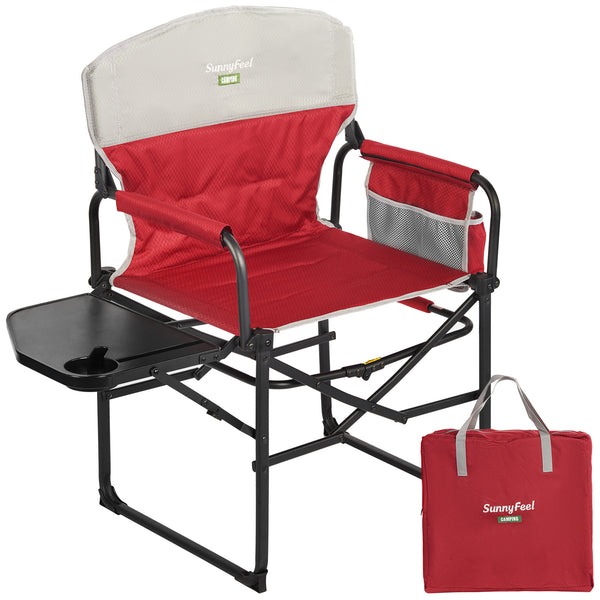
Outdoor environments are unforgiving — UV radiation degrades fabric, moisture corrodes metal, and repeated folding stresses joints. A chair built for longevity addresses each of these threats directly. Powder-coated steel or anodized aluminum frames resist rust and oxidation even after repeated exposure to rain and morning dew. Fabrics rated at 600 denier or higher with UV-resistant coatings maintain their color and tensile strength across multiple seasons rather than fading and weakening after a single summer. Waterproof or quick-drying seat materials prevent the misery of sitting on a damp chair after an unexpected shower. Reinforced stitching at high-stress points — particularly where the fabric connects to the frame — is a reliable indicator that a manufacturer has engineered for real-world use rather than showroom appeal. Brands like SunnyFeelOutdoor have built their reputation around precisely these construction standards, applying them consistently across their outdoor seating lineup.
Portability in Heavy-Duty Camping Chairs
Durability and portability can feel like opposing forces, but well-designed heavy-duty chairs manage both effectively. The key lies in how the chair folds and what it weighs when packed. Most quality models collapse into a compact bundle that fits into an included carry bag with a shoulder strap, making the trek from parking lot to campsite manageable even when your hands are already full. While heavier-duty construction naturally adds some weight compared to ultralight backpacking chairs, the best designs keep packed weight reasonable by using high-strength aluminum alloys rather than steel wherever possible. Wide, padded carrying straps distribute that weight across the shoulder rather than concentrating it at one point. If you’re car camping or attending festivals where you’ll walk moderate distances, prioritizing a chair with a dedicated carry bag and a manageable packed size ensures the convenience you need without sacrificing the structural integrity that makes the chair worth bringing in the first place.
How to Choose the Best Heavy-Duty Ergonomic Camping Chair: A Step-by-Step Guide
Walking into an outdoor retailer or scrolling through product listings without a clear framework is a reliable way to end up with a chair that looks impressive but fails in the field. A structured approach — one that starts with your actual needs and works outward toward specific features and brands — cuts through the marketing noise and leads you to a chair that genuinely fits your outdoor life.
Assessing Your Needs as an Outdoor Enthusiast
Before comparing any products, spend a few minutes honestly evaluating how and where you’ll use the chair. A car camper who sets up at established sites with flat, firm ground has different requirements than someone attending multi-day festivals on grass or soft soil. Consider how often you’ll be using the chair — occasional weekend trips demand less structural resilience than weekly use across an entire season. Think about your typical weather exposure: consistent sun calls for strong UV-resistant fabric, while coastal or rainy climates make corrosion-resistant frames non-negotiable. Your body also matters here; if you’re above average in height or weight, confirming that a chair’s dimensions and weight capacity genuinely accommodate you — not just technically, but comfortably — should be your first filter before evaluating anything else.
Step-by-Step Selection Process for Optimal Chairs
Once you know what you need, follow a deliberate selection process rather than gravitating toward the first well-reviewed option. Start by setting a realistic budget, keeping in mind that quality heavy-duty ergonomic camping chairs represent a long-term investment — a well-built chair used for five seasons costs far less per use than a cheap model replaced annually. Next, search specifically for chairs that meet your weight capacity requirement with a reasonable safety margin above your actual weight. Read reviews that focus on long-term durability rather than first impressions, paying particular attention to comments about joint integrity, fabric wear, and frame stability after repeated folding. Check the warranty terms: manufacturers confident in their construction typically offer at least one year of coverage, with premium brands extending to three or more. Finally, verify the packed dimensions and weight against your transport situation — a chair that’s technically portable but awkward to carry defeats the purpose.
Comparing Top Models and Brands
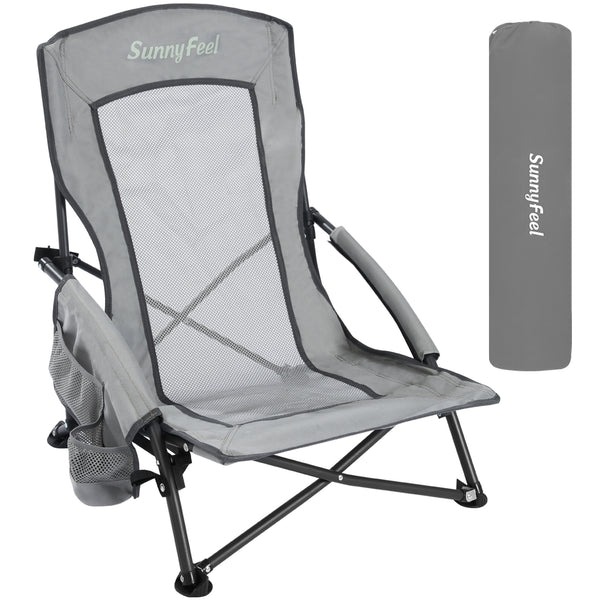
When narrowing down your final options, compare candidates across four consistent criteria: material quality, ergonomic design execution, portability, and after-sale support. Material quality assessment means looking beyond fabric denier numbers to how the frame joints are constructed — welded connections outperform bolted ones under repeated stress. For ergonomic design, check whether lumbar support is built into the frame’s shape or simply added as a removable cushion, since structural lumbar arches provide more consistent support over time. Portability comparison should include both packed weight and carry bag quality, since a flimsy bag ruins an otherwise excellent chair within a few trips. Outdoor gear review sites, camping forums, and retailer return rate data are all reliable resources for unbiased comparisons. Prioritizing brands with established reputations in the outdoor industry and accessible customer service — such as SunnyFeelOutdoor, which focuses specifically on outdoor furniture built for extended use — gives you recourse if something goes wrong and ensures you’re buying from a manufacturer that understands real-world outdoor demands.
Maintaining Your Heavy-Duty Ergonomic Camping Chair for Longevity
Even the most ruggedly built heavy-duty ergonomic camping chair will deteriorate prematurely without basic maintenance. The good news is that keeping your chair in peak condition doesn’t require specialized tools or significant time — just consistent habits before and after each trip. A few minutes of care after every outing can extend a quality chair’s lifespan from a couple of seasons to a decade or more.
Cleaning and Storage Best Practices
After every outdoor use, brush off loose dirt and debris from both the fabric and frame before anything has a chance to settle into seams or joints. For fabric cleaning, a mild soap solution and a soft-bristled brush handle most grime effectively — avoid harsh detergents that strip UV-protective coatings from the material. Rinse thoroughly and allow the chair to air dry completely before folding it for storage; packing a damp chair is the fastest route to mold growth in the fabric and rust formation at the frame joints. When storing between trips, keep the chair in a cool, dry location away from direct sunlight, which degrades fabric even when the chair isn’t in use. If you live in a humid climate, a breathable storage bag rather than a sealed plastic container allows any residual moisture to escape rather than accumulate.
Simple Repairs and When to Seek Replacements
Catching small issues early prevents them from becoming structural failures. Periodically check all bolted connections and tighten any that have worked loose through repeated folding — a basic multi-tool handles this in seconds. Small fabric tears can be addressed with outdoor gear repair tape or a fabric patch kit, both of which are inexpensive and widely available. If stitching begins separating at high-stress connection points where fabric meets frame, a heavy-duty needle and nylon thread can reinforce the seam before it fails completely. However, a bent or cracked frame component is a different matter — continuing to use a structurally compromised chair risks sudden collapse and injury. At that point, contact the manufacturer about warranty replacement parts, or consider retiring the chair entirely rather than risking a dangerous failure mid-use.
Invest in Comfort: Making the Right Chair Choice for the Outdoors
A heavy-duty ergonomic camping chair isn’t a luxury — it’s a practical investment in how you experience the outdoors. As this guide has shown, the difference between a chair that merely holds your weight and one that genuinely supports your body comes down to deliberate engineering: reinforced frames built for real load-bearing demands, ergonomic architecture that keeps your spine aligned through hours of sitting, and weather-resistant materials that hold up across seasons rather than a single trip.
Choosing the right chair means starting with honest self-assessment — your typical activities, your body’s needs, the environments you frequent — and then applying a structured comparison process that prioritizes long-term performance over short-term price appeal. Once you’ve made that investment, consistent maintenance habits protect it for years of reliable use.
The outdoor experiences you value most deserve more than a chair that leaves you standing every twenty minutes just to find relief. With the right heavy-duty ergonomic camping chair beneath you, your focus shifts entirely back to where it belongs — the campfire conversation, the music, the view, the moment. Use this guide to make a confident, informed choice, and bring that comfort with you every time you head outside.
-

-

-

-

-

-

