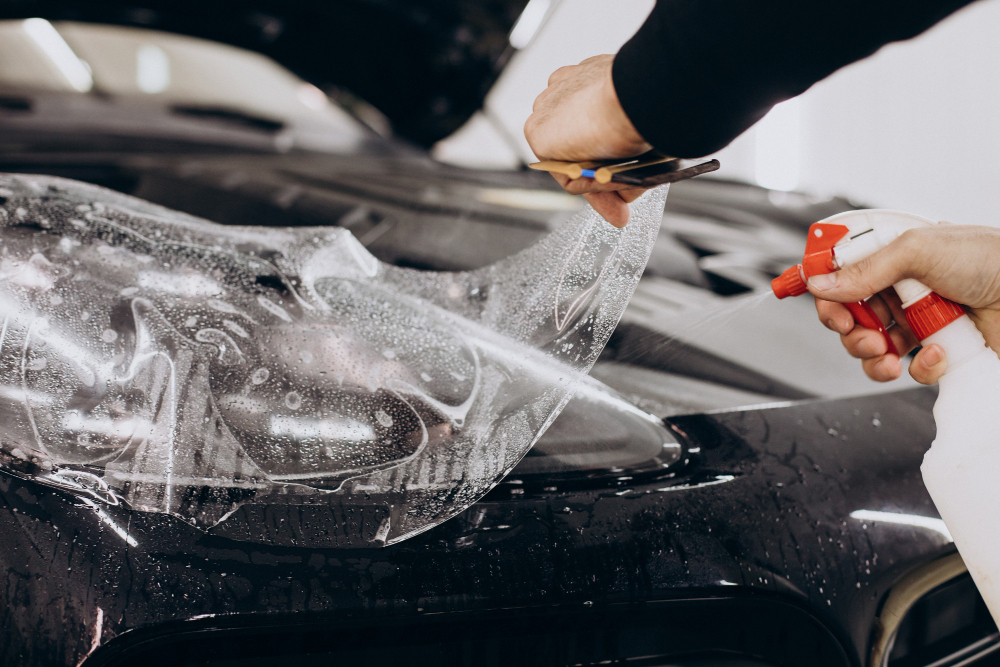
Choosing the right paint protection film training program can have a direct effect on how quickly you improve, how confidently you work, and how prepared you are to take on paid jobs.
Some courses stay at the level of general explanation, while stronger programs build real skill through live application, direct feedback, and practical troubleshooting. That difference matters in a trade where film handling, surface preparation, edge work, and finishing quality all shape the final result.
This guide explains what separates a strong training program from an average one, what certification can do for your credibility, and how the right foundation can support long-term growth in PPF installation.
Table of Contents
What to Look for in a Quality PPF Installation Training Program
Choosing the right training program can make a clear difference in how fast you progress. Not every course gives students the same level of instruction, practice, or follow-up support, so it helps to look beyond marketing language and focus on what the training actually includes.
Hands-On Training vs. Theory-Based Learning
Theory matters, but PPF is a practical skill. You can learn film types, tools, and application concepts in a classroom or online setting, but real progress comes from working with the material directly. Handling film on real panels teaches you how tension changes, how edges behave, and how quickly small mistakes become visible.
Strong PPF training should include substantial hands-on practice, not just demonstrations. Students need time to position film, manage slip and tack solutions, work bubbles out cleanly, and adjust to curves, mirrors, and bumper lines. Training that includes direct supervision helps shorten the learning curve and reduces the early mistakes that waste film and hurt confidence.
For readers comparing PPF training options, this one from ID Protection focuses on practical installation instruction, including vehicle prep, hand-cutting and pre-cutting, trimming, tucking, plotter software, guided hands-on application, follow-up support, and a completion certificate for the longer personal program.
Instructor Experience and Credentials
Instructor quality is one of the biggest factors in the value of a course. A trainer with real installation experience can explain more than the standard process. They can show when to reset a section instead of forcing it, how to avoid stretch marks, and how to approach panels that rarely go perfectly on the first attempt.
That experience matters because PPF installation involves constant small decisions that affect the result. A seasoned instructor can spot poor habits early, explain why a problem happened, and show a cleaner method before those habits become harder to fix.
Tools, Materials, and Support Provided
A good training program should provide the tools and film needed for practice, along with a setup that reflects real working conditions. Some established providers clearly include materials as part of the course. Avery Dennison, for example, says its wet-apply PPF training includes application tools, a roll of film, and a certificate of completion.
Support after the class can be just as important. New installers often understand the basics when they leave training, but they still run into questions once they begin working on their own. Access to follow-up guidance, technical help, or additional mentoring can make a meaningful difference at that stage.
Class Size and Personalized Attention
Smaller classes usually lead to better learning outcomes in hands-on trades. When instructors have time to watch each student closely, feedback becomes more specific and more useful. That means quicker correction of weak squeegee technique, better control during edge work, and more attention to prep and finishing details.
Large classes can still be helpful, but they often reduce the amount of direct coaching each student receives. If a program promises hands-on instruction, it should also give students enough supervised time to practice meaningfully.
From Training to Certification: Building Your Professional Credentials
Completing Your PPF Training Course
Most PPF training programs are short, intensive courses built around core installation skills. Students are usually introduced to prep work, tool handling, panel alignment, trimming, and final inspection. Some programs move from flat surfaces to more difficult panels over a few days of guided practice.
A certificate of completion shows that you have gone through structured instruction. It does not make someone an expert on its own, but it can be a useful first step when you are building credibility and learning the fundamentals properly.
Steps to Become a Certified Installer
Certification usually goes a step further than course completion. In many cases, installers complete training first, then spend time practicing before moving into a brand-specific assessment or approval process. Those programs often test technique, product familiarity, and installation quality against the manufacturer’s standards.
Because requirements vary by brand, it is worth checking how each certification path works before choosing a program. Some focus heavily on product systems, while others place more emphasis on installation consistency and finished results.
Benefits of Official Certification
Certification can help build trust with both employers and customers. It signals that you have completed recognized training and met a defined standard. Some manufacturers also use installer networks or training pathways to support business development and ongoing advancement. XPEL, for example, positions its training and certification courses as a way for installers to gain expertise, improve technique, and create new opportunities.
Official credentials can also matter for warranty-related work or brand alignment, depending on the manufacturer and product line. That makes certification more than a simple badge in certain parts of the market.
Ongoing Learning and Skill Development
Training should not be treated as the end of the process. Products change, installation methods improve, and new vehicle shapes and surfaces create new challenges. Installers who keep learning tend to adapt faster and deliver better results over time.
That is why post-training support, advanced classes, and continued practice are worth considering when choosing a provider. A course is more valuable when it helps you improve after graduation, not just during the class itself.
Turning Your PPF Skills into a Profitable Business
Pricing Your PPF Services
Once your technical skills improve, pricing becomes one of the biggest business decisions you make. Rates depend on film type, coverage area, vehicle complexity, labor time, and the level of finish you can consistently deliver.
More complex vehicles and full-body jobs naturally command higher prices than smaller coverage packages, but profitability depends on more than the job total.
A strong pricing model should account for prep time, installation difficulty, material waste, overhead, and the value of your skill. Installers who price only around film cost usually leave money on the table.
Marketing to Attract High-Value Clients
Marketing matters because many customers begin their search online. A clear website, strong service pages, before-and-after photos, and a steady stream of visible work can all help build trust before a customer ever reaches out. Shops that explain the value of PPF clearly and show their results tend to stand out more than those that rely only on generic advertising.
Localisability, customer reviews, and consistent branding also help bring in stronger leads. Over time, reputation becomes one of the biggest drivers of repeat work and referrals.
Managing Costs and Improving Margins
PPF can become a strong service line when the work is priced properly, and installation quality stays consistent. Better training helps with both. Installers who work efficiently waste less material, spend less time correcting mistakes, and create a smoother customer experience.
Good margins come from a mix of technical skill, careful workflow, smart purchasing, and strong service positioning. Many shops also increase revenue by pairing PPF with related services such as tint, ceramic coatings, or detailing, provided those services fit the business model and customer base.
Conclusion
A strong PPF training program builds more than basic installation knowledge. It shapes how you approach prep work, film handling, quality control, and customer expectations.
The best courses combine practical instruction, experienced guidance, and enough supervised practice to help you build repeatable skills.
Certification can then add credibility and open more professional opportunities, especially when paired with continued learning. Over time, those skills support better pricing, stronger customer trust, and more consistent results.
The most useful training choice is usually the one that gives you real hands-on practice, clear instruction, and support that still matters once you begin working on your own.
-

-

-

-

-

-