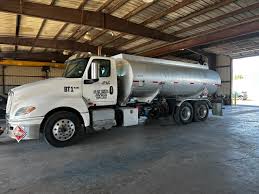
In today’s fast-paced commercial environment, having a dependable supply of fuel is essential for a broad range of operations. Whether a business is involved in transportation, manufacturing, agriculture, or any other industry requiring energy resources, ensuring continuous access to fuel is critical. This is where professional fuel distribution services play a pivotal role. Delivering fuel efficiently and reliably can help businesses maintain their operations without interruption, optimise costs, and enhance overall productivity.
Table of Contents
The Importance of Fuel Distribution Services
Fuel distribution services manage the logistics of delivering petrol, diesel, kerosene, or other fuel types to businesses in bulk or retail quantities. The importance of reliable fuel delivery cannot be overstated, particularly in industries reliant on vehicles or machinery. Unexpected fuel shortages can cause operational delays, reduce workforce efficiency, and affect customer satisfaction.
Moreover, managing fuel internally often requires substantial infrastructure investments for storage and safety compliance. Outsourcing to professional fuel suppliers not only mitigates these risks but also leverages the expertise of experienced service providers who understand industry regulations and safety standards.
Key Benefits of Professional Fuel Distribution
Engaging with a specialised provider offers numerous advantages. One of the primary benefits is access to high-quality fuel that meets industry standards. Quality assurance is crucial in preventing engine malfunctions and ensuring smooth operation of equipment.
In addition, business owners can benefit from scheduled deliveries tailored to their consumption patterns, eliminating the challenges of erratic fuel availability. This allows for better budgeting and forecasting of fuel expenses, helping businesses control operational costs more effectively.




Safety and Compliance in Fuel Delivery
Fuel distribution is subject to rigorous safety regulations to prevent environmental contamination and reduce fire hazards. Certified distributors employ trained personnel who adhere to safety protocols during transportation and delivery.
Compliance with environmental regulations is an essential factor. Professional suppliers maintain compliance with legislation concerning fuel storage, handling, and reporting. This not only protects the business from potential legal repercussions but also supports corporate responsibility efforts in sustainability.
Technological Advancements in Fuel Distribution
The integration of technology in fuel management systems has revolutionised how fuel distribution is conducted. Modern distributors use telematics and automated tracking systems that provide real-time updates on deliveries. This transparency enhances communication between the supplier and the client, ensuring both parties are informed about fuel quantities and delivery schedules.
Furthermore, data analytics supports optimisation of delivery routes, reducing transportation costs and carbon footprint. This innovation benefits not only the supplier but also clients committed to reducing their environmental impact.
Choosing the Right Fuel Distribution Partner
Selecting a fuel supplier requires careful evaluation of several factors. Reliability is paramount; businesses must consider suppliers who demonstrate a proven track record of timely deliveries and consistent fuel quality.
Financial stability and competitive pricing are also significant considerations. Companies should seek providers who offer transparent pricing structures free from hidden fees. Flexibility in delivery volumes and schedules caters to the fluctuating needs of most enterprises.
Customer support and communication efficiency further distinguish superior service providers from others. Prompt responses to inquiries and proactive issue resolution contribute to a smooth partnership.
Environmental Considerations
In light of increasing environmental concerns, many businesses are prioritising suppliers who actively engage in sustainable practices. This includes offering biofuels or cleaner fuel alternatives and using vehicles with lower emissions for distribution.
By aligning with eco-conscious suppliers, businesses can contribute to environmental conservation efforts and enhance their own corporate social responsibility profiles.
Case for Outsourcing Fuel Distribution
Outsourcing fuel logistics allows companies to focus on their core competencies while leaving fuel management to experts. This can lead to improved operational efficiency and cost savings. Additionally, fuel distributors often possess specialised equipment, such as tanker fleets and storage facilities, which many businesses may find cost-prohibitive to maintain in-house.
Furthermore, risk management improves as the responsibility of complying with regulatory requirements shifts to the supplier, reducing the potential liabilities for the client.
Conclusion
Reliable fuel distribution services are integral to the uninterrupted functioning of many businesses across diverse sectors. By partnering with reputable and experienced suppliers, companies not only secure a consistent and high-quality fuel supply but also benefit from enhanced operational efficiency, compliance assurance, and cost management.
For businesses looking to optimise their fuel supply infrastructure, exploring professional fuel distribution services can provide tailored solutions that meet specific operational requirements and support long-term growth objectives.