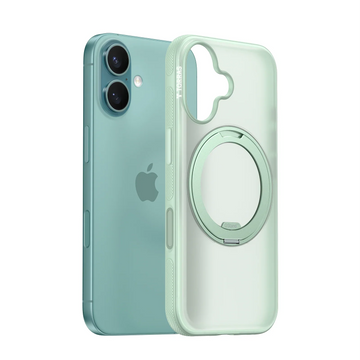
Your iPhone 16 is a significant investment, and the case you choose plays a bigger role than most people realize. Beyond aesthetics, the right case determines how well your device survives daily wear, how efficiently it manages heat during demanding tasks, and whether you can return it hassle-free if it falls short of expectations. Yet many users overlook these practical dimensions entirely until something goes wrong.
Tech-savvy consumers today face two surprisingly complex challenges. First, return policies across retailers vary wildly, and missing a single condition can leave you stuck with a case that doesn’t work for you. Second, the wrong case material or design can trap heat, quietly degrading your iPhone 16’s performance and battery health over time. These aren’t minor inconveniences — they directly affect how long your device performs at its best.
This article cuts through the confusion. You’ll find a clear breakdown of how to navigate return policies without losing money, expert guidance on choosing and using cases that support proper heat dissipation, and practical cleaning routines that extend case life while keeping hygiene in check. Whether you prioritize performance, sustainability, or simply getting the most value from your purchase, these actionable tips are designed to help you make smarter, more informed decisions about iPhone 16 case ownership.
Table of Contents
Navigating iPhone 16 Phone Case Return Policies
Buying an iPhone 16 case online or in-store feels straightforward until you realize the case doesn’t fit your lifestyle, arrives damaged, or simply fails to impress. At that point, your ability to recover your money depends entirely on how well you understand the retailer’s return policy — and whether you’ve met every condition. For consumers who care about value and sustainability, knowing this landscape before you buy is just as important as comparing case materials or reviews.
Key Factors in Return Policies for iPhone 16 Cases
Most retailers set return windows between 15 and 30 days from the purchase date, though premium retailers like Apple offer a more generous 14-day window with strict original-packaging requirements. Pay close attention to condition requirements — many policies explicitly reject returns on items showing signs of use, scratches, or missing accessories. Restocking fees, typically ranging from 10% to 15%, often apply to opened tech accessories and can quietly eat into your refund. Warranty periods are separate from return windows; a manufacturer’s warranty might cover defects for a year but won’t help you swap a case you simply dislike after the return window closes. Understanding these distinctions upfront lets you make smarter, lower-risk purchasing decisions while avoiding unnecessary waste from cases that end up discarded rather than properly returned or recycled.



Practical Steps for a Smooth Return Process
Start by photographing the case immediately upon arrival — both the packaging and the product itself. This documentation protects you if the retailer disputes the condition during a return claim. Test the case within the first 48 hours by checking fit, button responsiveness, port alignment, and MagSafe compatibility if applicable. Keep the original packaging intact until you’re confident you’re keeping the case. When initiating a return, contact the retailer’s support team through their official channel and reference your order number directly. Be specific about the issue — “the case traps heat during charging” is more actionable than “I don’t like it.” If the case is defective, request a prepaid return label; most reputable retailers provide one. For cases that can’t be returned, research recycling programs like TerraCycle, which accepts phone accessories, to avoid contributing to landfill waste.
Mastering Heat Dissipation with Your iPhone 16 Case
The iPhone 16’s A18 chip is a powerhouse, but that performance comes with a thermal cost. During intensive tasks — gaming, 4K video recording, or extended navigation — the processor generates significant heat. Your phone’s internal thermal management system works to disperse that heat outward through the chassis. The problem? The wrong case acts like an insulating blanket, trapping heat against the device and forcing the system to throttle performance to prevent damage. Over months of repeated thermal stress, this quietly accelerates battery degradation and reduces overall longevity. Choosing a case with heat dissipation in mind isn’t just a performance decision — it’s a long-term investment in your device’s health.
Material choice is the single biggest thermal variable. Silicone cases, while popular for their grip and shock absorption, have low thermal conductivity, meaning heat has nowhere to go. Thick TPU cases share this limitation. Hard plastic cases perform marginally better but still create a sealed environment around the device. Leather cases, despite their premium feel, are natural insulators that compound heat retention during charging. The best thermal performers are slim polycarbonate cases with open-lattice or honeycomb designs, and aluminum or titanium-framed cases that actively conduct heat away from the chassis. Some specialized cases — such as those from TORRAS, which incorporates graphene-based thermal layers into select models — are specifically engineered for thermal conductivity, a worthwhile consideration for users who push their devices hard.
How iPhone 16 Case Design Impacts Heat Management
Beyond material, physical design determines how effectively heat escapes. Bulky, full-coverage cases create an enclosed microenvironment where heat accumulates with no exit path. Slim cases with open-port designs and minimal back coverage allow natural airflow and better thermal exchange with surrounding air. Raised bezels, while protective for screens, can restrict airflow along the device’s edges — a meaningful trade-off to consider. Cases featuring cutouts near the charging port or camera module aren’t just aesthetic choices; they create ventilation points that meaningfully reduce heat buildup during charging cycles. For tech-savvy users, the sweet spot is a slim, hard-shell case with strategic ventilation cutouts — enough protection for daily drops without compromising the thermal management your iPhone 16 depends on during sustained workloads.
Best Practices for Optimal Heat Control
Even the best-designed case benefits from smart usage habits. Remove the case entirely during wireless charging sessions, since MagSafe generates additional heat that compounds with case-induced retention — Apple itself recommends this. Avoid leaving your iPhone 16 in direct sunlight, particularly inside a parked car, where ambient temperatures can spike rapidly and overwhelm the device’s thermal management. During extended gaming sessions, take five-minute breaks every 30 minutes to allow passive cooling. If your phone feels warm during normal use, check whether background apps are driving unnecessary processor load. For users in consistently hot climates, consider a dedicated cooling accessory like a clip-on semiconductor cooler designed for smartphones. Regularly clean case vents and openings to prevent dust accumulation from blocking airflow — a simple step that preserves both heat dissipation efficiency and case longevity, reducing the frequency of replacements and the environmental footprint that comes with them.
Essential Cleaning Tips for Your iPhone 16 Case
A clean case isn’t just about appearances. Dirt, oils, and bacteria accumulate on case surfaces daily, accelerating material degradation and — critically for heat management — clogging the ventilation cutouts that allow airflow around your device. Regular cleaning extends case life, maintains grip performance, and supports the thermal dissipation your iPhone 16 depends on during demanding tasks. From an environmental standpoint, a well-maintained case that lasts two years generates significantly less waste than one replaced every six months due to neglect. Choosing eco-friendly cleaning products — plant-based soaps, reusable microfiber cloths, and alcohol-free solutions where appropriate — keeps your routine sustainable without sacrificing effectiveness.
Daily and Weekly Cleaning Routines
Daily maintenance takes under a minute and prevents buildup from becoming a deeper problem. Wipe the case exterior with a dry microfiber cloth each evening to remove surface oils and dust. Pay particular attention to corners, port openings, and camera cutouts where debris concentrates. Weekly, dampen the microfiber cloth lightly with water and wipe all surfaces, including the interior where lint and skin cells accumulate against your phone. For silicone cases, a small amount of dish soap on the damp cloth removes stubborn oils effectively. Let the case air-dry completely before reattaching it to your iPhone 16 — moisture trapped between the case and chassis creates its own heat retention problem.
Deep Cleaning Methods for Different Materials
Material determines your deep-cleaning approach. Hard polycarbonate and plastic cases tolerate a 70% isopropyl alcohol wipe-down monthly, which disinfects without warping the material — apply to a cloth rather than directly to the case. Silicone cases respond well to a baking soda paste for stubborn staining; apply, let sit for five minutes, then rinse thoroughly. Fabric and textile cases require a soft brush dipped in mild soapy water, scrubbing gently along the weave before air-drying flat. Leather cases need dedicated leather cleaner and conditioner — avoid water saturation, which causes cracking. Metal-framed cases can develop oxidation; a cotton swab dipped in white vinegar clears it from seams without scratching. For worn-out cases beyond cleaning, TerraCycle’s Zero Waste Box program accepts phone accessories for responsible recycling rather than landfill disposal.
Smarter iPhone 16 Case Choices for Performance and Longevity
Protecting your iPhone 16 goes well beyond picking a case that looks good. As this article has shown, three practical dimensions deserve equal attention: understanding return policies before you buy, choosing case materials and designs that support thermal management, and maintaining your case with consistent cleaning routines.
Smart return policy navigation means documenting purchases immediately, testing cases within the first 48 hours, and knowing exactly what conditions your retailer requires. On the thermal side, slim polycarbonate or metal-framed cases with strategic ventilation outperform thick silicone or leather for heat dissipation — a choice that directly protects your A18 chip’s performance and your battery’s long-term health. Pairing the right case with habits like removing it during MagSafe charging and avoiding direct sunlight compounds those benefits further. Regular cleaning — daily wipe-downs, weekly interior cleans, and material-appropriate deep cleaning monthly — keeps ventilation cutouts clear, extends case lifespan, and reduces unnecessary waste.
These aren’t abstract recommendations. Each tip translates directly into better device performance, smarter spending, and a smaller environmental footprint. Start by auditing your current case against these criteria, then apply the cleaning routine that matches your material. Your iPhone 16 — and your wallet — will reflect the difference.