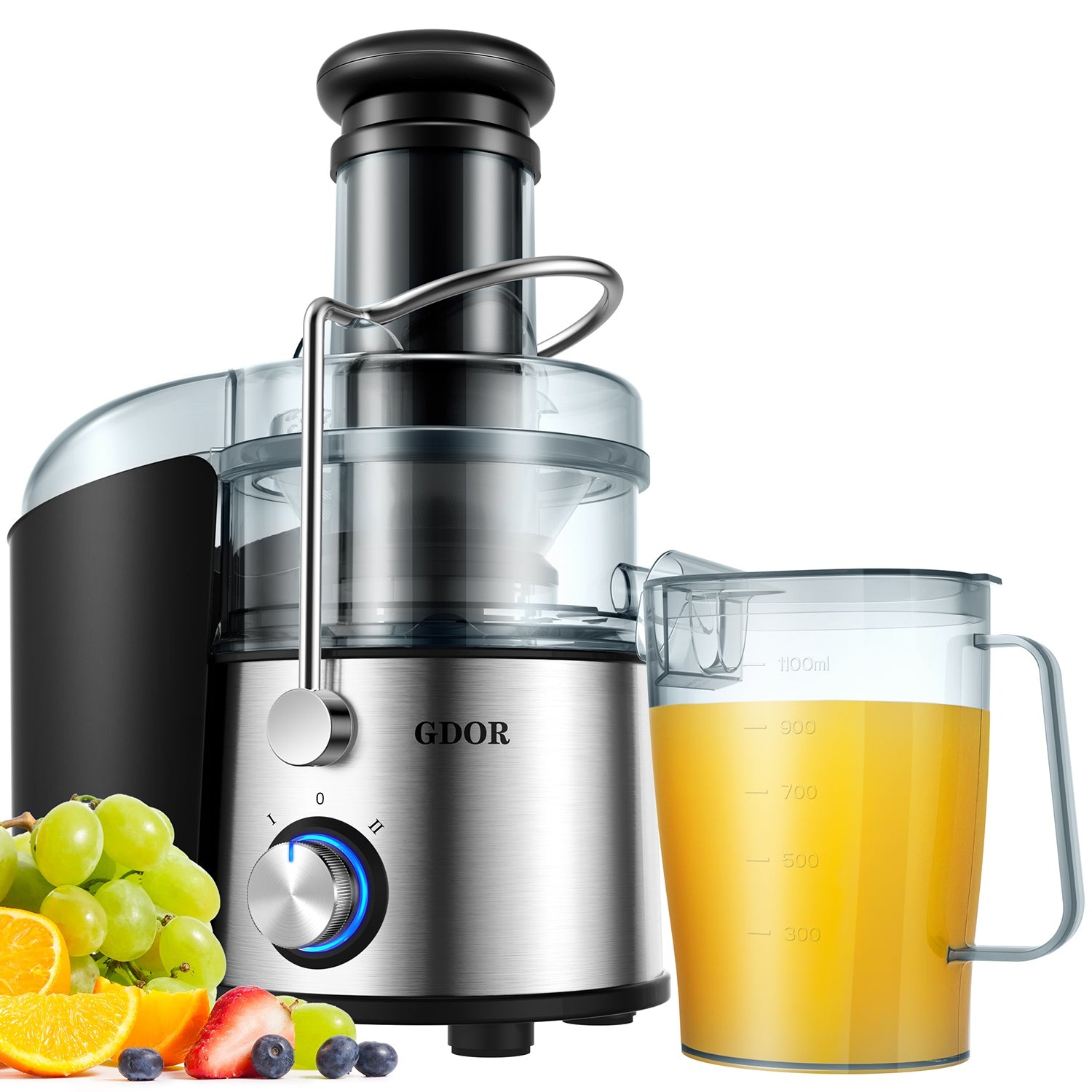
Fresh juice delivers concentrated nutrients and vibrant flavors that store-bought alternatives simply cannot match. Yet the journey from intention to daily juicing often derails when faced with overwhelming equipment choices. Masticating juicers represent a premium option that promises superior juice quality, but their complexity can intimidate first-time buyers. The real challenge isn’t just finding a juicer—it’s discovering one that combines three essential qualities: reliable safety features that protect you during operation, straightforward cleaning that fits your lifestyle, and dual-speed functionality that handles everything from delicate greens to tough root vegetables. This article cuts through the confusion by guiding you through each critical factor, ensuring your investment becomes a trusted kitchen companion rather than an expensive dust collector.
Table of Contents
Understanding Masticating Juicers: A Foundation for First-Time Buyers
Masticating juicers, also called cold-press juicers, operate using a slow, grinding mechanism that crushes produce against a screen rather than spinning it at high speeds. This deliberate approach extracts juice by pressing and squeezing, mimicking the action of chewing—hence the name “masticate.” Unlike centrifugal juicers that use rapid blade rotation, masticating models work at speeds typically between 40 and 80 RPM, generating significantly less heat during the extraction process. This lower-temperature operation preserves heat-sensitive nutrients, enzymes, and vitamins that would otherwise degrade under the friction of high-speed juicing. The result is juice with deeper color, richer flavor, and superior nutritional density that remains fresher longer. Beyond nutrition, masticating juicers operate considerably quieter than their centrifugal counterparts, making early morning or late evening juicing less disruptive to your household. They also extract more juice from the same amount of produce, reducing waste and maximizing your return on investment. For beginners seeking quality juice without the noise and nutrient loss of centrifugal models, masticating juicers represent a worthwhile upgrade. Their straightforward design—featuring a motor, auger, and screen—makes them more approachable than their reputation suggests, especially when you understand how each component contributes to your juicing success.

Safety First: Essential Features of a Safe Juicer for Your Kitchen
Safety should never be an afterthought when selecting kitchen equipment, especially for devices with powerful motors and moving parts. A well-designed masticating juicer incorporates multiple protective layers that allow you to juice confidently without worry. Non-slip feet anchor your juicer firmly to the countertop, preventing unwanted movement during operation that could lead to spills or accidents. Overload protection automatically shuts down the motor when it detects excessive resistance, protecting both the machine and your hands from potential jamming situations. Secure locking mechanisms ensure that the hopper and collection containers remain firmly in place throughout the juicing cycle, eliminating the risk of components shifting or detaching unexpectedly. BPA-free materials throughout all food-contact surfaces protect your health by eliminating exposure to harmful chemicals that could leach into your fresh juice.
Evaluating Safety in Design and Operation
Assessing safety requires looking beyond marketing claims to examine actual design features and user experiences. Check for UL listing or similar certifications from recognized safety organizations, which indicate the juicer has undergone rigorous testing. Read customer reviews specifically mentioning safety concerns, paying attention to patterns rather than isolated complaints. Test the juicer’s stability by gently pushing on it before purchase if possible, ensuring it won’t tip or slide during normal use. Examine the motor housing for adequate ventilation to prevent overheating during extended juicing sessions. Verify that all removable parts fit snugly without excessive force, reducing injury risk during assembly and disassembly. Look for emergency stop buttons and intuitive controls that you can operate safely even with wet hands. These practical checks transform abstract safety concepts into concrete confidence in your equipment’s reliability.
Easy Clean-Up: Choosing a Juicer Designed for Simple Maintenance
Cleaning complexity ranks among the top reasons people abandon their juicing routines, transforming an exciting kitchen tool into a burden. A masticating juicer designed with easy maintenance in mind removes this barrier, making daily juicing sustainable rather than sporadic. Dishwasher-safe components eliminate the tedious hand-washing that discourages regular use, allowing you to toss removable parts into the machine while you enjoy your fresh juice. Minimal component design means fewer pieces to disassemble, clean, and reassemble—reducing both time investment and the likelihood of misplacing small parts. Some advanced models feature self-cleaning functions that flush water through the system automatically, breaking up residual pulp and fiber without requiring manual scrubbing. Included brush tools specifically designed for your juicer’s screen and auger reach areas that sponges cannot, effectively removing stubborn pulp buildup that compromises future juice quality. When you examine potential models, prioritize those with smooth, crevice-free surfaces that don’t trap particles, and verify that all food-contact components separate easily without requiring excessive force or specialized tools. The difference between a juicer you’ll use daily and one gathering dust often comes down to whether cleanup feels like a five-minute task or a thirty-minute ordeal. By selecting a model engineered for straightforward maintenance, you’re investing in consistency and long-term enjoyment of your fresh juice habit.
Step-by-Step Guide to Cleaning Your Masticating Juicer
Establishing an efficient cleaning routine transforms maintenance from intimidating to automatic. Immediately after juicing, rinse the hopper and pulp container under running water while pulp remains moist, preventing it from drying and hardening onto surfaces. Disassemble all removable components—the auger, screen, and collection containers—following your juicer’s manual to ensure you remove each piece correctly. Use the included brush tool to gently scrub the screen in circular motions, working from multiple angles to dislodge fiber buildup completely. For the auger, run water through its spiral grooves while rotating it by hand, using the brush to address any stubborn residue. Wash all plastic components with warm soapy water, paying special attention to seals and grooves where bacteria can accumulate. If your model includes dishwasher-safe parts, place them on the top rack for added convenience. Dry each component thoroughly before reassembly, preventing moisture from promoting mold growth or creating unpleasant odors. This entire process typically takes five to ten minutes, making daily cleaning manageable even during busy mornings. By establishing this habit immediately after juicing, you’ll prevent pulp from hardening and ensure your juicer remains fresh-smelling and ready for tomorrow’s juice.
Dual-Speed Dynamics: Maximizing Efficiency with Variable Settings
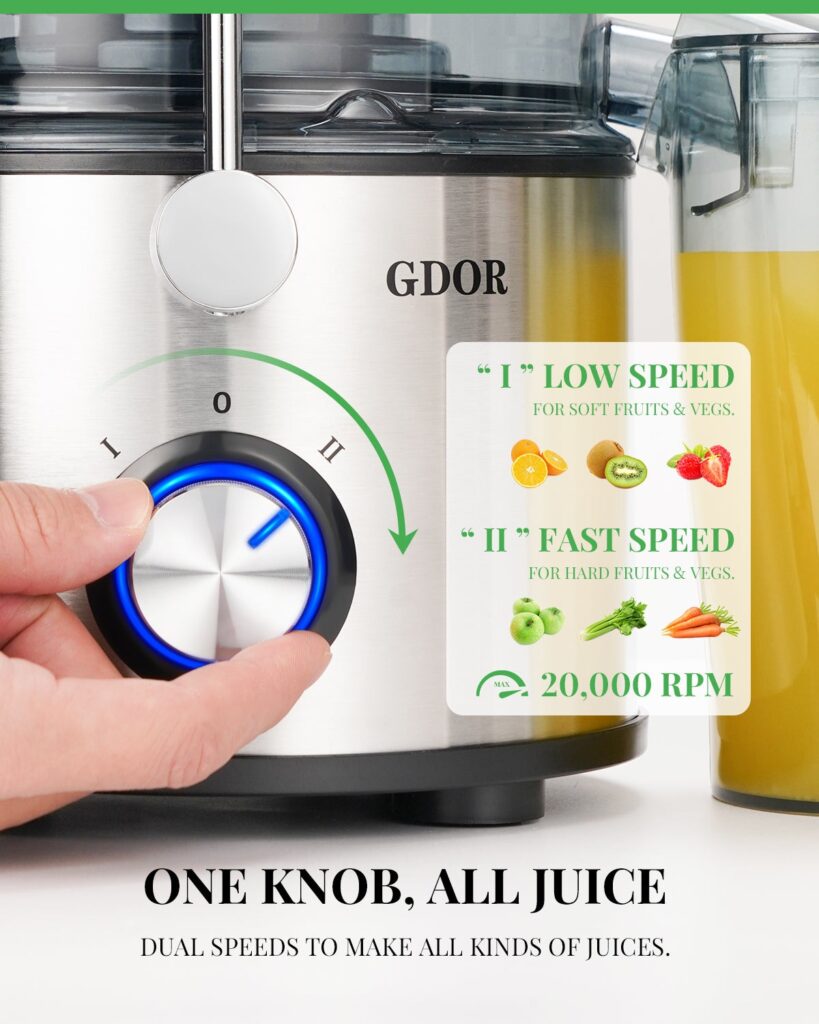
Dual-speed functionality represents one of the most practical innovations in masticating juicer design, transforming a single-purpose tool into a versatile kitchen workhorse. Rather than operating at a fixed speed regardless of produce type, dual-speed juicers offer two distinct RPM settings that you can select based on what you’re juicing. The lower speed setting, typically around 40-50 RPM, provides gentle extraction perfect for delicate leafy greens like spinach, kale, and wheatgrass, preventing oxidation and nutrient breakdown that can occur with excessive agitation. This slower setting also works beautifully for soft fruits such as berries and citrus, where aggressive processing would compromise texture and flavor. The higher speed setting, usually between 60-80 RPM, tackles demanding produce like hard root vegetables, carrots, beets, and ginger, where additional force ensures complete juice extraction and prevents motor strain from struggling with tough fibers. By matching speed to produce type, you optimize juice yield while extending your juicer’s motor lifespan and reducing the risk of jamming or overheating. This flexibility means you’re not compromising between specialized machines—one juicer handles your complete produce range efficiently. First-time buyers particularly benefit from dual-speed functionality because it removes guesswork from the juicing process, allowing you to follow simple guidelines rather than troubleshooting why certain vegetables produce disappointing results. The ability to switch speeds with a single button makes daily juicing more intuitive and enjoyable, encouraging consistent use as you discover which settings work best for your favorite produce combinations. Just as quality kitchen appliances like SHARDOR’s precision-engineered equipment enhance the coffee brewing experience through thoughtful design and reliability, a well-designed dual-speed juicer transforms your daily juice preparation into an effortless ritual.
Your Step-by-Step Guide to Picking the Perfect Masticating Juicer
Selecting the right masticating juicer becomes straightforward when you follow a systematic approach that addresses your specific needs and priorities. Begin by assessing your personal juicing habits and the types of produce you’ll process most frequently. If you envision yourself juicing primarily leafy greens and soft fruits, dual-speed functionality becomes essential for protecting delicate nutrients. Conversely, if your focus centers on hard vegetables and roots, prioritize models with robust motors and higher speed capabilities. Next, evaluate your kitchen’s physical setup and your household’s safety concerns. Families with children benefit greatly from juicers featuring prominent emergency stop buttons and secure locking mechanisms, while those with limited counter space should prioritize compact designs with stable bases. Third, thoroughly investigate cleaning requirements by reading detailed user reviews that specifically mention maintenance experiences, and verify which components are dishwasher-safe versus requiring hand-washing. Request product specifications that detail the number of removable parts and whether self-cleaning functions are included. Fourth, test dual-speed functionality by researching how each speed setting performs with your intended produce combinations, ensuring the juicer offers genuine versatility rather than marketing hype. Fifth, compare top-rated models within your budget range using a simple spreadsheet that scores each juicer against your prioritized criteria: safety features, cleaning ease, dual-speed performance, and motor reliability. Finally, examine warranty coverage and customer support availability, as these factors provide crucial protection for your investment and peace of mind during the adjustment period. By working through these steps methodically, you’ll narrow your options from overwhelming choices to a refined selection that genuinely matches your lifestyle and juicing goals.
Making Your Juicing Investment Count
Selecting a masticating juicer that prioritizes safety, easy cleaning, and dual-speed functionality transforms fresh juice from an occasional indulgence into a sustainable daily habit. Throughout this guide, you’ve discovered that masticating juicers deliver superior nutrient retention and juice quality compared to centrifugal alternatives, making them worth the investment for health-conscious first-time buyers. The safety features we explored—non-slip feet, overload protection, secure locking mechanisms, and BPA-free materials—ensure you can juice with confidence rather than concern. Easy cleaning through dishwasher-safe components, minimal disassembly, and efficient brush tools removes the primary barrier that discourages consistent juicing. Dual-speed functionality provides the versatility to handle everything from delicate greens to challenging root vegetables, eliminating compromises between specialized machines. By following the step-by-step selection guide, you’ve learned to assess your personal juicing habits, prioritize safety based on your kitchen environment, evaluate maintenance requirements through detailed research, and compare models systematically against your specific criteria. This methodical approach transforms overwhelming equipment choices into confident decision-making. Your investment in a well-chosen masticating juicer becomes a trusted kitchen companion that supports your long-term health goals, delivering nutrient-dense juice that justifies both the purchase price and daily effort. Begin your juicing journey today with the knowledge that you’ve selected equipment designed specifically for your success.
-

-

-

-

-

-