The transition from 2D sketching to 3D modeling is often the most exhilarating yet exhausting phase of an engineering degree. Whether you are navigating the complex interfaces of SolidWorks or Revit, the mental load is immense. You aren’t just drawing lines; you are calculating tolerances, visualizing spatial relationships, and managing system resources—all while trying to maintain a social life. The pressure to deliver perfection often leads to “screen fatigue,” a specific type of burnout that can derail an entire semester if not managed correctly.
Success in modern engineering isn’t just about technical skill; it’s about sustainable workflows. Many students fail because they treat a 15-hour modeling project like a sprint rather than a marathon. When the technical requirements overlap with heavy essay deadlines, the stress can become paralyzed. In these high-pressure moments, seeking a professional assignment writing service from MyAssignmentHelp can be a strategic move to clear your schedule. By offloading elective essays or non-core reports, you reclaim the mental bandwidth needed to focus entirely on your primary technical certifications without compromising your overall GPA.
Table of Contents
The Psychology of “Modeling Fatigue”
Why does 3D modeling feel more draining than traditional calculus? The answer lies in cognitive load. When you model, your brain is simultaneously processing geometry, software logic, and physical constraints. This “multitasking” drains your prefrontal cortex faster than standard rote memorization.
To combat this, you must adopt a “Chunking” Strategy. Instead of looking at a complete engine assembly, break it down into sub-assemblies. This provides frequent “dopamine hits” of completion, which keeps burnout at bay.
Essential Tools for Productivity in 2026
A poor setup is a recipe for frustration. If your software crashes every time you render, your stress levels will skyrocket. Ensure your “Student Tech Stack” is optimized:



| Resource Category | Recommended Tool/Approach | Benefit |
| Hardware | 32GB RAM + Dedicated GPU | Prevents software lag and “Crash-Anxiety.” |
| Storage | Cloud-Sync (OneDrive/Drive) | Version control prevents losing days of work. |
| Support | Professional Mentorship | Saves hours of troubleshooting “broken” constraints. |
| Rest | Pomodoro Timers (50/10) | Prevents eye strain and repetitive motion injuries. |
Mastering the Technical Steep: AutoCAD and Beyond
Among all the software an engineering student must master, AutoCAD remains the foundational giant. It is the “universal language” of design, but its precision requirements are notorious for causing late-night stress. One small error in a base layer can propagate through an entire 3D model, forcing a complete restart.
If you find yourself stuck on a specific technical hurdle, like parametric constraints or complex 3D rendering, don’t waste three nights staring at a frozen cursor. Utilizing specialized MyAssignmentHelp for autocad assignment help allows you to see how a professional architect or engineer structures a file. This isn’t just about getting a grade; it’s about reverse-engineering a high-quality file to learn best practices in layer management and command efficiency that aren’t always covered in basic classroom lectures.
Developing a “Clean” Workflow
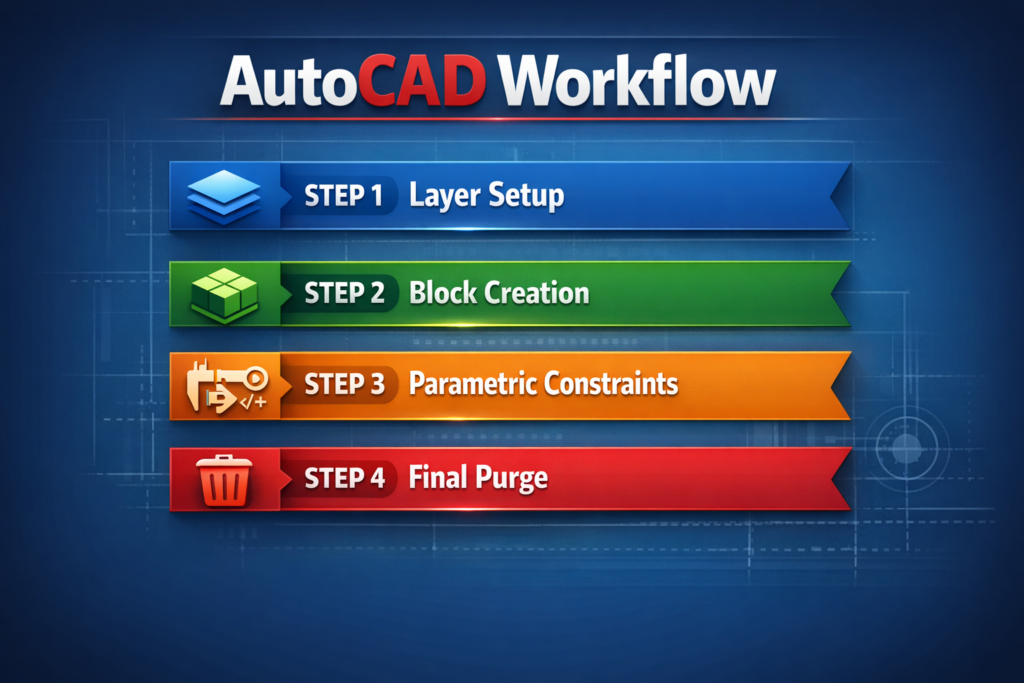
A “spammy” or cluttered workspace—both digital and physical—contributes to mental clutter. Follow these three steps to keep your modeling projects organized:
- Standardized Naming Conventions: Never save a file as Final_Version_2_Real.dwg. Use a date-based system like 2026-03-18_ProjectName_v01.
- The 10-Minute Audit: At the end of every session, spend ten minutes cleaning up your “tree” or “layers.” Delete unused sketches and redundant constraints.
- Physical Ergonomics: 3D modeling requires high mouse precision. Invest in a vertical mouse or a high-quality wrist rest to avoid carpal tunnel syndrome, which is a physical contributor to academic burnout.
Bridging the Gap Between Theory and Practice
One of the biggest reasons students burn out is the “Disconnection Gap.” This happens when you spend weeks on a model but don’t understand the theoretical engineering principles behind it. To stay motivated, try to find “Real-World Anchors.” If you are modeling a bridge, look up local civil engineering projects. Seeing the “why” behind the “how” transforms a tedious assignment into a career-building exercise.
Remember, your degree is a marathon. It is better to submit a project that is 95% perfect and remain healthy than to aim for 100% and end up in a hospital or failing your other classes due to exhaustion. Use your resources wisely, manage your time with software, and know when to delegate smaller tasks to professional services so you can focus on the big picture.
Frequently Asked Questions (FAQ)
1. How many hours a day should I spend on 3D modeling?
Ans: Ideally, no more than 4 hours of “deep work” modeling. After 4 hours, your spatial reasoning begins to decline, and you are more likely to make critical errors that take hours to fix the next day.
2. Is it okay to use professional help for my engineering assignments?
Ans: Yes, many students use professional services as a tutoring tool. Seeing how a complex problem is solved by an expert provides a template that you can use for future self-study.
3. What is the best way to prevent AutoCAD from crashing?
Ans: Always disable “Hardware Acceleration” if you are on a mid-range laptop, and keep your “Purge” command handy to remove unneeded blocks and layers that bloat file size.
4. How do I know if I’m experiencing burnout or just laziness?
Ans: Laziness is a lack of motivation to start. Burnout is a physical and mental inability to continue, even when you want to. If you feel “numb” toward your favorite subjects, it’s time for a 48-hour digital detox.
About The Author: Ruby Walker
I am an academic consultant and lead content strategist at MyAssignmentHelp, where I focus on bridging the gap between complex university curricula and actionable student success strategies.