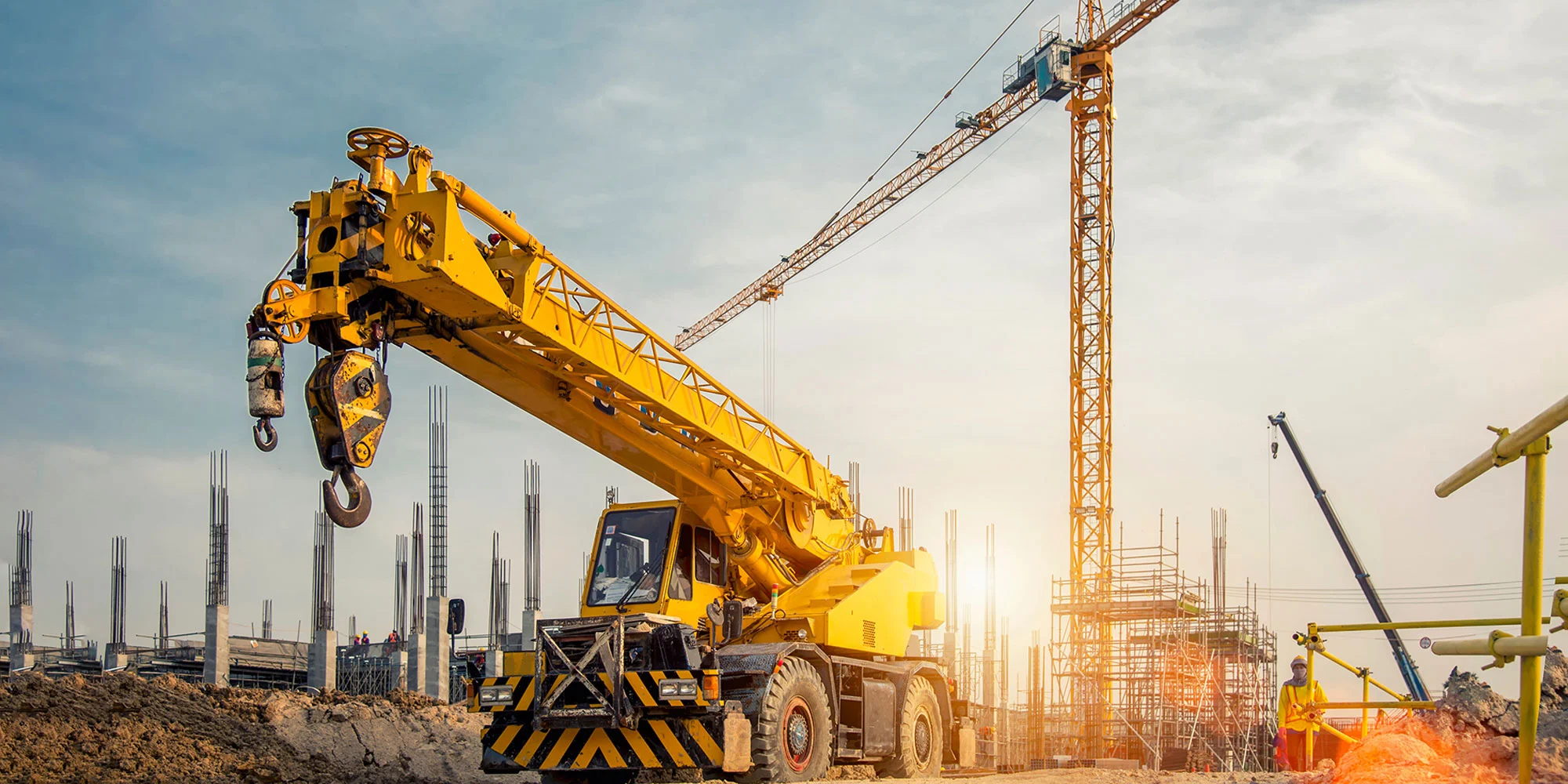
How to Evaluate an Equipment Rental Co Before Signing Any Contract: A Contractor’s Checklist

Most contractors know the frustration of a machine going down mid-project. What is less often discussed is how frequently that situation traces back to a decision made before the job even started — specifically, which rental company was chosen and why. When a piece of equipment fails or arrives in poor condition, the downstream effects are immediate: work stops, crews sit idle, timelines shift, and the cost of the delay often exceeds the cost of the rental itself.
Choosing where to rent equipment is not a procurement formality. It is a risk management decision. The company you select becomes part of your operational chain for the duration of that project, and the quality of their equipment, their responsiveness, and their contract terms will either support your workflow or complicate it. The checklist below is built around that reality. It is designed to help contractors ask the right questions before a contract is signed — not after something goes wrong.
Table of Contents
Understanding What an Equipment Rental Co Actually Provides
At face value, an equipment rental co provides machinery on a temporary basis. But the actual service extends well beyond the transaction itself. A reliable equipment rental co is managing fleet maintenance schedules, monitoring equipment condition between rentals, coordinating delivery and pickup logistics, and standing behind their machines with responsive field support. When any of those functions breaks down, the contractor on-site absorbs the impact.
This is why evaluating a rental company requires looking past the rate sheet. You are assessing an operational relationship, not just a product. A useful starting point is to review how a provider presents and structures their service offerings — what types of equipment they carry, how they describe maintenance standards, and whether their communication reflects operational depth. One example of how rental services can be presented with that level of transparency is visible when reviewing how an equipment rental co structures its service catalog and availability information online.
Before engaging any rental provider, it helps to understand the distinction between companies that treat equipment rental as a core business versus those that offer it as an ancillary service. Core rental providers invest in fleet maintenance, trained technicians, and logistics infrastructure. Companies offering rental as a side operation may not have the same depth of support when something goes wrong on a busy job site.



Fleet Composition and Equipment Condition
The age and condition of a rental fleet is one of the most telling indicators of how a company operates. A well-maintained fleet suggests investment in preventive maintenance, proper inspection protocols between rentals, and a genuine commitment to equipment reliability. An aging fleet without clear maintenance documentation introduces a different set of risks entirely.
When evaluating a provider, it is reasonable to ask directly about the maintenance cycle for any specific machine you plan to rent. A reputable company should be able to speak to that without hesitation. If the response is vague or defensive, that itself is informative. You are not asking for proprietary information — you are asking whether the equipment you will be relying on has been properly serviced.
Delivery and Pickup Reliability
Equipment arriving late to a job site is a real cost. Crews may be on-site and ready, subcontractors may be scheduled around an assumed timeline, and even a few hours of delay can compress the work window for the day. Delivery reliability is a function of the rental company’s internal logistics — their dispatch systems, vehicle availability, and communication protocols.
Ask potential providers how they handle delivery windows and what their process is when a delivery runs behind. A company that has a clear answer — and a defined communication process — is one that has thought through its operations. One that gives a vague assurance without any process behind it is more likely to leave you waiting without notice.
Reviewing Contract Terms Before You Commit
Rental contracts carry more variability than most contractors expect, and many of the clauses that create problems later are buried in standard boilerplate. Damage liability, fuel requirements, hour limits, early return penalties, and late fees are all areas where assumptions can become costly. Reading a contract carefully before signing is not a legal formality — it is a practical step in understanding the full cost and structure of the rental.
As noted by the American Rental Association, the rental industry operates under a relatively standardized set of contractual practices, but individual companies still have latitude in how they define responsibility for equipment condition, wear, and operational damage. Understanding those definitions before the equipment is on your site is the only way to manage that exposure effectively.
Damage Liability and Wear Definitions
One of the most consequential sections of any rental contract is how damage is defined and who bears responsibility for it. The line between normal operational wear and billable damage varies between companies, and in some contracts, that line is drawn in a way that puts the renter at significant financial risk for conditions that could reasonably occur during normal use.
Before signing, ask the provider to walk through their damage policy explicitly. What qualifies as normal wear? What triggers a damage claim? Is there a process for documenting equipment condition at delivery? Getting clear answers to these questions — and ensuring the contract language reflects them — protects you from disputes at the end of a rental period.
Early Return and Extension Policies
Project timelines shift. Equipment may be needed for fewer days than planned, or conditions on-site may extend the need. Both situations have contract implications that vary widely by provider. Some companies charge a flat fee for early returns. Others apply minimum billing periods that make early return financially meaningless. Extension policies can also vary — some providers can accommodate a call-ahead extension easily, while others have limited fleet availability that makes extensions unreliable.
Understanding these terms before the job starts allows you to build them into your planning. If a rental company cannot offer any flexibility on extensions, that is a real constraint worth factoring into your equipment strategy for that project.
Assessing Responsiveness and Field Support
Every contractor has encountered a situation where something unexpected happens with a rented machine — a hydraulic issue, an electrical fault, or a mechanical problem that stops the equipment from functioning as needed. In those moments, the quality of the rental company’s support structure becomes immediately and directly relevant to your ability to keep working.
Field support is not just about having a phone number to call. It is about how quickly that call gets answered, whether the person on the other end has technical knowledge or is only a dispatcher, how long a replacement or repair takes, and whether the company treats the situation as urgent. These are things you cannot fully assess from a website or a rate sheet, but there are ways to get a reasonable sense of them before you commit.
How to Test Responsiveness Before the Job Starts
One practical approach is to contact the rental company with a specific operational question before you sign anything. Ask about a technical specification, a maintenance record, or a delivery window for a particular machine. The speed, clarity, and tone of the response tells you something real about how the company communicates under normal conditions — which is a reasonable proxy for how they will communicate when something is urgent.
You can also ask directly what happens if a machine goes down on-site. How long does it typically take to receive a replacement? Is there a technician available for field service? What is the escalation process? A company that has a practiced, specific answer to these questions has dealt with the situation before and has built a process around it. That is reassuring. A company that gives a vague answer has not thought through what their customers actually need when something goes wrong.
References From Similar Projects
Asking for references from contractors who have worked on projects similar to yours is a reasonable and underused step. Fleet condition, delivery reliability, and field support can all vary depending on the scale and type of work involved. A company that performs well on small, short-duration rentals may not have the logistics infrastructure to support a multi-week, multi-machine deployment at a large commercial site.
When speaking with references, focus less on general satisfaction and more on specific situations where things did not go as planned. How the rental company responded to those situations reveals far more about their operational character than how the job went when everything worked.
Aligning Rental Terms With Project Requirements
One of the more common mistakes contractors make is selecting a rental company based on price without fully accounting for how the rental terms fit the specific structure of the project. A lower daily rate means very little if the contract imposes minimum rental periods that don’t align with your schedule, or if delivery charges significantly increase the effective cost.
Before comparing rates across providers, build a complete picture of what you actually need: the duration, the likely usage intensity, the probability of an extension, the site access constraints that affect delivery, and whether you need on-call support during the rental period. Once those factors are defined, you can evaluate provider proposals against a real set of requirements rather than an abstract cost comparison.
Matching Equipment Availability to Your Timeline
Rental companies with smaller fleets may not be able to guarantee equipment availability for a specific start date, particularly during busy seasons in your region. Confirming availability early — and getting that confirmation in writing as part of the agreement — reduces the risk of arriving at mobilization day to find the machine is not available.
If a provider cannot commit to availability in writing, treat that as a real operational risk. A verbal assurance is not a guarantee, and the cost of a delayed start because of unavailable equipment falls entirely on the contractor.
Closing Considerations Before You Sign
Selecting a rental company is one of those decisions that tends to receive less attention than it deserves during the planning phase of a project. The rate comparison gets done, a provider is chosen, and the focus moves on to other logistics. The problems that follow — late deliveries, poorly maintained machines, disputed damage charges, unavailable support — are predictable, and most of them are avoidable with a structured evaluation process.
The checklist outlined here is not exhaustive, but it covers the categories that most directly affect how a rental relationship performs under real working conditions. Fleet condition and maintenance standards, contract clarity around damage and returns, responsiveness before and during the rental period, and the alignment of rental terms with your actual project timeline are the areas where gaps are most likely to create problems.
Before signing any contract, take the time to have direct conversations with the provider, read the terms carefully, and verify their capacity to support your specific project. A reliable rental relationship is one where the equipment arrives in good condition, the terms are clearly understood by both sides, and the provider is reachable and capable when something unexpected happens. Those outcomes are achievable — but they require due diligence before the paperwork is finalized, not after the machine is already on-site.